
Faith-Based Daily Awareness Post 20 October 2025
Faith-Based Security Headlines
These updates are shared to help raise the situational awareness of Faith-Based organizations to best defend against and mitigate the impacts from all-hazards threats including physical security, cybersecurity, and natural disasters.
Second “No Kings Day” protests the largest single-day political protest ever*, with 5.2-8.2 million participants
On October 18th nationwide protests called No Kings were held across more than 2,600 U.S locations, drawing an estimated 5.2 million participants. In New York City, a coalition of faith leaders from Christian, Jewish, Muslim, Hindu, and Buddhist traditions gathered for an interfaith vigil at Columbus Circle before joining the large Times Square march, framing the demonstration as a moral stand against perceived authoritarianism and a plea for rule of law. Meanwhile in San Antonio, local authorities launched an investigation after a church and other spots on the North Side were defaced with graffiti referencing the “No Kings” movement, tagged messages includes slogans such as “No King but God’ and “Trump Sucks” sparking concerns about the line between protest and vandalism.
Faith groups reject new Trump security grant rules over ICE, DEI
The Federal Nonprofit Security Grants Program (NSGP), overseen by FEMA and DHS, has long funded security upgrades for nonprofit organizations. Earlier this year, DHS introduced new conditions on these grants, stipulating that recipients must cooperate with immigration-enforcement efforts and must not run programs that advance or promote diversity, equity, and inclusion, and must avoid “discriminatory prohibited boycott” activities. These changes have stirred confusion and anger among many faith groups. Dozens of religious organizations especially Jewish congregations and interfaith coalitions, but also other denominations — signed a letter rejecting the new stipulations. They argue the terms impose constraints that may force them to compromise their values or community‐work to access security funding. For example, congregations that support migrants or resist ICE collaboration feel the new rules force a choice between mission and safety. Legally, the changes face challenges: one federal judge recently criticized DHS for effectively requiring states to agree to assist immigration enforcement in order to receive grants, which the court found inconsistent with a prior order. As a result, some faith communities are opting out of applying for the grants altogether and are instead exploring alternative, community-based safety initiatives
Analyst Comments: The frustration among faith groups highlights the operational risk that arises when grant funding conditions change quickly. Many organizations rely on predictable, neutral grant criteria to plan budgets and security investments especially those serving vulnerable populations or high-risk worship spaces. When eligibility terms become unclear or introduce unrelated obligations, it can disrupt continuity in safety planning and cause smaller organizations to withdraw from programs entirely. This situation shows the importance of maintaining alternative funding pathways and community-based protective measures.
National Cybersecurity Awareness Month, 2025
The proclamation emphasizes the Administration’s commitment to strengthening the US cybersecurity to protect citizens’ privacy, defend national sovereignty, and support American innovation. It notes that cyber threats from criminal organizations and foreign adversaries continue to target American individuals, businesses, and critical services causing significant harm. The document highlights recent executive measures aimed at improving resilience, including requirements around secure software development, adoption of updated encryption standards, and a refocus on AI. It also points to efforts by the First Lady in combating online exploitation of children via the bipartisan TAKE IT DOWN Act, underlining that cybersecurity is not just technical infrastructure but also about safeguarding dignity and privacy.
Analyst Comments: This proclamation reinforces the ongoing importance of cybersecurity as a shared national responsibility, not just a government or industry issue. The emphasis on individual vigilance such as using multifactor authentication and maintaining software hygiene aligns with current best practices promoted by CISA and private-sector cyber resilience campaigns. Highlighting the protection of children and privacy also broadens the conversation beyond infrastructure security, connecting cybersecurity to social well-being and personal safety. From an organizational risk management standpoint, the call to adopt secure software practices and modern encryption standards reflects a continued shift toward proactive resilience. Entities across sectors should view this as an opportunity to review their security policies, employee training, and vendor risk controls. Overall, the proclamation supports a culture of shared defense and public-private collaboration, which remains critical as threat actors become more sophisticated and exploit both human and technological vulnerabilities.
More Faith-Based Stories
- Evangelical Trump adviser urges Latino Christians ‘go to church’ amid fears of ICE
- Dozens of windows broken at upstate church, deputies say
- Men leaving Minneapolis Catholic church attacked, robbed by mob
- NJ: Suspects Arrested After Shots Are Fired at Jewish Home on E. 5th Street in Lakewood
- Archdiocese removes Waukegan priest, launches sexual misconduct investigation
- Living River Church Pastor Macario Garcia Arrested on Felony Sexual Assault Charge Involving 17-Year-Old Church Member
- Gateway Church accused of violating RICO in amended class-action lawsuit
- Israel to spend up to $4.1M in bid to bolster support among Christians in western US
- Israel-backed PR campaign targets 38 Arizona churches
- Geofencing the Pews: What Israel’s Digital Ad Campaign Means for U.S. Churches
- Faith & Freedom Coalition disavows role in $4M plan to track, target Christians for pro-Israel digital ads
- France: Grenoble Jewish community targeted with graffiti and death threats
- Theft, vandalism at 15 churches in German diocese
- Armenia arrests bishop, 12 clergymen as feud between church leaders, PM deepens
- Cyber defenders sound the alarm as F5 hack exposes broad risks
- F5 breach fallout – over 266,000 instances exposed to remote attacks
- Federal agency overseeing nuclear stockpile will furlough most of its workforce today
- Tech industry unites behind bipartisan effort to urgently reauthorize US cyber threat information sharing law
- Senators urge new aviation safety proposals informed by fatal collision near DCA
- U.S. says it hit Colombian rebel vessel as Colombia condemns Trump’s accusations against Petro
- China accuses US of cyber breaches at national time center
- Trump urges Ukraine to cede territory to Russia
- Planned Attack by Hamas
- Israel resumes ceasefire in Gaza and says aid deliveries will restart Monday
- Inside America’s next information war
- Amazon’s AWS recovering after major outage disrupts apps, services worldwide
More Security-Focused Content

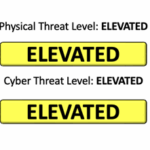
The FB-ISAO’s sponsor Gate 15 publishes a daily newsletter called the SUN. Curated from their open source intelligence collection process, the SUN informs leaders and analysts with the critical news of the day and provides a holistic look at the current global, all-hazards threat environment. Ahead of the daily news cycle, the SUN allows current situational awareness into the topics that will impact your organization.