
Faith-Based Daily Awareness Post 12 December 2025
Faith-Based Security Headlines
These updates are shared to help raise the situational awareness of Faith-Based organizations to best defend against and mitigate the impacts from all-hazards threats including physical security, cybersecurity, and natural disasters.
CA: Roof of Fresno mosque set on fire, suspect wanted for questioning
Early on Wednesday morning in Fresno, California, firefighters responded to a fire on the roof of the Al-Azhar Islamic Academy, part of a mosque property and were able to quickly extinguish the flames before they spread further. Investigators are searching for a man seen on the roof just before the fire was put out, describing him as an adult white male wearing a green jacket and beanie; he fled the scene and has not yet been located. The cause of the fire remains under investigation and authorities are asking anyone with information to contact fire investigators.
Analyst Comments: This incident fits into a long-running pattern in which fires whether accidental, suspicious, or deliberately set may pose a persistent threat to religious facilities. Even when motive is unknown at the outset, the impact on the community is the same: elevated anxiety, operational disruption, and the need for rapid reassurance and communication. Over the past several years, mosques, historically Black churches, and other minority faith institutions have been disproportionately affected by arson attempts or fires occurring under unclear circumstances.
Because these events tend to resurface every few months, regular reminders are important:
- Facilities should maintain updated fire safety plans
- Review nighttime security and surveillance practices
- Ensure roofs, exterior stairwells, and other elevated access points are difficult to reach without detection
- Relationships with local fire investigators and police
Verkada Urges Religious Institutions To Adopt Emergency Plans, Technology
Verkada is urging churches, synagogues, and other faith-based organizations to adopt comprehensive emergency response plans and modern security technologies considering findings from a new survey the company directly produced through a The Harris Poll. The survey offers original-source data on how worshippers perceive safety today: 48% of respondents say they feel less safe attending in-person services due to rising violence, and 39% report already changing their attendance habits because of those concerns.
The data points to pronounced differences across worship environments and demographics. Attendees from larger congregations report significantly higher levels of fear than those worshipping in small or mid-sized settings, reflecting how building complexity, larger crowds, and greater public visibility may heighten vulnerability. The generational divide is equally stark: 55% of Gen Z and 61% of millennials report safety concerns at in-person services, compared with 40% of Gen X and only 25% of Boomers. Verkada highlights these findings as evidence that institutions should formalize and regularly rehearse emergency plans and consider layered protective tools—from trained safety volunteers to controlled entry points and real-time detection technologies—to meet evolving community expectations.
Analyst Comments: Because Verkada produced this survey itself, the results represent original data that directly reflects the concerns of today’s worshippers rather than secondhand interpretations. The numbers clearly show that safety worries are now widespread enough to influence behavior: almost half of all respondents feel less safe, and nearly four in ten have already changed how often they attend. These trends have practical implications for faith leaders who depend on consistent attendance and community engagement.
The most consequential pieces of the dataset are the congregation-size gap and the generational split. The heightened unease reported by attendees at large houses of worship underscores how scale changes the security equation larger buildings mean more entrance points, more spaces to secure, and more complicated communication during emergencies. This suggests that big congregations may need stronger crowd management plans, tighter access control, and more visible layers of protection to reassure members.
Meanwhile, the generational data shows that younger worshippers are significantly more anxious and place far greater trust in technology-driven safety measures. Older congregants, who reported much lower levels of concern, may feel comfortable with familiar routines and personal relationships but might not instinctively look for digital safeguards. For institutions trying to serve multigenerational communities, this split matters: communication strategies, safety training, and investment decisions should reflect the expectations of both groups.
10 Actions Jewish Communities Should Take to Protect Themselves in 2026
The Secure Community Network (SCN) released a set of 10 key actions Jewish institutions should take in 2026 to strengthen safety while keeping community spaces open and welcoming. SCN urges facilities such as synagogues, schools, community centers, and senior programs to form security committees, conduct thorough risk assessments, and coordinate closely with Jewish security professionals and law enforcement.
Recommendations include:
- Developing comprehensive physical security plans.
- Improving perimeter and access control.
- Ensuring regular training for staff, volunteers, and congregants.
SCN also highlights the importance of planning for high-risk events, staying updated on threat information, regularly reviewing and practicing safety procedures, and maintaining essential medical equipment like AEDs and Stop the Bleed kits.
Analyst Comments: SCN’s guidance reflects a growing shift toward proactive, community-driven security measures, which is an approach that houses of worship (HOWs) across all faith traditions have increasingly adopted in recent years. The emphasis on forming a dedicated security committee and designating a point person is particularly important; without clear ownership, security initiatives often stall. The focus on risk assessments and coordination with law enforcement highlights how situational awareness and pre-incident planning remain the most effective tools for reducing vulnerability. SCN’s inclusion of access control and perimeter security acknowledges the trend of disruptions, protests, and unauthorized entry attempts targeting religious institutions. Their repeated emphasis on training is notable with consistent drills and refreshers to help prevent complacency and ensure that community members understand their roles in an emergency. Finally, the reminder to maintain medical supplies speaks to an all-hazards approach: preparedness isn’t just about threats, but also about the ability to respond quickly to any incident.
More Faith-Based Stories
- MT: Concerns addressed in Billings amid social media threat against Harvest Church students
- FL: Florida teens set fire to American flag, church sign in series of arsons, police say
- CT: Suspect Accused Of Painting Antisemitic Vandalism In Westport: Police
- IL: UPDATE: South Peoria church destroyed by Thursday morning fire
- TN: Steeple collapses amid fire at East Nashville church
- Baptist News: Groypers: An emerging threat to religious liberty
- Religious Liberty Commission Hosts Fourth Hearing on Religious Liberty in the Military
- Worldwide Threats to the Homeland
- Trump administration issues national AI policy framework to preempt patchwork state rules
- Warnings Mount in Congress Over Expanded US Wiretap Powers
- Stolen funds for the holidays: Spot this military bank scam
- Global ransomware study warns public sector and high-exposure organizations remain prime targets
- NWS and local media warn of heavy rain, flooding, and snow across Appalachians and Mid-Atlantic
- NOAA/NHC issues updated seasonal reports for Eastern & Central Pacific tropical cyclones
More Security-Focused Content

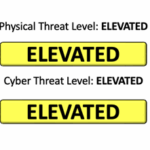

The FB-ISAO’s sponsor Gate 15 publishes a daily newsletter called the SUN. Curated from their open source intelligence collection process, the SUN informs leaders and analysts with the critical news of the day and provides a holistic look at the current global, all-hazards threat environment. Ahead of the daily news cycle, the SUN allows current situational awareness into the topics that will impact your organization.