
Faith-Based Daily Awareness Post 23 January 2026
Faith-Based Security Headlines
These updates are shared to help raise the situational awareness of Faith-Based organizations to best defend against and mitigate the impacts from all-hazards threats including physical security, cybersecurity, and natural disasters.
Church preparedness crucial with upcoming freeze
Across a large portion of the United States, forecasters are warning of a dangerous winter storm and extreme cold outbreak extending from the South and Plains through the Midwest and up to the Northeast from January 23–26, 2026. The system is expected to bring a mix of heavy snow, freezing rain, sleet, and extended periods of sub-freezing temperatures, creating widespread hazards including treacherous travel, significant ice and snow accumulations, power outages, and risks to infrastructure and public safety. Millions of people could be affected as winter weather advisories, watches, and warnings span more than two-thirds of the country, with extreme cold and hazardous travel expected to persist even after the storm system moves through. In addition to dangerous road conditions, significant lifeline sector impacts are possible particularly power outages caused by ice accumulation, heavy snow, and high winds damaging lines and substations. Prolonged outages could cascade into disruptions to heating, water systems, communications, and emergency services, increasing risks for vulnerable populations as below-freezing temperatures linger.
Analyst Comments: As a widespread winter storm and extreme cold threaten large portions of the U.S., houses of worship should consider approaching preparedness with both life safety and continuity of service in mind. Unlike many facilities, churches, synagogues, mosques, and temples may remain open during severe weather to provide shelter, warming centers, or community assistance, increasing their exposure to risk. Leaders should proactively assess building vulnerabilities such as heating reliability, pipe insulation, roof load capacity, and backup power and ensure clear protocols are in place for delayed services, closures, or emergency operations. Internal communication plans should be tested so staff, volunteers, and congregants receive timely updates, while coordination with local emergency management and community partners can help align outreach efforts safely. Reviewing insurance coverage, documenting mitigation steps, and balancing mission-driven response with realistic operational limits are critical to protecting both people and property. Proactive winter preparedness not only reduces damage and disruption but also strengthens trust and resilience within faith communities during periods of extreme weather.
Resources:
- Winter Storm Safety: Learn how to stay safe during a blizzard and how to prevent or thaw frozen pipes
- Prepare! Don’t Let a Winter Storm Take You by Surprise
- Be Prepared for a Winter Storm
- Extreme Weather
Related articles:
- Dangerous winter storm, extreme cold on the way for large portion of U.S.
- Winter storm threatens electric utilities with widespread outages
- FEMA halts terminations of hundreds of disaster workers amid winter storm
‘Attack on religious community’: Hindu temple vandalized in US, community demands hate crime probe
A Hindu temple in Cary, North Carolina, was vandalized on January 18, 2026, when a guardian statue (also known as Dvārapālaka) at the Sri Venkateswara Temple was damaged, prompting local authorities to be notified and the incident documented. The temple is cooperating with the Cary Police Department, which is reviewing surveillance footage and searching for suspects. The Hindu American Foundation (HAF) and other Hindu advocacy groups condemned the act, urging that it be treated as a hate crime rather than ordinary vandalism and warning that minimizing such incidents could encourage further attacks. Temple leaders have reassured the community that the sanctuary’s spiritual sanctity remains intact, with repairs and appropriate rituals underway according to tradition. HAF noted a broader pattern of similar incidents at Hindu temples across North America in recent years, with some being investigated by the FBI and local law enforcement as potential hate crimes.
Analyst Comments: The calls from advocacy groups to classify the vandalism as a hate crime reflect a broader concern over rising incidents targeting minority religious sites in the U.S., where symbolic acts of property damage carry community-wide implications. Consistent documentation and classification of patterns regarding incidents targeting minority faiths, rather than isolated responses to individual events, could help authorities and community leaders identify underlying motives and possibly deter future incidents through targeted prevention strategies.
Building an Intelligence Team for Your House of Worship
When: February 4, 2026, 12:00 PM ET.
Register here.
This session is part of an FB-ISAO–led program, developed and delivered by our team to support faith-based organizations in building stronger threat awareness and intelligence capabilities.
The Mission and Purpose of an Intelligence Team and Program session will explore key questions such as:
- What is the local threat to my house of worship?
- Which threat actors or adversaries might support, plan, or carry out a malicious act in my area?
During the session, FB-ISAO panelists will discuss how broader contextual information—including global developments—can be used to better assess and understand local risks facing houses of worship. The discussion will focus on helping faith-based organizations determine:
- What information they need,
- Where to find that information, and
- How to process it in a meaningful, useful, and actionable way.
This session is open to the public, and we encourage participants to share it with peers and partners to help strengthen collective awareness and resilience across the faith-based community.
More Faith-Based Stories
- Minnesota businesses protest ICE after arrests at church
- Situation Update: Growing Risk of Protest Disruptions During Church Services
- Massive blaze destroys suburban Chicago church
- Vile antisemites repeatedly scrawl swastikas across playground in heavily Jewish NYC neighborhood
- CAIR Says New Report is Further Evidence that Disinformation Drives Anti-Muslim Extremism
- Immigration officers assert sweeping power to enter homes without a judge’s warrant, memo says
- DOJ: Oklahoma Man Charged with Threatening on YouTube to Kill Federal Agents and Others
- CISA Official Warns Congress About Cyber Workforce and Staffing Gaps
- New bill prolonging cyber programs, funding CISA unveiled
- Minneapolis businesses plan one-day shutdown over ICE operations
- (TLP:CLEAR) FEMA’s Prep Toolkit Offers Emergency Managers and Infrastructure Operators Preparedness and Resilience Resources
More Security-Focused Content

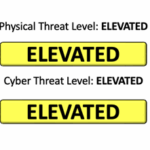
The FB-ISAO’s sponsor Gate 15 publishes a daily newsletter called the SUN. Curated from their open source intelligence collection process, the SUN informs leaders and analysts with the critical news of the day and provides a holistic look at the current global, all-hazards threat environment. Ahead of the daily news cycle, the SUN allows current situational awareness into the topics that will impact your organization.