
Faith-Based Daily Awareness Post 27 January 2026
Faith-Based Security Headlines
These updates are shared to help raise the situational awareness of Faith-Based organizations to best defend against and mitigate the impacts from all-hazards threats including physical security, cybersecurity, and natural disasters.
Winter storm and brutal cold leave at least 20 people dead and prolonged power outages
A massive winter storm impacting much of the United States from January 25-26 brought heavy snow, widespread ice, and dangerously cold temperatures, leaving at least 20-30 people dead and causing prolonged power outages affecting more than one million customers at peak, particularly across Mississippi, Tennessee, and parts of the Northeast, where snowfall exceeded a foot in some areas. Fatalities were attributed to exposure, vehicle crashes, and other storm-related incidents, while ice accumulation downed trees and power lines, cutting electricity and heat for hundreds of thousands of households with utilities warning that restoration could take up to a week in some areas. Emergency actions included the opening of warming centers, issuance of cold-weather alerts, and widespread travel disruptions, including flight cancellations, as forecasters warned that lingering extreme cold would continue to exacerbate risks and slow recovery efforts.
Analyst Comments: This event highlights how multi-hazard winter systems, combining snow, ice, and sustained cold can strain infrastructure and emergency response simultaneously, particularly in regions that may experience severe winter weather less frequently. While power failures themselves are a consequence of the storm, the activation of warming centers, emergency declarations, and public safety messaging reflects a true emergency response aimed at preventing secondary loss of life from exposure and hypothermia. For faith-based organizations, prolonged outages and cold weather frequently shift houses of worship into de factor community support roles. Congregations may be asked or feel called to provide warming space, distribute supplies, check on vulnerable members, or communicate reliable information during outages. This underscores the importance of preparedness planning, coordination with local emergency management, and realistic assessments of building resilience, staffing, and liability before severe weather strikes.
Prepared to Welcome: Why Congregational Security Is a Ministry of Care
The Grand Canyon Synod’s “Prepared to Welcome: Why Congregational Security Is a Ministry of Care” blog post emphasizes that security planning in congregations isn’t about fear, but about caring for people so worship and ministry can take place safely. It frames thoughtful preparedness as an extension of the church’s mission to welcome all, including children, elders, staff, and visitors, and to steward buildings entrusted to the community while maintaining hospitality rooted in Christian care and wisdom.
Analyst Comments: The attached consolidated security resource page may be useful to congregations because it brings planning guidance, training considerations, and preparedness resources into a single, accessible location, reducing the barrier to getting started on basic safety efforts. For faith-based organizations with limited staff or volunteer capacity, having vetted materials centralized can help support more consistent and context-appropriate security planning without requiring congregations to build programs from scratch.
Building an Intelligence Team for Your House of Worship
When: February 4, 2026, 12:00 PM ET.
Register here.
This session is part of an FB-ISAO–led program, developed and delivered by our team to support faith-based organizations in building stronger threat awareness and intelligence capabilities.
The Mission and Purpose of an Intelligence Team and Program session will explore key questions such as:
- What is the local threat to my house of worship?
- Which threat actors or adversaries might support, plan, or carry out a malicious act in my area?
During the session, FB-ISAO panelists will discuss how broader contextual information—including global developments—can be used to better assess and understand local risks facing houses of worship. The discussion will focus on helping faith-based organizations determine:
- What information they need,
- Where to find that information, and
- How to process it in a meaningful, useful, and actionable way.
This session is open to the public, and we encourage participants to share it with peers and partners to help strengthen collective awareness and resilience across the faith-based community.
More Faith-Based Stories
- US pastors stand against federal crackdown
- First Amendment doesn’t protect protests that disrupt church services, civil liberties org. says
- Downtown church broken into, man steals copper, security camera
- Knifed for ‘being a Christian’? Suspect allegedly stabs man and his dog after asking about victim’s religion
- Usher at Catholic church arrested on child sexual abuse material charges
- Presidential Message on International Holocaust Remembrance Day
- Woman accused of breaking in, setting fire to local Republican headquarters arrested
- The federal government ignored a cybersecurity warning for 13 years. Now hackers are exploiting the gap.
- Minnesota killing produces backlash against Trump administration from Second Amendment advocates
- Enhancing critical infrastructure through ammonia port preparedness and emergency response
- Beyond MFA: Building true resilience against identity-based attacks
- Grid Protection in Severe Weather: What Security Leaders Need to Know
More Security-Focused Content

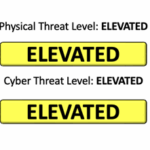
The FB-ISAO’s sponsor Gate 15 publishes a daily newsletter called the SUN. Curated from their open source intelligence collection process, the SUN informs leaders and analysts with the critical news of the day and provides a holistic look at the current global, all-hazards threat environment. Ahead of the daily news cycle, the SUN allows current situational awareness into the topics that will impact your organization.