
Faith-Based Daily Awareness Post 30 January 2026
Faith-Based Security Headlines
These updates are shared to help raise the situational awareness of Faith-Based organizations to best defend against and mitigate the impacts from all-hazards threats including physical security, cybersecurity, and natural disasters.
Armed Church Security Volunteers in Utah
The article “Armed Church Security Volunteers in Utah” from Kearnan Consulting explains how Utah’s legal framework allows houses of worship to authorize armed volunteer security teams under current state firearm and liability laws. Utah has broad firearm preemption and permits less carry statutes, meaning that adults who can legally possess a gun may generally carry in public unless specifically restricted. Houses of worship (HOWs) that want to prohibit firearms must give valid statutory notice but may also create legal exceptions for designated armed security volunteers. The article emphasizes that, while volunteers may receive legal immunity when acting in good faith, HOWs remain liable for negligent selection, training, supervision, and documentation of those volunteers. To mitigate risks, the piece outlines best practices such as written policies, robust training beyond minimum legal requirements, clear roles, insurance alignment, and thorough documentation to demonstrate standard of care and lower liability exposure.
Analyst Comments: The article provides a clear legal framework for HOWs considering armed volunteer security in Utah, but underscores that legality does not eliminate organizational risk. Its focus on policies, training, and documentation reinforces that armed volunteers should be viewed as a serious operational responsibility rather than a simple deterrent. Faith-based organizations must carefully balance security measures with liability, preparedness, and their broader mission when evaluating whether armed volunteers are appropriate.
Ranking AI-Powered Chrome Extensions by Privacy Risk in 2025
The Incogni article “Ranking AI-Powered Chrome Extensions by Privacy Risk in 2025” examines 238 popular AI-powered Chrome browser extensions (each with at least 1,000 users) to assess the privacy risks they pose based on the permissions they request and the types of data they collect. Incogni’s analysis finds that two-thirds of these extensions collect user data and 41% collect personally identifiable information (PII) that could include names, emails, or other sensitive details. Many extensions require permissions that could expose browsing activity or sensitive content, and categories like programming assistants and general personal assistants typically represent the highest privacy risk. Among well-known extensions, tools like DeepL, Grammarly, and Sider rank among the most privacy invasive. In contrast, categories such as audiovisual generators tend to be less risky. The study highlights that even extensions available through Google’s Web Store can pose significant privacy concerns, especially if they are compromised or misused by their developers.
Analyst Comments: AI-powered tools, including browser extensions, are becoming commonplace for routine tasks like writing, searching, or content summarization—but they can quietly collect sensitive data without users fully realizing it. For faith-based organizations and communities, this is particularly relevant when volunteers, staff, or congregants use such extensions on devices that access confidential communications, member information, or internal documents. Even tools that seem helpful can create unintended privacy exposures if they collect PII or track browsing habits of church leaders, donors, or individuals seeking support. Faith-based groups should approach these technologies with the same caution they apply to other digital tools: evaluate permissions carefully, limit installations to trusted, privacy-minimal extensions, and ensure that data-handling practices align with their organizational values and the privacy expectations of their communities.
Building an Intelligence Team for Your House of Worship
When: February 4, 2026, 12:00 PM ET.
Register here.
This session is part of an FB-ISAO–led program, developed and delivered by our team to support faith-based organizations in building stronger threat awareness and intelligence capabilities.
The Mission and Purpose of an Intelligence Team and Program session will explore key questions such as:
- What is the local threat to my house of worship?
- Which threat actors or adversaries might support, plan, or carry out a malicious act in my area?
During the session, FB-ISAO panelists will discuss how broader contextual information—including global developments—can be used to better assess and understand local risks facing houses of worship. The discussion will focus on helping faith-based organizations determine:
- What information they need,
- Where to find that information, and
- How to process it in a meaningful, useful, and actionable way.
More Faith-Based Stories
- Dozens of faith leaders arrested in Washington protest Trump immigration policies
- MS: At least three vehicles burglarized at Sacred Heart Catholic Church near Camden, sheriff says
- KY: Church in St. Denis severely damaged by fire; cause under investigation
- CA: Historic West LA church vandalized for third time in 2 months
- CA: Armed Church Security Volunteers in Utah
- AL: Armed Church Security Volunteers in Utah
- Fatal shooting at Northrop Grumman facility near BWI, suspect in custody
- Operation Winter SHIELD: FBI Issues Call to Arms for Organizations to Improve Cybersecurity
- Odds of US government shutdown rise after funding deal stalls in Senate
- Two Kansans indicted for making threats against federal officials in separate, unrelated incidents
- Incident Response Tabletop Exercise Checklist
- Measles outbreaks enlarge; Nebraska logs its first case of year
More Security-Focused Content

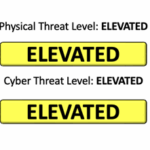
The FB-ISAO’s sponsor Gate 15 publishes a daily newsletter called the SUN. Curated from their open source intelligence collection process, the SUN informs leaders and analysts with the critical news of the day and provides a holistic look at the current global, all-hazards threat environment. Ahead of the daily news cycle, the SUN allows current situational awareness into the topics that will impact your organization.