
Faith-Based Daily Awareness Post 13 February 2026
Faith-Based Security Headlines
These updates are shared to help raise the situational awareness of Faith-Based organizations to best defend against and mitigate the impacts from all-hazards threats including physical security, cybersecurity, and natural disasters.
As a reminder there will be no DAP on Monday February 16th in leu of President’s Day. The DAP will continue Tuesday, February 17th.
3 Springfield houses of worship receive bomb threats
Three houses of worship in Springfield, Ohio (St. John Missionary Baptist Church, Christ Episcopal Church, and Temple Sholom) received emailed bomb threats, prompting law enforcement to clear the buildings, though officials ultimately found no credible danger. The threats were part of a broader three-day series targeting public offices, schools, and other institutions across the city. Earlier messages referenced pipe bombs and included anti-Haitian language, leading to road closures, school dismissals, and repeated law-enforcement sweeps of facilities. Authorities believe the messages may have originated overseas, like a wave of threats in 2024. The Ohio Department of Public Safety deployed mobile surveillance towers in response. The incidents come amid local tensions connected to immigration debates and community advocacy related to Haitian Temporary Protected Status.
Analyst Comments: This incident is a threat campaign aimed less at immediate violence and more at disruption, fear generation, and social polarization. The targeting sequence government offices, followed by schools, and then religious institutions suggests a deliberate effort to maximize community-wide disruption, rather than signaling a grievance against any single organization. The use of email, overseas origin indicators, and recurring waves mirrors previous hoax-bomb campaigns that exploit emergency response protocols to force closures and strain public safety resources.
Notably, the overlap with immigration tensions indicates the threats function as information-environment pressure as much as physical-security risk; even unsubstantiated threats create operational consequences and psychological effects on congregations. For faith organizations, the takeaway is about continuity planning, communication coordination with law enforcement, and preparedness for repeated hoax threats that still produce real disruptions.
Resources:
Religious Liberty Commission Hosts Fifth Hearing on Anti-Semitism and Religious Liberty in Private Institutions
The U.S. Department of Justice announced that the Religious Liberty Commission held its fifth hearing focused on antisemitism and religious liberty issues in private-sector and employment contexts. Testimony came from Jewish leaders, students, educators, clergy, civil-rights officials, and individuals who experienced religious discrimination, including workplace retaliation and campus exclusion following the October 7, 2023, attacks in Israel. The hearing examined ideologies driving antisemitism, documented incidents ranging from harassment and segregation on campuses to violence targeting houses of worship and reviewed legal responses such as civil rights enforcement and FACE Act actions. The Commission’s broader goal is to identify current threats and develop strategies to preserve religious liberty protections for the future.
Analyst Comments: The hearing underscores that religious-liberty risk is no longer limited to vandalism or isolated hate incidents; it increasingly intersects with employment practices, partnerships, facility use, and public programming. Faith organizations may find themselves navigating complaints from staff, volunteers, vendors, or community groups tied to belief-based policies, while also facing heightened external scrutiny during social or geopolitical tensions. The practical implication is governance: written facility-use policies, employment accommodation procedures, documentation of incident response, and coordination with counsel before disputes escalate into civil rights claims. In other words, protecting congregants now includes protecting institutional decision-making, because many modern threats to ministries materialize first as legal or administrative conflicts long before they appear as physical safety concerns.
More Faith-Based Stories
- FL: Broward County Fire Officials Investigating Fire at a Davie Buddhist Temple
- Former Music Minister Charged with Felony Embezzlement
- Mississippi Man Indicted for Arson of Beth Israel Synagogue and the Goldring/Woldenberg Institute of Southern Jewish Life
- MD: Hate symbols spray painted outside Georgia Avenue synagogue
- NY: Harlem Church Desecrated in Vandalism Incident, NYPD Says
- Jews Against ICE Rally Draws Hundreds of Jewish Clergy, Congregants and Advocacy Groups
- Minnesota FACE Off: A Deep Dive Into the St. Paul Church Protest Case
- FEMA Blog: Voluntary, Faith-based and Non-Governmental Organizations Help Communities After Severe Winter Weather
- Cyber Incident Reporting for Critical Infrastructure Act (CIRCIA) Rulemaking; Town Hall Meetings
- Congress barrels toward Homeland Security shutdown without off-ramp in sight
- What a Department of Homeland Security shutdown would mean for airports, disaster relief and cybersecurity
- Trump administration set to revoke basis for US climate regulation
- Storm set to pummel L.A. with heavy rains, flooding, beach hazards
More Security-Focused Content

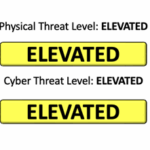
The FB-ISAO’s sponsor Gate 15 publishes a daily newsletter called the SUN. Curated from their open source intelligence collection process, the SUN informs leaders and analysts with the critical news of the day and provides a holistic look at the current global, all-hazards threat environment. Ahead of the daily news cycle, the SUN allows current situational awareness into the topics that will impact your organization.