
Faith-Based Daily Awareness Post 3 March 2026
Faith-Based Security Headlines
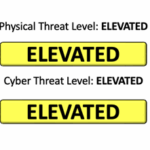
These updates are shared to help raise the situational awareness of Faith-Based organizations to best defend against and mitigate the impacts from all-hazards threats including physical security, cybersecurity, and natural disasters.
Incidents, Threats, and Attacks Against Houses of Worship in The Past 12 Months
According to a recent report from Kearnan Consulting Group, incidents targeting houses of worship in the past 12 months remain significantly elevated compared to pre-2018 levels. The report documents hundreds of hostile acts in 2024 and early 2026, most commonly vandalism and arson, along with bomb threats, armed aggression, and several deadly shootings. While total incidents dipped slightly from a 2023 peak, the overall threat environment remains heightened, with motivations ranging from anti-religious bias and political extremism to mental health factors. The report emphasizes the importance of proactive security planning and coordination with law enforcement to deter and mitigate future attacks.
Analyst Comments: A comparison of the Kearnan Consulting Group findings with 2024 data from the Faith-Based Information Sharing and Analysis Organization (FB-ISAO) reinforces several consistent patterns in the current threat environment. While overall incident totals fluctuated year over year, both datasets show that vandalism, arson, and other property crimes remain the most frequent forms of hostility, with many incidents occurring on church grounds or exterior areas rather than during services. At the same time, FB-ISAO reporting noted an increase in incidents involving casualties, indicating that, although less frequent, high-impact violent events continue to pose significant risk. Both sources also highlight the persistence of bomb threats and electronically delivered threats, underscoring the blended physical-digital nature of today’s threat landscape. These patterns collectively point to the importance of sustained preparedness, community awareness, and layered security measures, as core components of proactive security planning tailored to the evolving risk profile facing houses of worship.
Skills and Roles of the Intelligence Analyst
When: March 4th 12:00 E.T.
The third session of the Building an Intelligence Team Series. The roles and skill sets needed to be effective, whether you have a team or an army of one, and the organizational structure and workflow.
About the series. “Intelligence” often conjures images of secret agents working in the shadows to protect national security. Intelligence isn’t just for government agents, with a little guidance, anyone can do it! Intelligence involves a systematic process of collecting, analyzing, and using information to anticipate, detect, and prevent threats before they cause harm. This process helps decision makers weigh alternatives and make threat-informed, fact-based choices via enhanced situational awareness. By leveraging intelligence, houses of worship can enhance their overall safety and security, ensuring their spaces remain welcoming sanctuaries for worship – yet prepared for potential incidents.
Throughout the first half of 2026, FB-ISAO will host a six-session discussion series for members on how faith-based organizations can build and operate their own intelligence group.
More Faith-Based Stories
- Iran War:
- Resources and Support for U.S. Citizens Overseas
- Cyber threat bulletin: Iranian cyber threat response to US–Israel strikes February 2026,
- Amazon: Drone strikes damaged AWS data centers in Middle East
- 74 Times President Trump Has Made Clear That Iran Cannot Have a Nuclear Weapon
- Fears of Iranian Sleeper Cell Retaliation Grow in the West as Middle East War Escalates
- Texas governor warns of Iranian sleeper cells after US strikes
- Joint Statement: SCN and Partners Urge Precautions Following U.S. and Israeli Strikes on Iran
- Alert: NCSC advises UK organizations to take action following conflict in the Middle East
- Ongoing Iran Conflict: What You Need to Know
- How deepfakes and injection attacks are breaking identity verification
- How CISOs can build a resilient workforce
- Vulnerability scanning vs penetration testing
- Severe storms to rumble over central US from Wednesday through the weekend
More Security-Focused Content

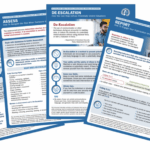

The FB-ISAO’s sponsor Gate 15 publishes a daily newsletter called the SUN. Curated from their open source intelligence collection process, the SUN informs leaders and analysts with the critical news of the day and provides a holistic look at the current global, all-hazards threat environment. Ahead of the daily news cycle, the SUN allows current situational awareness into the topics that will impact your organization.