
Faith-Based Daily Awareness Post 27 April 2026
Faith-Based Security Headlines
These updates are shared to help raise the situational awareness of Faith-Based organizations to best defend against and mitigate the impacts from all-hazards threats including physical security, cybersecurity, and natural disasters.
Medical Emergencies In Church
The article Medical Emergencies in Church, by Public Safety Training LLC, states that medical emergencies are the most common type of crisis churches will face more and can include incidents like heart attacks, choking, fainting, or other health-related events among congregants of all ages. Because these situations are inevitable, churches are encouraged to treat medical preparedness as a core part of their safety ministry by ensuring teams are trained in CPR, AED use, first aid, and symptom recognition for conditions like strokes or diabetic episodes. It emphasizes the importance of preparation through accessible equipment (like AEDs and medical kits), clear communication protocols, and defined roles during emergencies, as well as regular drills to practice response. The article also highlights the value of identifying medical professionals within the congregation and integrating them into response planning. Ultimately, it frames medical response not just as a procedural responsibility but as a compassionate and spiritual duty, stressing that quick, calm, and well-trained action in the first critical minutes can save lives and reflect care for others.
Analyst Comments: The article reinforces a key, but often underappreciated, reality in church security planning: the most likely emergency is also the one many organizations are least formally prepared for. While attention from security teams frequently focuses on active threats, such as shootings, medical incidents present a far higher probability risk, making them a critical area for investment and training. The blog’s guidance highlights a practical opportunity for churches to shift from reactive to proactive readiness by formalizing medical response protocols, ensuring equipment accessibility, and leveraging existing expertise within their congregations. From an operational standpoint, success in these scenarios depends less on advanced resources and more on speed, coordination, and clarity of roles in the first few minutes. The emphasis on drills and defined responsibilities aligns with broader emergency management best practices, suggesting that even low-cost preparedness measures can significantly improve outcomes. Framing medical response as both a safety and ministry function may also increase buy-in, helping leadership prioritize these efforts as essential rather than optional.
Over 60% of churchgoers worried about AI’s influence on Christianity, survey shows
A recent Lifeway Research survey found that a majority of U.S. Protestant churchgoers (61%) are concerned about artificial intelligence’s influence on Christianity, with Evangelicals expressing higher levels of concern than non-Evangelicals. Opinions are sharply divided on whether pastors should use AI in sermon preparation, with 44% supportive, 43% opposed, and 13% undecided, reflecting broader uncertainty about the technology’s role in faith settings. While younger churchgoers are generally more open to both AI use and sermons addressing AI through a biblical lens, older attendees are more skeptical. Among pastors, adoption remains limited and varied: only 10% are regular users, about one-third are experimenting, and others are hesitant, avoiding, or ignoring the technology altogether. Concerns among clergy are widespread and include the risk of errors, unreliable sourcing, embedded bias, lack of transparency, and theological questions about relying on non-human tools for spiritual guidance. Overall, the findings highlight a cautious and divided landscape as churches navigate the integration of AI into ministry.
Analyst Comments: The survey underscores a broader trend of cautious adoption when emerging technologies intersect with deeply held beliefs and institutional trust. While concern about AI’s influence on Christianity is not unexpected, the near-even split on its use in sermon preparation signals a more nuanced reality. Many churchgoers and pastors appear less opposed to AI itself and more concerned with how it is used, particularly around topics of authenticity, transparency, and theological integrity.
From a risk and governance perspective, this suggests an opportunity for churches to proactively establish guidelines that define appropriate use, require disclosure, and maintain human oversight in spiritual leadership. The generational divide is also notable, indicating that future acceptance of AI in ministry may grow.
More Faith-Based Stories
- TX: 16-year-old accused in Houston synagogue plot to remain in custody, attorney says
- CAIR-NY Calls for Hate Crime Probe into Assault on Muslim Woman Near LIU Brooklyn
- Maniac in Iranian flag T-shirt pummels three Jewish men in NYC hate crime: sources
- Police investigating suspected hate-motivated assault at Toronto-area synagogue
- J. church evacuated after bomb threat determined to be a hoax, cops say
- CO: Car crashes into second story of church in Security-Widefield, injures 2
- TX: Gateway Church in Prosper evacuated following security threat
- Outrage after man dressed as Hitler, standing on Israeli flag, salutes Boston Marathon runners
- Tom Suozzi introduces federal buffer zone bill protecting synagogues, religious institutions
- TX: Austin synagogue vandalized with antisemitic graffiti
- AK: FBI investigating antisemitic graffiti at Hot Springs synagogue
- MI: What’s sparking Metro Detroit’s rise in antisemitism?
- Wales: Bangor church ‘evacuated’ mid-service as firefighters attend blaze in building
More Security-Focused Content

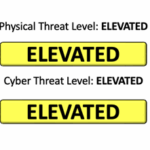
The FB-ISAO’s sponsor Gate 15 publishes a daily newsletter called the SUN. Curated from their open source intelligence collection process, the SUN informs leaders and analysts with the critical news of the day and provides a holistic look at the current global, all-hazards threat environment. Ahead of the daily news cycle, the SUN allows current situational awareness into the topics that will impact your organization.