
Faith-Based Daily Awareness Post 11 May 2026
Faith-Based Security Headlines
These updates are shared to help raise the situational awareness of Faith-Based organizations to best defend against and mitigate the impacts from all-hazards threats including physical security, cybersecurity, and natural disasters.
CAM Weekly Antisemitism Report – NYPD data showed Jews were the victims of 60% of all hate crimes
A recent Global Antisemitism Report by the Combat Antisemitism Movement highlighted 164 antisemitic incidents tracked worldwide in a single week, with ideological breakdowns showing 54% linked to far-left motivations, followed by Islamist-inspired, far-right, and unattributable cases. The report notes that many incidents involved anti-Israel or anti-Zionist rhetoric, classical antisemitism, Holocaust distortion, and extremist messaging. High-profile examples included protests in New York City where demonstrators allegedly promoted antisemitic slogans, expressed support for terrorist organizations, and attempted to block access to a synagogue event in Manhattan, including the display of a Hezbollah flag.
The report also cites a broader rise in antisemitic activity across multiple countries, including vandalism of Jewish sites in the United States, targeting of Jewish pedestrians in Canada, and antisemitic rhetoric from political candidates in the United Kingdom. It further references NYPD data indicating that Jewish residents were the victims of 60% of hate crimes in New York City during the first part of 2026, underscoring the disproportionate impact on Jewish communities. Additional concerns include antisemitic statements linked to university settings and the emergence of AI-generated content spreading antisemitic tropes on social media platforms.
Overall, the analysis portrays a sustained and multi-regional increase in antisemitic incidents driven by a mix of ideological extremism, online amplification, and real-world demonstrations. It highlights growing concerns among Jewish communities about safety, normalization of antisemitic rhetoric, and the need for stronger monitoring, enforcement, and counter-extremism efforts across both physical and digital spaces.
Analyst Comments: The report reflects a sustained and increasingly complex antisemitism threat environment driven by multiple ideological streams, including far-left, Islamist-inspired, and other hybrid or unattributable sources. The concentration of incidents in public protests particularly in places like New York City highlights how political demonstrations can escalate into intimidation or targeting of Jewish communities, especially when extremist symbols or rhetoric are present.
The data showing Jewish residents as a disproportionately affected group in hate crime statistics underscores that this is not a series of isolated events but a persistent targeting pattern. The spread of incidents across physical spaces and online platforms, including in the United Kingdom, points to a transnational issue amplified by digital media and public discourse.
Overall, the key implication is that risk is both physical and digital, requiring coordinated monitoring of online radicalization, stronger protection at community sites, and rapid response during protests or high-visibility events where tensions are most likely to escalate.
From London synagogues to New York preschools — antisemitic attacks escalating on both sides of the Atlantic
Thousands of people marched in London on Sunday to protest rising antisemitism across the United Kingdom amid growing concerns about violent attacks targeting Jewish communities. The rally came as political leaders, Jewish organizations, and security analysts warned that antisemitic incidents, extremist rhetoric, and targeted violence have sharply increased. Kemi Badenoch called antisemitism a “national emergency,” urging stronger enforcement measures and warning about the spread of extremist ideology and anti-Jewish rhetoric. The protests also occurred shortly after the U.K. raised its national terrorism threat level to “severe,” indicating officials believe an attack is highly likely.
Prime Minister Keir Starmer acknowledged growing fear within Jewish communities and announced an additional £25 million in security funding for synagogues, schools, and Jewish institutions following several violent incidents, including the stabbing of two Jewish men in London’s Golders Green neighborhood. Critics, however, argue that government action has not gone far enough and that antisemitic hostility is becoming increasingly normalized in public life. Community leaders noted that many Jewish families have become accustomed to heavy police presence and private security around schools and synagogues, reflecting the persistent security concerns facing Jewish communities.
According to the Community Security Trust, antisemitic incidents in Britain reached roughly 3,700 in 2025, among the highest totals ever recorded. The article also draws parallels to the United States, where recent incidents involving swastika graffiti and vandalism targeting Jewish homes, synagogues, and community centers in New York City have raised similar concerns. Observers warn that rising antisemitic violence, extremist rhetoric, and the normalization of hate speech are increasingly becoming broader international security and social cohesion challenges rather than isolated incidents.
Analyst Comments: The continued rise in antisemitic incidents in the United Kingdom and similar trends emerging in the United States highlight the growing convergence of ideological extremism, targeted hate crimes, and heightened community security concerns. Faith-based organizations, schools, synagogues, and community centers should view the current environment as requiring sustained vigilance rather than temporary heightened awareness. Organizations should consider reviewing physical security measures, strengthen relationships with local law enforcement and emergency management partners, increase monitoring of online threats and extremist rhetoric, and ensure staff and volunteers are trained to recognize suspicious behavior and respond to harassment, vandalism, or targeted violence incidents. Leaders should also prioritize crisis communication planning, access control procedures, and visible protective measures during religious services, holidays, and public events, as these gatherings may present elevated risk. Additionally, organizations should consider focusing on community resilience efforts, including reporting incidents promptly, supporting affected individuals, and reinforcing that antisemitic threats and intimidation tactics should not become normalized within public spaces or community life.
Safety Planning Essentials for Summer Youth Camps, Retreats, and Faith-Based Programs
Approximately 26 million children attend camps, church retreats, Vacation Bible Schools, and other youth programs each year in the United States, placing major responsibility on organizations to ensure participant safety. However, youth camp safety regulations remain fragmented, relying on a mix of state laws, OSHA requirements, CDC guidance, and voluntary standards such as those from the American Camp Association. Common requirements include background checks, emergency action plans, health inspections, first aid training, and incident reporting, while ACA accreditation is widely viewed as the industry benchmark for comprehensive safety practices.
The article emphasizes that organizations should maintain detailed emergency plans, conduct regular staff training and drills, establish medical readiness procedures, and implement strong communication and accountability systems. Camps are encouraged to prepare for severe weather, fires, medical emergencies, missing persons, and active threats while also maintaining weather alert systems, AEDs, and clear parent notification procedures.
A major focus is the sweeping youth camp safety legislation enacted in Texas after the deadly 2025 flooding at Camp Mystic. The new laws require licensed camps to submit state-approved emergency plans, install redundant weather and communication systems, conduct mandatory staff and camper safety training, comply with strict floodplain restrictions, and improve transparency with parents. The article concludes by encouraging camps, churches, and faith-based organizations nationwide to use the new Texas standards as a model for strengthening their own safety and emergency preparedness programs.
Analyst Comments: Organizations that operate youth camps, church retreats, Vacation Bible Schools, and other youth-serving programs should consider treating the new Texas standards and broader national best practices as a baseline for preparedness rather than an outlier. Faith-based organizations and camp operators should consider by beginning by conducting a full review of their current emergency action plans, ensuring they address severe weather, fires, medical emergencies, missing persons, intruders, and evacuation procedures with clearly designated roles and accountability measures. Leaders should consider prioritizing regular staff and volunteer training, including hands-on drills and scenario-based exercises, while also ensuring background checks, CPR/first aid certifications, and emergency contact procedures are current and documented. Camps and retreat facilities should consider evaluating communication resilience by implementing redundant weather alert systems, backup communication methods that function without internet or cellular service and clearly identified muster and shelter locations. Organizations should also consider assess facility risks such as flood zones, waterfront hazards, transportation safety, and building evacuation routes, while maintaining close coordination with local emergency management, fire, EMS, and law enforcement partners. Boards and leadership teams should actively oversee safety planning, conduct annual reviews, and work with insurers and legal counsel to identify liability gaps and ensure preparedness measures align with evolving regulatory expectations.
More Faith-Based Stories
- FBI Charges Woman for Threatening Prosecutors in Kingdom of God Global Church Case
- MS: Man arrested for trying to rob church during Sunday service
- MI: Hamtramck sees support after book burning threats
- PA: Part of historic church collapses, leaving rubble that causes road closure
- LA: ‘The worst kind of predator’: Louisiana pastor found guilty for third time of molesting teen boys
- Watchful and Welcoming: Why Risk Management Belongs in the Mission of the Church
- America’s pastor pipeline is collapsing
-
Overseas:
- Christians petition for protection of pastors in Colombia following murders
- Report warns of continued anti-Christian hostility across Europe during April
- Man and woman arrested by counter terror police over arson attack on former synagogue in East London
- Man charged after allegedly threatening Muslim worshippers at Brisbane mosque
- The French Couple That Tried to Burgle 29 Churches in 3 Months
- Iran War:
- Trump officials are steering a cybersecurity scholarship program toward AI
- TikTok: Covert Influence Operations
- How to Protect Yourself From Reservation Hijacks
- American Flying Back to US Tests Positive For Hantavirus: What Happens Now
- Polish ABW warns cyberattacks shifting from espionage and data theft toward physical disruption of critical infrastructure
- Insider Risk Management: Lessons from the Polymarket Wagers on the Maduro Raid
More Security-Focused Content

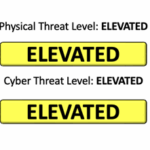

The FB-ISAO’s sponsor Gate 15 publishes a daily newsletter called the SUN. Curated from their open source intelligence collection process, the SUN informs leaders and analysts with the critical news of the day and provides a holistic look at the current global, all-hazards threat environment. Ahead of the daily news cycle, the SUN allows current situational awareness into the topics that will impact your organization.