
Faith-Based Daily Awareness Post 10 August 2026
Faith-Based Security Headlines
These updates are shared to help raise the situational awareness of Faith-Based organizations to best defend against and mitigate the impacts from all-hazards threats including physical security, cybersecurity, and natural disasters.
Church protesters could face tougher penalties under rare bipartisan crackdown
A recent controversy in St. Paul, Minnesota, is drawing attention to protests that disrupt activities at houses of worship. In January, anti-ICE protesters entered Cities Church during a service, but the St. Paul city attorney declined to prosecute those involved, describing the incident as a peaceful protest. In response, Reps. Brad Knott (R-N.C.) and Tom Suozzi (D-N.Y.) are introducing bipartisan legislation that would make it a crime to knowingly disrupt or impede people from attending religious services. The proposed bill would apply to demonstrations within 100 feet of a house of worship’s entrances, from one hour before through one hour after a scheduled service. Penalties would range from $2,500 for a first offense to $10,000 for a third offense.
Analyst Comments: For faith-based organizations, this law is part of the continued political fallout from the Cities Church protest and reflects how demonstrations at houses of worship can lead to broader policy and legal responses. At the same time, churches should maintain situational awareness of protests or demonstrations targeting their facilities, particularly when activity could disrupt worship services or create safety concerns for congregants, staff, and volunteers.
Resources:
U.S. synagogues turn members into security teams
Synagogues across the U.S. are increasingly training congregants to take an active role in security as antisemitic threats and assaults continue to rise. Rather than relying only on hired guards, cameras, and police response, many communities are using a layered approach that includes trained volunteers, controlled access, stronger doors, surveillance, and coordination with law enforcement. The Community Security Service (CSS) reports that more than 7,100 volunteers have been trained and that its teams now help protect more than 500 synagogues and events each week. The Secure Community Network (SCN) recorded 5,409 threat incidents and suspicious activity reports in 2024, a 112% increase compared with two years earlier, while conducting 1,095 security assessments and helping communities obtain $23.7 million in security funding. Rusty Rosenthal of JShield described security as a “team sport,” emphasizing that everyone can have a role without being law enforcement. At the same time, synagogue leaders acknowledge the challenge of maintaining a welcoming, spiritual environment while asking congregants to remain more aware of their surroundings.
Analyst Comments: Congregants, staff, ushers, and volunteers are familiar with their community and can play an important role in recognizing unusual activity and communicating concerns early. A layered security approach can include trained volunteers, awareness of entrances and gathering areas, access controls, cameras, clear communication procedures, and established relationships with local law enforcement. These measures can help create multiple opportunities to identify and address potential concerns before they escalate, while still maintaining a welcoming environment for those attending services.
More Faith-Based Stories
- PA: Erie Man Facing Federal Charges for Antisemitic Threats Made Online
- NY: Alleged brick-throwing synagogue vandal was motivated by Mamdani’s Netanyahu attacks: cops
- NM: Religious leaders address anti-Islamic hate after attack at North Valley church
- C.: Hitler effigy seen performing Nazi salute outside Jewish store in Georgetown
- PA: Erie Man Facing Federal Charges for Antisemitic Threats Made Online
- PA: Church in Pittsburgh damaged by lightning strike
- CO: Blowtorch being used on weeds sparked fire at Broomfield church, fire department says
- NY: Suspect in historic Brooklyn church fire tried to burn another church
- Texas Muslims Facing Severe Sanctions
- The CWT Intelligence Monitor Is Live and It Is FREE
- Canada: Fire breaks out at St. Catharines church during flood cleanup
- UK: Coventry Mosque targeted in early hours burglary
- Italy: Controversial Italian Parliament Bill to Intensify Security Surveillance on Religious Minorities and Mosques
- OZ: Woman jailed for setting fire to cemetery chapel
- India’s Hindu Government threatens to seize churches in ‘clear attack against Christians’
- Water systems are ripe for cyberattacks, experts warn after suspected Iranian hacks
- Voting machine researchers say federal work abruptly ended after Trump ally pushed back on their findings
- What do cybersecurity leaders want in staff?
- Wildfires burn across western US and Canada as residents are evacuated
More Security-Focused Content

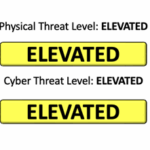

The FB-ISAO’s sponsor Gate 15 publishes a daily newsletter called the SUN. Curated from their open source intelligence collection process, the SUN informs leaders and analysts with the critical news of the day and provides a holistic look at the current global, all-hazards threat environment. Ahead of the daily news cycle, the SUN allows current situational awareness into the topics that will impact your organization.