
Faith-Based Daily Awareness Post 12 August 2026
Faith-Based Security Headlines
These updates are shared to help raise the situational awareness of Faith-Based organizations to best defend against and mitigate the impacts from all-hazards threats including physical security, cybersecurity, and natural disasters.
FL: Ex-teacher accused of threatening to bomb church in Fort Lauderdale
A 27-year-old former teacher and former choir member at Coral Ridge Presbyterian Church in Fort Lauderdale, Melissa Redway, was arrested after allegedly sending a threatening email stating she would “blow up” the church. The threat was sent on February 8 and raised concerns about a church concert scheduled for February 20. According to the arrest report, Redway had previously worked at the church’s private school, Westminster Academy, but was laid off after an alleged brain injury left her unable to perform her teaching duties. Police said she later lost her choir position during a period of personnel changes and “did not accept the news well” when she attempted to rejoin. The church’s executive director had also previously accused Redway of stalking violence following a service on February 19, although that case was closed. An arrest warrant was issued April 20, and deputies arrested Redway on Monday. She faces two second-degree felony charges related to threatening to use a destructive device and threatening to kill or injure someone.
Analyst Comments: This incident is particularly relevant to faith-based organizations because it highlights insider threats, as Redway was a former employee and choir member who reportedly became upset after losing her position and was unsuccessful in attempting to return. That makes this an insider threat situation where a disgruntled former member or former affiliated individual’s personal grievance escalated into threatening behavior.
Maintaining awareness of individuals who have recently lost positions, access, membership roles, or other connections to the organization can be an important part of situational awareness. Warning signs may include persistent attempts to regain access, escalating grievances, stalking or harassment, threatening communications, or significant changes in behavior following a perceived loss or rejection. Clear processes for documenting concerning behavior, communicating information among leadership and security personnel, offboarding personnel, and reporting credible threats to law enforcement can help prevent a personal grievance from escalating into a broader safety concern.
Insider Threat Resources:
- CISA: Insider Threat Mitigation Resources
- National Counterintelligence and Security Center (NCSC): Insider Threat Programs
- DHS “If You See Something, Say Something” Campaign
SBC retirement org. warns members not to fall prey to ‘Phantom Hacker’ scam
GuideStone, a historic board of the Southern Baptist Convention, recently warned members about the growing “phantom hacker” scam after the organization helped identify and stop a sophisticated fraud attempt targeting one of its members before any money was transferred. The scheme appears to involve multiple impersonators posing as technology support representatives, financial institutions, and government officials. The victim may first be told that their computer or bank account has been compromised, then pressured to move their savings or retirement funds into a supposedly “safe” account that is actually controlled by criminals. The FBI notes that victims can lose entire banking, savings, retirement, and investment accounts through these schemes. GuideStone’s Brandon Waldeck emphasized that the scams “exploit both fear and trust,” with victims believing they are protecting their money or even helping law enforcement investigate a crime.
The warning also highlights several red flags, including unsolicited pop-ups, emails or texts claiming a device has been hacked, requests to download software or provide remote computer access, instructions to move money, and demands to keep the supposed investigation secret. Caller ID can also be spoofed, meaning a call appearing to come from a legitimate bank, government agency, or organization cannot be trusted on that basis alone. GuideStone recommends independently verifying the person making contact and reaching the organization through a trusted phone number or its official website before taking any action with an account.
Analyst Comments: Houses or worship and other religious nonprofits are not only targets for cyberattacks, but they also can become trusted environments that scammers exploit to reach individuals. Members may be more inclined to trust communications that appear to come from a familiar church, ministry, financial provider, or other authority figure, particularly when the message creates a sense of urgency or fear. Older congregants and individuals managing retirement or investment accounts may be particularly attractive targets because a successful scam can result in the loss of significant personal savings.
Faith-based organizations can help reduce this risk by regularly reinforcing simple verification practices with staff, volunteers, and congregants. Security awareness messaging can emphasize that legitimate institutions will not unexpectedly demand immediate transfers, remote computer access, cryptocurrency payments, or secrecy. Churches can also provide members with clear instructions for independently verifying suspicious calls and messages and establish an easy way for congregants to report suspected scams.
Resources:
More Faith-Based Stories
- FL: Man talked about ‘shooting up a mosque’
- MS: Identity thief arrested in MS church burglary
- Al: Church in Lillian targeted in repeated vandalism; statues damaged, decapitated
- Pastor suffers stroke in ICE detention, will remain in custody pending removal
- Mapping antisemitism, a website helps Jewish jetsetters avoid turbulence
- The Texas paradox: A state that loves Israel, but Jews are still six times more likely to be hate crime targets
- 2 police officers stabbed in France’s Toulouse in suspected terror attack
- Minnesota water attacks were ‘only to warn,’ Iran hackers claim while taking ‘direct responsibility’
- Ransomware Attacks on K-12 Trend Down, Higher Ed Trend Up in 2026
- AP Exclusive: ICE plans to give officers gloves that can deliver painful electric shocks
- FEMA Bulletin Week of August 11, 2026
- How Malicious Plugins Transform AI Agents Into Insider Threats
- The Government is Monitoring Anti-Flock TikTok and Instagram Accounts
- Is It Safe to Eat Lettuce Yet?
More Security-Focused Content

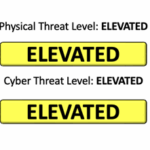

The FB-ISAO’s sponsor Gate 15 publishes a daily newsletter called the SUN. Curated from their open source intelligence collection process, the SUN informs leaders and analysts with the critical news of the day and provides a holistic look at the current global, all-hazards threat environment. Ahead of the daily news cycle, the SUN allows current situational awareness into the topics that will impact your organization.