
Faith-Based Daily Awareness Post 25 August 2026
Faith-Based Security Headlines
These updates are shared to help raise the situational awareness of Faith-Based organizations to best defend against and mitigate the impacts from all-hazards threats including physical security, cybersecurity, and natural disasters.
Judge orders federal government to justify spying at Minneapolis church
Recent court filings have highlighted federal surveillance of Minneapolis churches connected to opposition against U.S. Immigration and Customs Enforcement (ICE) activities. Court records indicate Homeland Security monitored protesters at churches, union halls, and public libraries across Minnesota during the spring. One operation involved an undercover federal agent attending a May 28 martial arts class that occurred inside University Baptist Church in Minneapolis. The agent reportedly observed and recorded participants during the event.
The church is covered by a February injunction issued by the U.S. District Court for Massachusetts. The injunction restricts certain immigration enforcement activities at participating churches. Prohibited actions include arrests, searches, interrogations, questioning, interviews, and investigations.
Church representatives argue the surveillance violated the injunction. Federal prosecutors characterized the gymnasium as an adjacent protected area. They also argued the event was not central to the church’s religious mission. A federal judge ordered the government to explain why it should not face contempt proceedings. A hearing is scheduled for September 4.
The controversy reflects a longer history of government surveillance involving religious organizations, while the current incident involved anti-Islam protesters at a house of worship, a potential riot declaration after vehicles went off the road, and multiple arrests. Although the circumstances differ from the 1986 case involving surveillance of churches participating in the Sanctuary Movement, both demonstrate the potential consequences when government activity and law enforcement responses intersect with activity at houses of worship.
Analyst Comments: The Minneapolis case demonstrates how activities inside houses of worship can become part of broader investigations. Federal surveillance can raise concerns about privacy, religious freedom, and organizational trust.
Faith-based organizations often host community groups, advocacy activities, and outside organizations. These activities can create additional responsibilities for religious leaders and facility managers.
Faith-based organizations can consider:
- Establishing facility-use policies for outside organizations and events.
- Documenting facility access and scheduled activities.
- Designating contacts for law enforcement or legal requests.
- Consulting legal counsel about subpoenas, warrants, or investigations.
- Documenting unusual activity or suspected unauthorized access.
- Training staff and volunteers on appropriate responses to law enforcement activity.
- Building relationships with local law enforcement before incidents occur.
- Communicating with members when significant security concerns arise.
Political Tensions Fuel Violence at Rallies Near Houses of Worship
Two separate rallies involving competing political and ideological groups resulted in confrontations and violence. The incidents occurred amid heightened political tensions surrounding immigration, Islam, and opposing political movements.
In Minneapolis, an anti-Islam demonstration was led by Christian activists Jake Lang and Pastor Lorenzo Sewell. During a “Christian Crusader March on Dearborn,” both addressed the Dearborn City Council, with Sewell claiming the city operated under Sharia law and Lang portraying Muslims as an invading threat. Days later, Lang continued the rhetoric at a Minneapolis rally, calling for a “Crusade” against Islam before police escorted him away after he tore pages from a Quran. The Minneapolis demonstration generated significant tensions with counterprotesters, contributing to disorder and confrontation between opposing groups. Worship leader Sean Feucht also defended his efforts to confront Muslim gatherings and expressed concern about what he described as the spread of Islam.
A separate incident in Los Angeles, involved an anti-Islam rally originally planned outside the Islamic Center of Southern California before organizers relocated to Precious Blood Catholic Church after counterprotesters gathered. The confrontation followed protesters to the church, where they physically confronted activist Connolly before pursuing him to a nearby Starbucks, where he and another man were doused with blue paint. Police later intervened, and no arrests had been reported at the time of publication. An intelligence advisory had identified the rally as a potential counterprotest risk due to its rhetoric, location, and “crusader-associated” symbolism.
Analyst Comments: These incidents demonstrate how the current environment of heightened political tensions can quickly turn religiously focused rallies into confrontations or violence. Houses of worship can become vulnerable when politically charged events occur on or near their properties.
Faith-based organizations can monitor planned demonstrations in their communities and assess potential impacts on their facilities. Organizations can also coordinate with local law enforcement when large or contentious events are anticipated. Avoiding direct involvement in politically charged rallies can reduce exposure to heightened emotions and potential confrontations. Organizations can also monitor the days following these events for retaliatory incidents, threats, or other follow-on activity.
Resources:
- Tips for Preparedness, Peaceful Protesting, and Safety
- Protecting Houses of Worship Resources
- We the People Activist Toolkit: Defending a Free America
Weekly Security Sprint EP 171. Cyber Conflicts and Critical Infrastructure, New Reports, and Crime Statistics
The Gate 15 Security Sprint is a weekly rundown of the week’s notable all-hazards security news, risks and threats and some of the key focus areas for organizations to consider behind the headlines. Gate 15 team members discuss physical security, cybersecurity, natural hazards, health threats and other issues across our environment.
In the above Gate 15 Weekly Security Sprint Dave and Andy discuss the above topics and quarterly reports, ransomware, the weather, and much more.
Information on other Gate 15 podcasts can be found at Podcasts (gate15.global).
More Faith-Based Stories
- 1 fatally shot at historic church camp meeting in NC
- CA: Gunman at large in deadly shooting outside East Hollywood church
- Cornelia man found ex-girlfriend with another man in church parking lot. Now he faces assault, gun charges
- Evangelist Sucker-Punched in Throat While Preaching in West Hollywood, Thyroid Cracked
- NYPD chief pledges to protect Jews at Central Synagogue one week after Shabbat attack – Jewish Telegraphic Agency
- The Averted Anti-Muslim Terror Attack Everyone Should Be Talking About
- OH: Massive church fire intentionally set with arrests imminent, per Cleveland Fire
- NJ: Point Pleasant man arrested for spray painting swastika in Asbury Park
- After attacks on synagogues, how much security is enough?
- Catholic schools’ new year sees safety, security and budget impacts after school shooting
- CAIR-MI Calls for End to Hate Rhetoric After Receiving Death Threats to Office
- CAIR Welcomes Arrest in Spitting Attack Targeting Muslim Woman in Kentucky
- Canada: C.’s Sikh community on edge after Edmonton attack, but urge people not to panic
- NB: Saint Simon Catholic Church reduced to ashes
- Haiti gang members kill around 40 displaced people in church attack near capital
- A church was vandalized by a Muslim Arab in Jaffa; the media blamed Jews
- 600 people abducted in Nigeria mosque attack, residents say
- S. Implements Operation Economic Outcast Sanctioning Iran’s Military Activities, Cyber Threats, and Illicit Oil Trade
- US lawmakers say CISA cuts raise ‘serious concerns about the agency’s ability to fulfil its mission’
- ‘The big one’ is coming. How can we prepare for disaster?
- Preparing for the incident we haven’t imagined
More Security-Focused Content

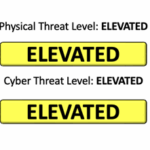
The FB-ISAO’s sponsor Gate 15 publishes a daily newsletter called the SUN. Curated from their open source intelligence collection process, the SUN informs leaders and analysts with the critical news of the day and provides a holistic look at the current global, all-hazards threat environment. Ahead of the daily news cycle, the SUN allows current situational awareness into the topics that will impact your organization.