
Faith-Based Daily Awareness Post 8 October 2026
Faith-Based Security Headlines
These updates are shared to help raise the situational awareness of Faith-Based organizations to best defend against and mitigate the impacts from all-hazards threats including physical security, cybersecurity, and natural disasters.
Hurricane Isaias is expected to get stronger on its way to Florida, Alabama and Mississippi coasts
Hurricane Isaias strengthened into the first hurricane of the 2026 Atlantic season Thursday as it moves toward the U.S. Gulf Coast. The storm has maximum sustained winds of about 85 mph and is expected to intensify before making landfall along the northern Gulf Coast late Friday or early Saturday. The Florida Panhandle, southern Alabama, and southern Mississippi are facing threats from strong winds, life-threatening storm surge, heavy rainfall, flooding, and possible tornadoes. Storm surge could reach 5 to 7 feet in parts of Alabama and Mississippi, while some areas could receive up to 10 inches of rain.
Communities along the Gulf Coast are taking precautions, including mandatory evacuations, school closures, government office shutdowns, and states of emergency in parts of Florida and Alabama. Some Gulf oil production has also been paused. The National Weather Service is warning of potential long-duration power outages, while officials are urging residents to prepare for worsening conditions.
Isaias formed more than four months into the Atlantic hurricane season and came just one day short of tying the record for the latest-forming first Atlantic hurricane, set in 1905.
Analyst Comments: Hurricane Isaias highlights the potential for severe weather to disrupt faith-based organizations, particularly those located along the Gulf Coast and in areas adjacent to the region that are vulnerable to flooding or extended power outages. Congregations should refresh themselves on their preparedness plans and continuity measures ahead of landfall.
Key areas of consideration include:
- Emergency communications: Confirm backup methods for communicating with staff, congregants, emergency responders, and local partners if cellular or internet service becomes unavailable.
- Power resilience: Review backup power capabilities and identify critical systems that require electricity, such as security systems, access controls, communications equipment, and refrigeration.
- Facility preparedness: Secure outdoor items, inspect vulnerable areas of facilities, and account for potential wind, flooding, and water damage.
- Evacuation and shelter plans: Review evacuation procedures and determine how the organization will communicate closures or changes to services.
- Community support: Coordinate with local emergency management agencies and community partners if the facility may serve as a shelter, distribution point, or other resource following a disaster.
The National Weather Service has warned of potentially long-duration power outages associated with Isaias, highlighting the importance of maintaining continuity plans that account for extended disruptions.
Resources:
Make It Harder to Get In: Strong Passwords, Password Managers & Smarter Credential Security
The IT-ISAC’s emphasizes strong passwords and password managers as a foundational layer of credential security. Organizations can reduce the risk of unauthorized access by using long, unique passwords or passphrases. However, these can be difficult for personnel to remember, which is why the importance of adopting password managers and transitioning to passkeys is also discussed.
Quickly addressing compromised credentials and inactive accounts is necessary to keep this system secure, however, and the blog encourages security teams to assess which credentials would have the greatest impact if compromised and how quickly they can revoke or reset exposed credentials. Overall, the author argues credential security should be part of a layered defense strategy, with MFA serving as the next critical layer to prevent stolen credentials from automatically leading to system access.
Analyst Comments: However, strong passwords alone are not enough to prevent credential-based attacks. In addition to the concepts discussed in the above blog, Faith Based Organizations could consider the need to:
- Manage service accounts, API keys, tokens, and other non-human credentials.
- Monitor for credentials exposed through breaches or infostealer logs.
- Secure password reset and account recovery processes.
- Regularly remove inactive, legacy, or unnecessary accounts.
These measures can help limit the impact of compromised credentials and make it more difficult for attackers to move from stolen credentials to broader system access.
More Faith-Based Stories
- FBI arrests man for plotting mass shooting at Mall of America
- MN: Charges: ISIS sympathizer targeted Minnesota mall over Jewish ownership
- Muslim Somali ISIS Sympathizer Arrested by FBI in Minnesota Mall of America Terror Plot: ‘I Want to Harm the Jew’
- Man Arrested and Charged for Role in Plotting to Conduct a Mass-Shooting Event in Support of ISIS at the Mall of America
- CA: Dear WeHo — A Slur Cannot Close the Doors That Welcomed Us
- KS: Church theft investigated
- WI: Hate graffiti spray-painted outside Mukwonago church for second time
- CA: EXCLUSIVE: Founding Calvary Chapel church agrees to pay $12 million to alleged rape survivor disparaged as ‘borderline crazy’
- TX: Treasurer, husband, charged with stealing nearly $60,000 from Jasper County church
- Canada: Israeli flags set on fire outside North York church; Hate Crime Unit investigating
- More Than 500 Million Christians Worldwide Face Restrictions on Bible Access, New Report Reveals
More Security-Focused Content

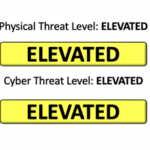
The FB-ISAO’s sponsor Gate 15 publishes a daily newsletter called the SUN. Curated from their open source intelligence collection process, the SUN informs leaders and analysts with the critical news of the day and provides a holistic look at the current global, all-hazards threat environment. Ahead of the daily news cycle, the SUN allows current situational awareness into the topics that will impact your organization.