
Faith-Based Daily Awareness Post 20 October 2026
Faith-Based Security Headlines
These updates are shared to help raise the situational awareness of Faith-Based organizations to best defend against and mitigate the impacts from all-hazards threats including physical security, cybersecurity, and natural disasters.
Top IT concerns for church leaders
This article from Church Executive argues that church leaders should treat two cybersecurity measures as requirements: enabling two-factor authentication (2FA) on every account and implementing ongoing security awareness training. Although 2FA is not perfect, it can prevent many phishing-related compromises and significantly reduce the risk of financial loss, data theft, and reputational damage.
However, a technological solution like 2FA alone cannot eliminate risk because people can still be manipulated into revealing credentials or approving fraudulent requests. Continuous training, testing, and measurement help employees recognize and report threats, turning security into a shared responsibility. The article’s message is simple: protect every account, train your people, measure progress, and seek expert support when needed before a preventable incident becomes a costly crisis.
Analyst Comments: Faith-based organizations often manage sensitive financial and personal information with limited cybersecurity resources, making basic protections especially important. Requiring 2FA across email, financial, cloud, and administrative accounts combined with ongoing security awareness training can reduce phishing risk, strengthen staff and volunteer vigilance, and help preserve the trust placed in these organizations.
Election Offices in at Least 32 States Have Received Suspicious Letters
Election offices in at least 32 states received suspicious letters containing white powder in the weeks before the midterm elections. Most were intercepted by the U.S. Postal Service, but several reached their destinations and prompted evacuations; substances tested so far were not harmful. The FBI and U.S. Postal Inspection Service are investigating the coordinated mailings, while election officials say the incidents will not disrupt election operations.
Meanwhile, in response to concerns about voter intimidation and political tension, a nonpartisan interfaith coalition has trained more than 1,200 clergy members and lay volunteers to serve as poll chaplains and peacekeepers across nine states. Positioned outside polling places, these volunteers will use de-escalation training to help voters exercise their rights without fear, illustrating how faith communities can support public safety and civic participation.
Analyst Comments: These incidents highlight the heightened threat around this year’s midterm elections and how faith-based organizations are supporting civic activities .
Security considerations for faith leaders involved in election activities may include
- Staff and volunteer training
- Clear coordination with law enforcement and election officials
- De-escalation protocols that preserve a calm, nonpartisan environment.
More Faith-Based Stories
- OH: Ohio shooting that killed 1, wounded 1 was not an attack on adjacent mosque, despite ATF’s social media post
- CA: Downtown Fresno church hit by $10,000 theft of items for people experiencing homelessness
- CT: Two Arrested In Wethersfield For Racist, Homophobic And Antisemitic Graffiti, Police Say
- A New Database Outs Churches With Sexual Abuse Allegations
- CAIR-Georgia Calls Out Trump’s Mockery of the Name Muhammad, Urges Georgia Leaders to Denounce Remarks
- Canada: Youth Guilty Of Two Charges Tied To Alleged Plan To Kill Jewish People
- DC National Guard Member Shot, Suspect Wounded In Return Fire
- Police Say Scammers Used AI to Clone a Sheriff’s Voice
- How AI-Generated Misinformation is Reshaping Corporate Security Planning
- WhatsApp Help Pages Leaked Hidden Instructions for a Meta Chatbot
- How Tabletop Drills Improve Incident Response & Decision-Making
- Giant ‘heat storms’ are scorching Earth. This is the story of the biggest one.
More Security-Focused Content

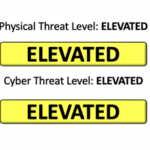

The FB-ISAO’s sponsor Gate 15 publishes a daily newsletter called the SUN. Curated from their open source intelligence collection process, the SUN informs leaders and analysts with the critical news of the day and provides a holistic look at the current global, all-hazards threat environment. Ahead of the daily news cycle, the SUN allows current situational awareness into the topics that will impact your organization.