
Faith-Based Daily Awareness Post 4 November 2026
Faith-Based Security Headlines
These updates are shared to help raise the situational awareness of Faith-Based organizations to best defend against and mitigate the impacts from all-hazards threats including physical security, cybersecurity, and natural disasters.
CA: Shooting, stabbing at 47th annual Sikh Parade under investigation
The Sutter County Sheriff’s Office is investigating two separate violent incidents that occurred during the 47th annual Sikh Parade and Festival in Yuba City, California. On Saturday, deputies responded to a shooting in a parking lot across from the Sikh Temple on Tierra Buena Road; no injuries were reported, and investigators are continuing to gather evidence and pursue leads. On Sunday, near the conclusion of the parade, a stabbing injured two people who were transported to a local hospital for treatment. Authorities arrested 28-year-old Davinder Singh of Sacramento on charges including assault with a deadly weapon and attempted murder. One victim remains in stable condition at UC Davis Medical Center. Investigators have not determined whether the two incidents are related and are working with Sikh Temple leadership to identify any additional individuals involved. Both investigations remain ongoing.
Analyst Comments: The incidents highlight the potential for violence to occur during large-scale faith-based gatherings, particularly events that attract attendees from outside the immediate community. Although investigators have not established any connection between the shooting and stabbing, the incidents demonstrate the security challenges associated with crowded public events, including parking areas, pedestrian access points, and surrounding locations.
Why This Matters for Faith-Based Organizations:
- Situational Awareness: Maintain awareness of potential threats and suspicious activity during large gatherings and community events.
- Law Enforcement Coordination: Establish communication with local law enforcement before and during major events.
- Incident Reporting: Ensure clear procedures are in place for reporting suspicious activity, threats, and emergencies.
- Security Preparedness: Ensure security personnel are trained and prepared to respond to violent incidents.
- Communication: Maintain coordination between event organizers, venue leadership, and law enforcement to support attendee safety and an effective emergency response.
Many churches lack AI policies despite widespread support among pastors, study finds
According to research from Barna Group, 94% of Protestant pastors in the United States believe churches should provide guidance on artificial intelligence (AI), yet 79% report that their congregations have no written policies or informal guidelines governing its use. The December 2025 survey of 442 pastors found that only 4% of churches have an official AI policy, while 17% provide informal guidance. AI is already widely used in ministry, with 50% of pastors using it to explore ideas, 36% for biblical and theological research, 34% for administrative tasks and small-group discussion questions, and 24% for drafting or revising sermons. However, pastors expressed greater reservations about AI performing traditionally spiritual responsibilities, including writing prayers (37%), interpreting Scripture (29%), writing sermons (27%), and providing spiritual counseling (10%). Researchers emphasized the importance of establishing clear AI guidelines to promote transparency, maintain ministerial integrity, build trust with congregants, and define acceptable uses of the technology as its role in church operations and ministry continues to expand.
Analyst Comments: The increasing use of AI within churches highlights the need for faith-based organizations to establish clear expectations for responsible technology use. Without appropriate guidelines, congregations may face challenges involving data privacy, misinformation, transparency, and the appropriate role of AI in ministry. Developing policies can help organizations balance the operational benefits of AI with the need to maintain trust, accountability, and the integrity of spiritual leadership.
Why This Matters for Faith-Based Organizations:
- AI Governance: Establish clear policies or guidelines outlining acceptable AI use across ministry operations.
- Data Privacy: Protect sensitive congregational, employee, and donor information when using AI tools.
- Misinformation Risks: Verify AI-generated research and theological content for accuracy.
- Transparency and Trust: Maintain transparency with congregants about how AI is used in sermons, communications, and ministry activities.
- Human Oversight: Ensure AI supports rather than replaces spiritual leadership and personal counseling.
- Responsible Adoption: Evaluate AI tools and their potential risks as technology becomes more integrated into church operations.
More Faith-Based Stories
- FL: Orlando man arrested over threats to Glades County Jewish residential community
- PA: Bicycle rally aims to force Jewish businesses out of Philadelphia
- Police searching for person accused of antisemitic vandalism at synagogue in Northwest DC
- TX: Halloween Night Fire Burns Church Hall in Muldoon
- US charges four more defendants in conspiracy targeting Michigan University, Jewish community
- Christian Blogger Samuel Sey Removed to Canada, Family Says
- Canada: Police investigate arson attack on car outside home of Sikh independence activist
- UK: Police swarm on east London Mosque after ‘concerning incident’
- UK: A war memorial depicting Jesus Christ at St Alban’s Church was vandalized
- OZ: EXCLUSIVE – Vandal attacks Catholic Church in Sydney
- Election News:
- Over 100 European Stores Hit as Supermarket Fridge Attacks Return
- S. forces launch new ‘defensive’ strikes in Iran on eve of election
- FBI Honolulu Issues Warning About Law Enforcement Impersonation Scam Targeting Hawaii Residents
- Investment scams with potential victims in at least 50 countries: over 100 servers seized
- UK NCSC: Artificial intelligence and cyber intrusion
- Critical Infrastructure Security and Resilience Month
- CISA Cyber Training Bulletin: November – December
- Beyond DKIM key rotation: understanding email replay attacks
- What exploited vulnerabilities have in common: A data-driven analysis of real-world attacks
- Understanding the 5 Capability Levels of Insider Risk Maturity
- Why Physical Enforcement Still Matters in Access Control
More Security-Focused Content

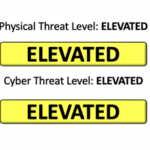
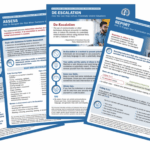

The FB-ISAO’s sponsor Gate 15 publishes a daily newsletter called the SUN. Curated from their open source intelligence collection process, the SUN informs leaders and analysts with the critical news of the day and provides a holistic look at the current global, all-hazards threat environment. Ahead of the daily news cycle, the SUN allows current situational awareness into the topics that will impact your organization.