
Faith-Based Daily Awareness Post 24 November 2026
Faith-Based Security Headlines
These updates are shared to help raise the situational awareness of Faith-Based organizations to best defend against and mitigate the impacts from all-hazards threats including physical security, cybersecurity, and natural disasters.
TX: North Austin mosque responds to online threats after prayer video sparks backlash
The North Austin Muslim Community Center in Austin, Texas, reported receiving threatening emails and voicemails after a 42-second clip from a November 13 prayer service circulated on social media. The video, which included an AI-generated English translation of an Arabic prayer, was shared by Fox News host Sean Hannity and prompted backlash and threats against the mosque. Center representatives stated that the clip lacked context and issued a public statement emphasizing that Islam prohibits injustice against all people, regardless of religious affiliation.
In response to the threats, the Austin Police Department increased patrols around the mosque and maintained communication with center staff. The facility also hired 24-hour security to protect its property and congregation. Despite the threats, the center indicated that it would continue its community services, including its weekly food pantry, free health clinic, and clothing bank. The incident highlights how viral social media content and online rhetoric can contribute to threats against faith-based organizations and create additional physical security concerns for religious facilities.
Analyst Comments: This incident highlights how social media backlash and online rhetoric can translate into real-world threats against faith-based organizations. Religious institutions may become targets following viral content, controversial public commentary, or misinformation, creating potential risks to staff, congregants, and facilities. Even when threats originate online, organizations may face increased security concerns, operational disruptions, and reputational impacts.
Organizations can take the following steps to reduce risk and improve preparedness:
- Monitor and report threats: Establish processes for monitoring threatening messages, emails, voicemails, and social media activity. Preserve evidence and report credible threats to local law enforcement.
- Strengthen physical security: Review access controls, surveillance systems, exterior lighting, visitor procedures, and security staffing during services and community events.
- Coordinate with law enforcement: Maintain relationships with local police and establish communication procedures for reporting suspicious activity or requesting additional patrols.
- Prepare staff and volunteers: Provide guidance on recognizing suspicious behavior, responding to threatening communications, and following emergency procedures.
- Maintain communication plans: Develop procedures for communicating with congregants and staff during security incidents while avoiding the spread of unverified information.
Bring Readiness to the Table This Thanksgiving
Millions of Americans are traveling for the Thanksgiving holiday, contributing to increased congestion at airports and on major roadways nationwide. Travelers may experience flight delays, cancellations, heavy traffic, and weather-related disruptions, including storms, strong winds, and hazardous driving conditions.
FEMA is also encouraging individuals and families to incorporate emergency preparedness into their Thanksgiving celebrations. With increased cooking activity, family gatherings, and seasonal travel, the agency emphasizes preventative measures such as testing smoke alarms, using flameless candles, and remaining in the kitchen while cooking on the stovetop.
Analyst Comments: The Thanksgiving holiday presents increased safety and operational challenges for organizations as employees, volunteers, congregants, and visitors travel and participate in holiday gatherings. Increased roadway congestion, flight disruptions, severe weather, and seasonal fire hazards can affect organizational operations, employee availability, and the safety of facilities and visitors. Faith-based organizations may experience higher visitor volumes, special events, and community outreach activities, increasing the importance of preparedness and situational awareness during the holiday period.
Organizations can take the following steps to reduce risks and improve preparedness:
- Monitor weather and travel conditions: Track local weather alerts, road closures, flight disruptions, and severe weather warnings that may affect staff, volunteers, and scheduled activities.
- Review emergency plans: Confirm evacuation procedures, emergency contacts, communication plans, and contingency arrangements for weather-related disruptions.
- Reinforce fire safety: Test smoke alarms, inspect fire extinguishers, avoid unattended cooking, and minimize open-flame decorations.
- Prepare staff and volunteers: Communicate holiday safety reminders and establish procedures for reporting emergencies, suspicious activity, or facility concerns.
- Assess facility security: Review access controls, exterior lighting, parking areas, and visitor management procedures ahead of holiday gatherings and events.
Weekly Security Sprint EP 181. Thanksgiving Feast: Insider Threats, Terrible Passwords, and Outages
The Gate 15 Security Sprint is a weekly rundown of the week’s notable all-hazards security news, risks and threats and some of the key focus areas for organizations to consider behind the headlines. Gate 15 team members discuss physical security, cybersecurity, natural hazards, health threats and other issues across our environment.
The above Gate 15 Weekly Security Sprint Dave and Andy look at a short Thanksgiving week built around the basics. A high-profile CEO reinstatement raises the point that perceived double standards at the top can feed insider threat risk, so transparency and consistent treatment matter. The annual NordPass list of the 200 most common passwords is still topped by 123456, which is a reminder to use multifactor authentication, password managers, and three random words. And with holiday travel peaking and outages piling up, now is the time to check staffing backups and out-of-band communications, and to help dispel fear, uncertainty, and doubt. The takeaway: most of the risk is basic, so fix the basics before the holidays.
Information on other Gate 15 podcasts can be found at Podcasts (gate15.global).
More Faith-Based Stories
- AL: ‘You don’t have to choose violence’: Church leaders speak out after woman robbed at gunpoint
- GA: Fire intentionally set at abandoned church, investigators say
- Insanity ruling resolves Jewish Federation threat case in Mobile after four years
- Alabama Mosque Targeted in Arson Attack Invites House Speaker Ledbetter to Visit After Anti-Muslim Remarks
- Anti-Israel group plans Brooklyn protest outside Israeli real estate event after Mamdani disbands NYPD response unit
- OH: Woman sentenced for stealing nearly $700,000 from Cincinnati church
- MD: Man indicted on arson charges in connection to east Baltimore mosque fire
- Jerusalem pharmacy student indicted over alleged Temple Mount suicide attack plot
- Exclusive | U.S. Eyes Iran as Possible Culprit in Dozens of New Cyberattacks Against Ships
- Operation Economic Outcast Disrupts Iran’s Global Shadow Banking Networks
- ICE smashes car window, detains man outside California sheriff’s station
- Tech support scams: The consumer scam that’s now our most common detection in business environments
- Holiday Lures, Real Threats: 5 Thanksgiving and Black Friday Campaigns from 2026
- ’Tis the Season for Data Scams: Holiday Cybersecurity Reminders for Remote Workers
- Fake Deals, Real Threats: Black Friday Phishing Targets Microsoft Accounts
- Macy’s Thanksgiving Day Parade weather: Strong wind gusts could restrict balloon
More Security-Focused Content

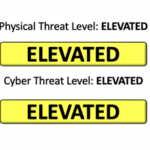
The FB-ISAO’s sponsor Gate 15 publishes a daily newsletter called the SUN. Curated from their open source intelligence collection process, the SUN informs leaders and analysts with the critical news of the day and provides a holistic look at the current global, all-hazards threat environment. Ahead of the daily news cycle, the SUN allows current situational awareness into the topics that will impact your organization.