
Faith-Based Daily Awareness Post 1 December 2025
Faith-Based Security Headlines
These updates are shared to help raise the situational awareness of Faith-Based organizations to best defend against and mitigate the impacts from all-hazards threats including physical security, cybersecurity, and natural disasters.
Another winter storm threatens fresh travel headaches for areas already hit hard over the holiday weekend
A quick-moving winter storm is sweeping across the central U.S., bringing a mix of new snow and ice. As it heads toward the East Coast, it’s expected to strengthen into a bomb cyclone and deliver the season’s first real snowfall to parts of the Northeast on Tuesday. Close to 70 million people are under some kind of winter weather alert as the system pushes from the Plains through the Midwest, Great Lakes, and Ohio Valley, dropping fresh snow on places that just had major totals. Areas in the interior Northeast like Pittsburgh, Albany, and Buffalo could see some messy morning commutes with accumulating snow. Even big coastal cities might catch a few flakes before everything shifts over to rain. Some spots in Pennsylvania, New York, Massachusetts, Vermont, New Hampshire, and Maine could end up with six inches of snow or more. The Appalachians may also see a bit of freezing rain mixed in. Farther south, the storm is more about heavy rain, thunderstorms, and isolated flooding. And once it all moves out, an even colder blast of Arctic air is expected to settle in across the central and eastern U.S., likely bringing the coldest temperatures of the season so far—and maybe even some record lows later in the week.
Analyst Comments: This storm has multiple overlapping hazards like snow, ice, flooding rain, and strong winds making it a high-impact system across a wide geographic area.
How to Prepare:
Travel & Commuting
- Avoid unnecessary travel during peak snow/ice windows, especially Tuesday morning in interior Northeast areas.
- If you must travel, keep your gas tank full, carry blankets, water, and a phone charger.
Home & Power
- Charge devices and consider having power banks ready in case of outages.
- Check flashlights, batteries, and space heaters for safe use.
- Protect pipes by keeping indoor heat consistent as Arctic cold settles in later this week.
Vehicle Readiness
- Clear snow/ice tools (scraper, shovel, windshield fluid).
- Ensure tires are winter-ready and properly inflated.
- Keep a small emergency kit in the car.
Outdoor & Safety Precautions
- Be cautious walking on untreated sidewalks—early ice glaze will be nearly invisible.
- Secure outdoor items that could blow away in strong coastal winds.
- Check on neighbors or family members who may struggle with cold or mobility issues.
For Workplaces & Organizations
- Review remote work options for Tuesday morning in affected regions.
- Communicate early about schedule adjustments.
- Ensure facilities teams are prepared for salting, plowing, and potential freeze-related issues.
The U.S. has been cutting cyber defenses as AI boosts attacks
This Washington Post article reports that the U.S. is weakening its cyber-defense capabilities, even as it confronts rapidly rising AI-driven cyber threats. Key among the U.S.’s weakened defenses are CISA, now facing roughly a 40% vacancy rate in critical mission areas due to cuts, resignations, and a broader push to shrink government, according to internal memos and expert interviews.
At the same time, adversaries, including state-backed actors, are using advanced AI tools to automate sophisticated cyberattacks. The article highlights Chinese government-backed hackers exploiting Anthropic’s “Claude” coding tool to create autonomous agents that carried out an extensive espionage campaign against large tech companies, government agencies, and critical infrastructure firms.
Analyst Comments: From an analyst perspective, there is a concerning operational gap in national cybersecurity readiness which increases systemic risk across government, critical infrastructure, and major industry sectors. This mismatch widens the window of opportunity for adversaries to exploit vulnerabilities before defenders can detect or mitigate them. This report also underscores how quickly AI-driven automation can turn routine reconnaissance into high-impact campaigns, reinforcing the need for organizations of all sizes to invest in continuous monitoring, anomaly detection, and resilience planning. Overall, current trends require a growing urgency for better coordination, faster information sharing, and stronger cyber hygiene across public and private sectors to compensate for slower federal response capabilities.
More Faith-Based Stories
- Gunman Walks Into Church and Lines Men Up Against the Wall: What Happened in Montgomery
- No injuries reported in Roanoke church fire
- Police seek person of interest in Lake Havasu City church arson
- Man sought after Calvary Church arson; police warn he may be armed and dangerous
- DHS moves to cut off South Texas Catholic Charities over migrant grant ‘misconduct,’ documents say
- Central Coast Man Arraigned on Federal Grand Jury Indictment Charging Him with Making Threats to Bomb Synagogues
- The Case for Treating Drones as Ammunition
- “Evil Twin” in-flight Wi-Fi attacker sentenced to seven years in prison
- Trump-era election deniers now shaping federal election policy from inside government
- White House launches website targeting media “misinformation”
- Kenosha County sheriff addresses social-media misinformation around federal activity
- Travel guidance: U.S. advisory reiterates terrorism risk in Italy
- Domestic example: county sheriff warns viral rumors risk derailing investigations
- NWS: Post-Thanksgiving winter storm drops up to a foot of snow in Midwest
More Security-Focused Content

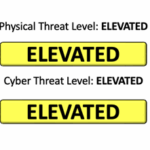
The FB-ISAO’s sponsor Gate 15 publishes a daily newsletter called the SUN. Curated from their open source intelligence collection process, the SUN informs leaders and analysts with the critical news of the day and provides a holistic look at the current global, all-hazards threat environment. Ahead of the daily news cycle, the SUN allows current situational awareness into the topics that will impact your organization.