
Faith-Based Daily Awareness Post 1 October 2026
Faith-Based Security Headlines
These updates are shared to help raise the situational awareness of Faith-Based organizations to best defend against and mitigate the impacts from all-hazards threats including physical security, cybersecurity, and natural disasters.
Immigration agents arrest mosque president and activist who is a supporter of Mahmoud Khalil
An immigration judge ruled that Salah Sarsour, president of Wisconsin’s largest mosque and a Palestinian-rights advocate, may be deported on national-security and foreign-policy grounds tied to decades-old Israeli convictions, while rejecting the government’s allegation that he lied to immigration authorities. Sarsour, a lawful permanent resident who has lived in the United States since 1993 and has no U.S. criminal record, says his detention and removal effort retaliate against protected speech and that deportation to the West Bank—or potentially Jordan—could expose him to torture or death. His attorneys dispute aspects of the Israeli cases, contend his confessions were coerced, and plan to appeal; the government cannot deport him until available legal proceedings are exhausted. The case follows Secretary of State Marco Rubio’s use of a rarely invoked immigration provision, while a federal judge separately ordered Sarsour released from ICE custody after finding a substantial retaliation claim and questioning why he was newly considered a threat after decades in the country.
Analyst Comments: The case may have implications for organizations serving affected communities, particularly as legal proceedings continue and community responses develop. Key considerations include:
- Monitor legal developments: Organizations should follow the case as Sarsour’s attorneys pursue an appeal and additional proceedings determine whether removal can occur to see what precedents are being established.
- Review immigration-related authorities: The case highlights the use of national-security and foreign-policy provisions in immigration proceedings, which organizations may want to understand when assessing the risk of similar cases impacting their operations.
- Maintain awareness of community impacts: Organizations serving Palestinian, Muslim, or immigrant communities may want to monitor potential demonstrations, public gatherings, or community responses as the case develops.
Jewish groups face new security challenges as protesters register for their events
Jewish organizations are increasingly withholding event locations until attendees register and are vetted, responding to a rise in disruptions, vandalism, and violence targeting Jewish and Zionist gatherings since Oct. 7, 2023. Security providers report shifting from basic presence and response tactics to proactive, layered protection. Measures can include identity verification, attendee-list screening, metal detectors, trained personnel, wider perimeters, and rehearsed incident plans. However, identity verification and screening technologies can be costly and are not always reliable. Recent cases in Los Angeles, Seattle, New York, Washington, Boulder, and London demonstrate how individuals have allegedly used registration systems to locate, infiltrate, or disrupt events. Jewish security and advocacy leaders recommend involving local police and community security professionals early, tailoring safeguards to each event, expanding grant support, and considering buffer zones around houses of worship.
Analyst Comments: The following considerations can help organizations strengthen security planning for Jewish and Zionist events while accounting for the limitations of individual security measures.
- Layered security is essential: Registration controls should be combined with identity checks, trained personnel, perimeter monitoring, weapons screening, and rehearsed response procedures.
- Event organizers should assess risk early and modify security accordingly: Public promotion, controversial topics, prominent speakers, and open attendance can raise the likelihood of disruption and warrant stronger safeguards.
- Technology has limits: ID-scanning tools and metal detectors can be expensive and imperfect, so organizers should not treat them as substitutes for professional judgment and coordinated planning.
- Community and law-enforcement coordination remains critical: Institutions should maintain relationships with local police and Jewish security organizations, share event schedules when appropriate, and account for patrol availability and response constraints.
- Security planning should extend beyond the entrance: Recent incidents indicate that threats may emerge outside venues or after locations are exposed, making relocation protocols, wider perimeters, and contingency plans important.
Nerd Out EP 74. National Preparedness Month and the Human Behavior
The Gate 15 Nerd Out! Security Panel Discussion, moderated by Dave Pounder, focuses on physical security topics including terrorism, extremism, hostile events, and other pertinent topics.
In this month’s Nerd Out Dave and Alec are joined by Joe Levy (most-favorite-guest status) and Sharon Dye, founders of The HX3 Advisory Group™, to talk about National Preparedness Month. Focusing on human behavior, the discussion covers common pitfalls that derail preparedness activities and ways organizations can address them.
Information on other Gate 15 podcasts can be found at Podcasts (gate15.global).
More Faith-Based Stories
- Vulnerability Discovery and Exploitation Trends in the AI Era
- Insider Threat Awareness Month: Security Teams Need to Account for Every Trusted Access Point
- Disaster Assistance: FEMA Actions Needed to Better Support People with Disabilities in Disasters
- The Value of InfraGard: A Board Member’s Perspective
- FEMA Bulletin Week of September 30, 2026
More Security-Focused Content

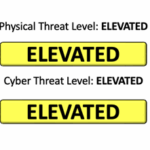
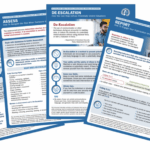

The FB-ISAO’s sponsor Gate 15 publishes a daily newsletter called the SUN. Curated from their open source intelligence collection process, the SUN informs leaders and analysts with the critical news of the day and provides a holistic look at the current global, all-hazards threat environment. Ahead of the daily news cycle, the SUN allows current situational awareness into the topics that will impact your organization.