
Faith-Based Daily Awareness Post 11 December 2025
Faith-Based Security Headlines
These updates are shared to help raise the situational awareness of Faith-Based organizations to best defend against and mitigate the impacts from all-hazards threats including physical security, cybersecurity, and natural disasters.
FB-ISAO Newsletter, v7, Issue 11
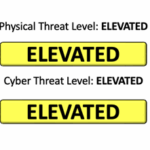
The December 2025 FB-ISAO Newsletter notes that physical and cyber threat levels for faith-based organizations remain elevated, with no specific threats but a higher-than-normal risk environment. It encourages churches and other faith communities to strengthen holiday security planning, including forming safety teams, reviewing existing plans, tightening access control, training greeters, and improving parking-lot awareness to reduce vehicle-ramming risks. The newsletter also warns about event-driven scams and fraud campaigns that exploit major news events or crises to trick donors and staff, urging organizations to conduct proper verification and reporting of suspicious activity. It closes by promoting the FB-ISAO Slack community as a place for members to share real-time security updates and best practices.
Shots Fired at Anchor Baptist Church: What Happened and What Churches Must Learn
The article describes an incident on Sunday morning at Anchor Baptist Church in Lafayette County, Mississippi, where a man in a silver SUV shouted profanity at church members in the parking lot and then fired multiple shots into the air. Local deputies quickly responded after church members reported the situation, located the vehicle, and arrested 34-year-old Christopher Ray Reed, who appeared very intoxicated. Noone was injured and multiple firearms were recovered, with Reed charged with making a terroristic threat and held on a $75,000 bond.
The piece uses the event to emphasize the importance of church safety and preparedness, noting that many violent incidents begin outside in parking areas and urging congregations to establish trained security teams, clear communication, lockdown procedures, coordination with law enforcement, and regular drills. It also highlights the need to recognize dangerous behavior early and prepare, rather than rely on hope, before concluding that proactive security measures help protect worshippers and allow churches to continue their mission safely.
Analyst Comments: This incident highlights several recurring patterns in church-related security events. The threat emerged outside in the parking lot, which is one of the most common areas where warning signs appear, but also where many churches have the least structured oversight. The quick response by congregants calling law enforcement immediately rather than attempting to handle it themselves helped prevent the situation from escalating, reinforcing that clear decision-making protocols matter. The suspect’s intoxication also reflects a broader trend: many disruptive or violent encounters at houses of worship are driven not by ideology but by impairment, emotional instability, or personal crises, which means early recognition of erratic behavior is just as important as preparing for targeted attacks. Overall, the case underscores how even “minor” disturbances can shift rapidly into potentially dangerous situations, and why faith communities benefit from having trained volunteers, communication plans, and strong relationships with local police so they can respond effectively and keep members safe.
More Faith-Based Stories
- NY: Man accused of burglarizing local church arrested after standoff in New York City
- NM: Man accused of burglarizing a Santa Fe church
- FL: Teacher Attacked Near Miami Beach Jewish Day School; Police Make Arrest Amid Hate-Crime Investigation
- CA: Fresno Fire Crews Douse Church Roof Blaze, Man Seen Fleeing Scene
- VA: Authorities investigating historic Jefferson church destroyed by fire
- OH: Cleveland pastors meet with police after rash of car break-ins during church services
- Federations, SCN Release Updated Guides to Strengthen Event Security
- Priest says sisters slated for deportation are Christians who could face persecution by Iran
- Clergy are essential to resistance against ICE, Chicago pastor says
- Senior Manager for Government Contractor Charged in Cybersecurity Fraud Scheme
- Trump National Security Strategy Pivots from the Middle East
- Pentagon plans to publish zero trust strategy 2.0 in early 2026
- CDC: U.S. measles cases now exceed 1,900, with 47 outbreaks in 2025
- Mid-Atlantic sees rare early-season snow events with more chances ahead
- Blizzard warnings for parts of WV, western MD, and VA with up to 12″ snow and 50 mph gusts
- Evacuations ordered in parts of Washington amid threat of ‘catastrophic’ flooding
More Security-Focused Content

The FB-ISAO’s sponsor Gate 15 publishes a daily newsletter called the SUN. Curated from their open source intelligence collection process, the SUN informs leaders and analysts with the critical news of the day and provides a holistic look at the current global, all-hazards threat environment. Ahead of the daily news cycle, the SUN allows current situational awareness into the topics that will impact your organization.