
Faith-Based Daily Awareness Post 13 May 2026
Faith-Based Security Headlines
These updates are shared to help raise the situational awareness of Faith-Based organizations to best defend against and mitigate the impacts from all-hazards threats including physical security, cybersecurity, and natural disasters.
Why Every Church Needs a Cybersecurity Officer | by Dami O. | May, 2026 | Medium
Churches often have dedicated staff overseeing finances, hospitality, facilities, communications, and youth ministries, but many still lack anyone specifically responsible for cybersecurity and digital safety. As churches increasingly rely on online giving platforms, email communication, livestreams, and digital databases containing sensitive member information, they have become attractive targets for cybercriminals. This Medium article argues that churches are among the “softest targets” because they often operate with limited technical oversight despite handling valuable financial and personal data. In response, it calls for churches to appoint a dedicated Church Cybersecurity Officer (CCO) to oversee and strengthen their digital security posture.
The proposed role of a Church Cybersecurity Officer extends far beyond traditional IT support. A CCO would serve as a security advocate, educator, risk manager, and incident responder focused on protecting the church’s people, systems, and operations. Their responsibilities would include conducting cybersecurity awareness training for staff, leading quarterly tabletop exercises to prepare church leadership for potential cyber incidents and acting as the church’s primary incident response contact during cybersecurity events. The role would also involve governance, risk, and compliance responsibilities.
The article further emphasizes the importance of educating youth and teenagers about online safety. Ultimately, the piece frames cybersecurity as a form of stewardship, arguing that protecting the personal and financial information entrusted to churches is not only a technical responsibility but also a moral obligation.
Analyst Comments: A designated cybersecurity lead can help churches move from reactive security practices to proactive risk management through regular awareness training, phishing simulations, incident response planning, and vendor oversight. Even smaller congregations can strengthen resilience by assigning cybersecurity responsibilities to a trusted staff member or qualified volunteer, implementing multi-factor authentication, establishing financial verification procedures, and developing clear reporting processes for suspicious activity. As cyber threats continue to target community-based organizations, churches that integrate cybersecurity into leadership, operations, and member education will be better positioned to protect both their digital infrastructure and congregational trust.
How Changing Weather Is Spreading ‘Fungal Storms’ Across America, Including Valley Fever
Valley Fever, a fungal disease historically associated with the Southwest, is increasingly spreading into new regions across the United States as changing weather patterns create favorable conditions for the fungus to expand. The disease is caused by microscopic coccidioides spores that grow in dry soil and become airborne through dust storms, strong winds, and flooding events conditions some experts are referring to as “fungal storms.” Climate change is contributing to this spread by producing hotter, drier environments interrupted by periods of heavy rainfall, which help the fungus grow and later disperse through the air. While Valley Fever has traditionally been concentrated in states such as Arizona, California, New Mexico, and Texas, cases are now appearing farther north in Oregon and Washington, with projections suggesting the fungus could eventually spread into the Midwest and even parts of Canada.
Medical experts warn that Valley Fever can be far more serious than a typical respiratory illness. Symptoms often resemble the flu or pneumonia, but infections can last for weeks or months and are frequently misdiagnosed because many healthcare providers outside endemic areas are unfamiliar with the disease.
Analyst Comments: The expansion of Valley Fever highlights how climate change is increasingly reshaping public health and environmental risk landscapes across the United States. This trend reinforces concerns that climate-driven health threats may emerge in regions where healthcare systems, public health agencies, and local communities have limited awareness or preparedness for diseases historically considered region-specific. Analysts should monitor how climate-linked disease expansion may influence public health advisories, occupational safety guidance, healthcare resource allocation, and long-term resilience planning as environmental conditions continue to evolve.
AI Governance: Aligning Corporate Structures with Emerging Tech
The article AI Governance: Aligning Corporate Structures with Emerging Tech explains that as artificial intelligence becomes more deeply integrated into business operations, organizations need governance structures that balance innovation, accountability, risk management, and ethical oversight. Rather than treating AI as solely an IT issue, the piece emphasizes that governance must involve executive leadership, legal, compliance, cybersecurity, and operational teams working together under a clear framework. The article highlights how many companies are restructuring leadership roles, creating AI governance committees, and defining responsibilities around decision-making, transparency, and oversight to ensure AI systems align with organizational goals and regulatory expectations. It also notes that effective AI governance is not just about compliance, but about building trust, maintaining operational resilience, and enabling organizations to safely scale emerging technologies while minimizing risks such as bias, misuse, data exposure, and inconsistent decision-making.
The Gate 15 Interview EP 70. Allan Liska Returns! Ransomware, Comic Books, and Empathy.
The Gate 15 Interview is a monthly interview between Gate 15’s Founder and Managing Director, Andy Jabbour and guests from throughout the homeland security risk management community addressing a wide range of all-hazards topics and issues.
In this month’s Gate 15 Interview Andy speaks with Allan Liska and the two discuss the following:
- Ransomware, Recorded Future, cybersecurity, and comics!
- Anti-Ransomware Day, 3rd party ransomware risk, and the expanding ransomware ecosystem
- IABs, scams, BEC, and other threats
- Thoughts on AI and LLMs
- The value of networking!
- Green Archer Comics! and where you can meet Allan: Comic Logic (17 May), Big Lick Comic Con NOVA (30-31 May) Sleuthcon (05 Jun)
Information on other Gate 15 podcasts can be found at Podcasts (gate15.global).
More Faith-Based Stories
- Critical infrastructure coalition pushes Congress for more cybersecurity support
- 5,000 vibe-coded apps just proved shadow AI is the new S3 bucket crisis
- Trade, Taiwan and Iran cast shadows on Trump’s China summit with Xi
- FEMA Bulletin Week of May 12, 2026
- Global Respiratory Virus Activity: Weekly Update N° 577
More Security-Focused Content

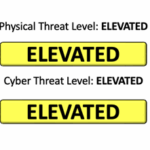
The FB-ISAO’s sponsor Gate 15 publishes a daily newsletter called the SUN. Curated from their open source intelligence collection process, the SUN informs leaders and analysts with the critical news of the day and provides a holistic look at the current global, all-hazards threat environment. Ahead of the daily news cycle, the SUN allows current situational awareness into the topics that will impact your organization.