
Faith-Based Daily Awareness Post 15 September 2026
Faith-Based Security Headlines
These updates are shared to help raise the situational awareness of Faith-Based organizations to best defend against and mitigate the impacts from all-hazards threats including physical security, cybersecurity, and natural disasters.
How much privacy should you expect at church?
This Baptist News article dicusses how churches are using extensive AI-enabled surveillance in ways that could raise significant privacy, transparency, and accountability concerns. Leaders at one church describe their technology, supplied by the AI company Coram, as a security tool for protecting children, identifying threats, and supporting ministry, but critics and former staff allege that hundreds of cameras monitor not only entrances and children’s areas but also staff offices and sensitive spaces where people may change clothes. Coram’s publicly demonstrated capabilities include license-plate recognition, facial recognition, visitor databases, and “Journey Path” tracking that compiles a person’s movements across multiple cameras.
The article also highlights ChurchAI, a separate platform that uses church data to assess member engagement, identify changes in participation, and support automated outreach efforts to reengage members. Ultimately, the article’s author warns that such technologies could transform pastoral care from a relational practice into algorithmic monitoring and influence, calling for greater scrutiny of consent, data access, oversight, and surveillance.
Analyst Comments: The reported use of AI-enabled surveillance illustrates how utilizing certain security technologies can create operational, legal, reputational, and pastoral risks when governance does not keep pace with capability. Faith-based organizations considering comparable systems benefit from documented policies covering:
- Purpose and proportionality: Define the specific security need for each surveillance capability and limit collection to what is necessary for that purpose.
- Notice and consent: Clearly disclose the technologies in use to staff, members, and visitors.
- Restricted locations: Prohibit surveillance in changing areas and other spaces where individuals reasonably expect privacy.
- Access and retention: Limit who can view footage and profiles, record access activity, establish retention periods, and securely delete data when it is no longer required.
- Oversight and misuse prevention: Use independent review and prohibit monitoring of dissent, critics, former members, giving, or pastoral engagement without a documented safety basis.
- Incident response: Set procedures for complaints, breaches, law-enforcement requests, and notifications.
Church needs response to ‘apocalyptic’ AI threat, warn experts
Christian leaders and technology experts are urging the Church of England to address growing concern over the rapid development and uncertain risks of artificial intelligence. Following warnings from Anthropic’s leadership, recently retired Bishop of Oxford Steven Croft argued that Christian teaching about heaven, hell, death, and judgment could help the Church respond to potential threats to humanity. Hugh Chichester, founder of Niya AI, acknowledged concerns that advanced AI models may become capable of self-improvement and greater agency, while regulation in Western democracies continues to lag. The House of Bishops is meeting to examine AI risks and prepare Church of England leaders to respond pastorally as the technology becomes more common in congregational life.
Analyst Comments: The article reflects a growing need for faith-based organizations to engage with AI as both a pastoral issue and an organizational risk. Framing AI through apocalyptic or theological perspectives may shape how communities understand uncertainty, but practical preparation depends on clear governance, informed leadership, and balanced communication. Key considerations include:
- Risk literacy: Equip clergy and staff to distinguish current AI capabilities from speculative scenarios and communicate uncertainty accurately.
- Governance: Establish approved uses, human review requirements, data protections, accountability, and escalation procedures for AI-enabled ministry and administration.
- Congregational care: Prepare leaders to address anxiety, employment disruption, privacy concerns, misinformation, and questions about human identity without amplifying fear.
Weekly Security Sprint EP 173. Information Sharing, Strategies, and AI
The Gate 15 Security Sprint is a weekly rundown of the week’s notable all-hazards security news, risks and threats and some of the key focus areas for organizations to consider behind the headlines. Gate 15 team members discuss physical security, cybersecurity, natural hazards, health threats and other issues across our environment.
In this week’s Weekly Security Sprint Dave and Andy covered Gate 15, industry news, and contributions on FBI phishing trends. WaterISAC and EPA work on cyber/physical risks and IT/OT convergence, and the Food and Ag-ISAC’s ransomware report. They discussed the FBI’s concerns about private-sector info sharing, its new four-pillar cyber strategy, a CISA report on China-based AI firms attacking U.S. AI companies, and CISA’s Insider Threat Mitigation Guide, which addresses AI as an insider risk for National Insider Threat Month. They also talked about winter weather prep, noted that hurricane season was below average, and praised Bridget Johnson’s Threat Beat on Iran-related terrorism.
Information on other Gate 15 podcasts can be found at Podcasts (gate15.global).
More Faith-Based Stories
- NY: Teen Injured in Brooklyn Synagogue Stabbing
- NY: Manhattan Man Indicted on Hate Crime Charges in Two Stabbings Near Synagogues
- MI: ‘We return changed’: Michigan synagogue reopens for Rosh Hashanah six months after a gunman forced them out
- NC: Aulander man faces felony charges after church burglary
- NY: WATCH: Neo-Nazis chant ‘Free Palestine’ outside 9/11 memorial
- South Carolina megachurch removes convicted sex offender from worship team and reviews safeguarding practices
- American missionary details brutal 6 years in captivity: ‘I lost my religion, but gained my faith’
- UK: Three Jewish schoolboys assaulted on north London bus in ‘antisemitic hate crime’
- Germany: 17th-century German church vandalized
- France’s antisemitism data should be treated as a security warning
- Greece: Mosque in Western Thrace targeted with anti-Islam graffiti
- Deadly Nepal Floods Claim Christian Lives as Faith Community Faces Growing Persecution
More Security-Focused Content

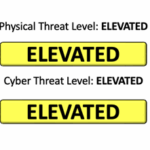
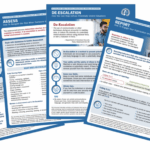

The FB-ISAO’s sponsor Gate 15 publishes a daily newsletter called the SUN. Curated from their open source intelligence collection process, the SUN informs leaders and analysts with the critical news of the day and provides a holistic look at the current global, all-hazards threat environment. Ahead of the daily news cycle, the SUN allows current situational awareness into the topics that will impact your organization.