
Faith-Based Daily Awareness Post 16 June 2026
Faith-Based Security Headlines
These updates are shared to help raise the situational awareness of Faith-Based organizations to best defend against and mitigate the impacts from all-hazards threats including physical security, cybersecurity, and natural disasters.
Religious Restrictions Around the World
Pew Research Center’s analysis of religious restrictions worldwide found that government restrictions on religion and religion-related social hostilities remain significant in many countries. The interactive dataset allows users to examine trends across 198 countries and territories from 2007 through 2023, illustrating how government actions and societal tensions can combine to shape the religious freedom environment around the world. The study measured restrictions through two indicators: the Government Restrictions Index (GRI), which tracks laws, policies, and actions by authorities that limit religious practices, and the Social Hostilities Index (SHI), which measures religion-related harassment, discrimination, and violence carried out by private individuals or groups.
The Pew report specifically highlighted a few countries including Pakistan, which experienced increased sectarian violence and continued discrimination against religious minorities, while Israel’s scores were influenced by the October 7 Hamas attacks, subsequent security measures affecting access to religious sites, and reports of increased attacks on Christian clergy and property.
Analyst Comments: Pew’s findings highlight that threats to religious communities are often shaped by broader social, political, and security dynamics. Elevated levels of government restrictions and social hostilities can increase the risk of discrimination, harassment, vandalism, and violence targeting houses of worship and faith communities. For faith-based organizations, monitoring international developments is important, particularly when geopolitical events or sectarian tensions have the potential to inspire retaliatory actions or increase hostility toward specific religious groups. Organizations should maintain strong situational awareness, foster relationships with local law enforcement and community partners, and ensure security and emergency response plans are regularly reviewed and exercised to address evolving threats.
Pea Ridge woman accused of feigning illness, impersonating therapist to get money from church congregants
A Pea Ridge, AK woman is facing charges after authorities alleged, she falsely claimed to have a serious medical condition and used the deception to gain sympathy and financial support from church congregants. Investigators say the woman allegedly misrepresented her health status over an extended period, leading individuals to provide money, gifts, and other assistance based on the belief that she was seriously ill. Prosecutors contend that the scheme involved intentionally misleading friends, family members, and supporters, resulting in financial losses for some victims. The case remains ongoing as the woman faces charges related to the alleged fraud and deception.
Analyst Comments: This case serves as a reminder that fraud and deception can occur in any community, including houses of worship, where strong social bonds and a culture of compassion may make members more likely to aid without extensive verification. While faith communities often rally around individuals facing illness, hardship, or other crises, bad actors can exploit that trust for personal gain through fabricated medical conditions, financial emergencies, or charitable appeals.
Houses of worship can reduce their risk by establishing clear processes for collecting and distributing donations, verifying fundraising requests, and encouraging transparency when financial assistance campaigns are organized on behalf of individuals. Leaders should also educate congregants about common fraud schemes and encourage members to report concerns if information appears inconsistent or suspicious. Maintaining a balance between compassion and due diligence can help faith communities support those in genuine need while reducing opportunities for scams and financial exploitation.
Weekly Security Sprint EP 162. All Hazards Recap – Election Risks, Geopolitics, Weather, AI and More.
The Gate 15 Security Sprint is a weekly rundown of the week’s notable all-hazards security news, risks and threats and some of the key focus areas for organizations to consider behind the headlines. Gate 15 team members discuss physical security, cybersecurity, natural hazards, health threats and other issues across our environment.
In this week’s Weekly Security Sprint Dave and Andy covered the following topics:
- Election Security and Cascading Risks: An explosion of AI deepfakes is redefining American elections
- Operation Epic Fury & Continued Threats
- Anthropic, AI & Patching… N-days \ red.anthropic.com
Information on other Gate 15 podcasts can be found at Podcasts (gate15.global).
More Faith-Based Stories
- TN: Nashville church security guard assaulted after man asked to leave property, police say
- WV: Man charged after fires set at church
- CA: Life-sized Jesus statue pulled from cross, broken and desecrated at Redding church
- IL: Oak Park police investigating antisemitic vandalism
- MO: Police investigate vandalism targeting Hopkinsville’s Pride event
- GA: AC units vandalized, stolen from multiple South Ga. churches near hottest days of the year
- Christian Warrior Training reviews joint FBI and DHS threat assessment
- 5 ways pastors can use AI in ministry today
- China: CCP rounds up pastors, children in house church crackdown: report
More Security-Focused Content

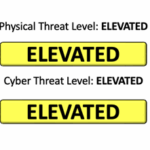

The FB-ISAO’s sponsor Gate 15 publishes a daily newsletter called the SUN. Curated from their open source intelligence collection process, the SUN informs leaders and analysts with the critical news of the day and provides a holistic look at the current global, all-hazards threat environment. Ahead of the daily news cycle, the SUN allows current situational awareness into the topics that will impact your organization.