
Faith-Based Daily Awareness Post 18 February 2026
Faith-Based Security Headlines
These updates are shared to help raise the situational awareness of Faith-Based organizations to best defend against and mitigate the impacts from all-hazards threats including physical security, cybersecurity, and natural disasters.
Texas Muslims harassed while praying at Plano Park amid rising Islamophobia
A Muslim student-affiliated group, Islamic Relief at the University of Texas at Dallas, was holding a community prayer and breakfast gathering in a Plano, Texas park when a man disrupted the event and shouted Islamophobic insults, telling worshippers their faith was “fake” and that they would “go to hell.” The encounter was filmed and spread widely online, prompting condemnation across social media. The organization responded publicly by urging members not to escalate tensions and instead maintain composure, respect, and dignity. The incident occurred amid heightened anti-Muslim rhetoric in North Texas, including recent political statements warning about “Sharia law” and investigations tied to Muslim development projects, contributing to broader fear within the local Muslim community.
Analyst Comments: This event illustrates how national-level rhetoric and local social tensions can translate into direct confrontations in everyday public spaces, rather than only at formal religious sites. From a security and community-risk perspective, harassment incidents suggest a normalization of hostility that raises the probability of future disruptive protests, intimidation, or targeted hate incidents. The group’s decision to emphasize de-escalation is notable because public reaction frequently determines whether these situations end as isolated harassment or evolve into recurring flashpoints, which could bring inrequire law enforcement involvement. For institutions, particularly faith-based organizations, the takeaway is less about immediate physical threat and more about preparedness: monitoring local sentiment, coordinating with local authorities, and preparing volunteers for safe, non-confrontational response protocols in open public environments where security control is minimal.
Record Number of Ransomware Victims and Groups in 2025
A new report highlighted by Info Security Magazine found ransomware activity reached record levels in 2025, with researchers tracking 7,458 victims listed on dark-web leak sites, a roughly 30% year-over-year increase. The number of active ransomware groups also surged to 124, including 73 newly identified groups, indicating a rapidly expanding criminal ecosystem. Analysts attribute part of this growth to artificial intelligence lowering the barrier to entry in assisting threat actors with social engineering, analyzing stolen data, negotiating with victims, and refining malware to bypass defenses. Despite the spike in attacks, ransom payments have not risen proportionally, as more organizations refuse to pay extortion demands.
Analyst Comments: The key takeaway is that ransomware is transitioning from a specialized criminal activity into a scalable, high-volume ecosystem. AI reduces skill barriers for criminals, meaning attackers no longer need advanced technical expertise they need access to tools. This produces more criminal groups, more victims, and more opportunistic targeting, even as profitability per incident declines. For organizations, this shifts risk from “being specifically targeted” to “being statistically inevitable.” In other words, resilience (backups, response planning, business continuity) now matters as much as prevention. The decrease in payments also suggests attackers will compensate by increasing pressure tactics such as harassment, data leaks, and reputational coercion, reinforcing that ransomware requires going beyond cybersecurity staff and into communications solutions.
Weekly Security Spring EP 146. Management Concerns, Threat Actors Targeting AI Models, and More!
The Gate 15 Security Sprint is a weekly rundown of the week’s notable all-hazards security news, risks and threats and some of the key focus areas for organizations to consider behind the headlines. Gate 15 team members discuss physical security, cybersecurity, natural hazards, health threats and other issues across our environment.
In this week’s Weekly Security Sprint Dave and Andy covered the following topics:
- TribalHub 6thAnnual Cybersecurity Summit, 17–20 Feb 2026, Jacksonville, Florida
- IT-ISAC, Food & Ag ISAC Ransomware Reports!
- Cyber Incident Reporting for Critical Infrastructure Act (CIRCIA) Rulemaking; Town Hall Meetings
- What to Know About the Homeland Security ShutdownNew York Times 15 Feb 2026
Information on other Gate 15 podcasts can be found at Podcasts (gate15.global).
More Faith-Based Stories
- USCP Officers Stop & Arrest Man with Loaded Shotgun Outside the U.S. Capitol
- YouTube down? Live updates on outage hitting users worldwide
- CISA threat-hunting leader to depart for private sector role
- Snow, ice, rain and severe weather coming to central, eastern U.S.
- Global Awareness Professionals Recalibrates Safety and Security Training
More Security-Focused Content

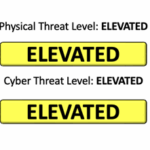
The FB-ISAO’s sponsor Gate 15 publishes a daily newsletter called the SUN. Curated from their open source intelligence collection process, the SUN informs leaders and analysts with the critical news of the day and provides a holistic look at the current global, all-hazards threat environment. Ahead of the daily news cycle, the SUN allows current situational awareness into the topics that will impact your organization.