
Faith-Based Daily Awareness Post 18 November 2026
Faith-Based Security Headlines
These updates are shared to help raise the situational awareness of Faith-Based organizations to best defend against and mitigate the impacts from all-hazards threats including physical security, cybersecurity, and natural disasters.
How to Tell If It’s a Cyberattack or Just an Outage
Recent outages affecting Microsoft, the FAA, JPMorgan Chase, United Airlines, and the NSA occurred within the last week, raising concerns about potential coordinated cyber activity; however, there is no evidence linking the incidents or indicating they were cyberattacks. This WIRED story explains how to distinguish a cyberattack from a routine technology outage, emphasizing that most IT disruptions are caused by technical failures rather than malicious activity.
The article outlines five steps for assessing outages:
- Presume technical failure until evidence suggests otherwise,
- Review official organizational statements and service status dashboards,
- Consult trusted network monitoring sources, look for claims of responsibility from threat actors, and
- Avoid drawing conclusions until additional evidence becomes available.
It also highlights the importance of monitoring outage scope, timing, affected systems, and recovery efforts while relying on verified information from organizations, government agencies, and cybersecurity researchers.
Analyst Comments: The recent series of technology outages across U.S. infrastructure highlights the challenges of distinguishing malicious cyber activity from routine technical failures. Although there is currently no evidence connecting these incidents to a coordinated cyberattack, the disruptions demonstrate how system failures, software updates, configuration errors, and third-party dependencies can affect essential services.
For faith-based organizations, these incidents reinforce the importance of understanding how technology disruptions could affect communications, financial transactions, security systems, and daily operations. Key considerations for members include:
- Avoid Premature Attribution: Not every technology disruption is the result of a cyberattack. Organizations should avoid spreading misinformation or making unnecessary decisions by relying on verified information from affected service providers, government agencies, and trusted cybersecurity sources before drawing conclusions.
- Monitor Third-Party Services: Outages involving cloud providers, telecommunications networks, payment processors, and other vendors can create cascading disruptions. Members can identify critical third-party dependencies and maintain alternative procedures for essential operations if these services become unavailable.
- Strengthen Operational Resilience: Technical failures can disrupt access to important systems even without malicious activity. Organizations can maintain offline backups of essential information, establish alternative communication methods, and document procedures for operating during technology outages.
- Monitor Official Updates: Organizations can use vendor status dashboards, CISA advisories, and trusted network monitoring resources to stay informed about disruptions and determine whether their systems or services are affected.
- Prepare for Extended Disruptions: Establishing incident response procedures, identifying essential personnel, and periodically testing backup and recovery processes can help organizations maintain critical operations during prolonged outages or cyber incidents.
AL: Suspect in Gadsden Islamic Society fire arrested for manufacturing destructive device
A 35-year-old man, identified as Daniel Timothy Mason Black, was arrested in connection with an arson attack at the Gadsden Islamic Society in Gadsden, Alabama. The incident occurred on November 11, when surveillance footage captured a masked individual approaching the mosque’s entrance, igniting an object, and throwing it toward the building. The incendiary device started a fire near the front entrance while the facility was unoccupied. The mosque’s imam and family members helped extinguish the fire, and no injuries or significant building damage were reported. Black faces charges of second-degree arson and possession or manufacturing of a destructive device. The FBI and local law enforcement continue to investigate the incident, and authorities have not publicly identified a motive.
Analyst Comments: The arson attack targeting the Gadsden Islamic Society highlights the potential for targeted violence against religious institutions and the importance of maintaining physical security at houses of worship. Although no injuries or significant structural damage were reported, the use of an incendiary device demonstrates how quickly an incident can escalate and threaten congregants, staff, and facilities. The arrest and involvement of the FBI and local law enforcement also underscore the importance of reporting suspicious activity and coordinating with authorities when threats arise. Key considerations for members include:
- Fire and Incendiary Threats: Religious facilities may be vulnerable to arson, vandalism, and other attacks targeting entrances or exterior areas. Members can review fire prevention measures, ensure fire detection and suppression systems are operational, and maintain clear emergency exits.
- Physical Security Measures: Surveillance cameras, adequate exterior lighting, controlled access points, and routine security assessments can help identify suspicious activity and support investigations following an incident.
- Suspicious Activity Reporting: Encourage staff, volunteers, and congregants to report suspicious behavior, threats, or unattended objects to local law enforcement. Preserve relevant surveillance footage and document incidents when safe to do so.
- Emergency Preparedness: Review emergency response procedures for fires, suspicious devices, and potential targeted violence. Ensure staff and volunteers understand evacuation procedures, emergency contacts, and how to communicate with first responders.
- Community Coordination: Maintain relationships with local law enforcement and nearby religious institutions to support information sharing, threat reporting, and coordinated responses to incidents targeting faith communities.
Weekly Security Sprint EP 180. Resiliency in the Face of Outages, AI, and Grievances.
The Gate 15 Security Sprint is a weekly rundown of the week’s notable all-hazards security news, risks and threats and some of the key focus areas for organizations to consider behind the headlines. Gate 15 team members discuss physical security, cybersecurity, natural hazards, health threats and other issues across our environment.
In this week’s Weekly Security Sprint Dave and Andy look at a string of unrelated outages across air travel, email, and banking, and the message is to help dispel fear, uncertainty, and doubt while building real resilience: practice degraded operations and backup communications, prepare for ransomware, and train staff to expect the phishing that follows every outage.
Information on other Gate 15 podcasts can be found at Podcasts (gate15.global).
More Faith-Based Stories
- Police investigating hate crime after woman wearing hijab assaulted in Capitol Hill
- NY: VIOLENT THREATS: Queens Man Gets 364 Days Behind Bars For Threatening To Kill Jews And Police Officers
- FL: Imam’s prayers spark firestorm at Bartow Commission meeting
- NC: ‘An act of hatred’: Charlotte Jewish community responds to video involving students, swastikas
- CA: Granite Bay deputies seek suspect after Sikh religious sign vandalized 4 times
- CAIR-Minnesota Welcomes Attempted Murder Charge in Brutal Attack on Somali Uber Driver, Calls for Further Investigation into Possible Bias Motive
- CAIR Condemns Anti-Muslim Rhetoric at Meeting Over Planned South Carolina Mosque
- CAIR-Georgia Defends Muslim Community’s Religious Freedom Amid Opposition to Proposed Loganville Islamic Center
- Canada: Man wanted after ice pick used in attempted break-in at Richmond Hill synagogue
- Berlin police ban Hezbollah-linked association, raid mosque over terror support claims
- Attacks on Christians in Europe rise by 44%, report finds
- German Synagogue Evacuated After Swastika-Marked Bomb Threat
- East Jerusalem man indicted for plotting bombing, shooting attack near Temple Mount
- Europe Terror Alert: Americans Urged to Stay Vigilant in Broad Warning
- Rubio says no imminent threat after CNN report on possible Iran dirty bomb plot
- ICE Reports More Than 491,000 Arrests and 483,200 Deportations in Fiscal Year 2026
- Worldwide Threats to the Homeland: 25 Years After 9/11
- Visa Report: AI-Enabled Fraud and Third-Party Attacks Are Scaling Worldwide
- Chatbots helped plan terrorist attacks in tests by congressional watchdog
- How insider threats reshape cybersecurity risks in power grids
- FEMA Bulletin Week of November 17, 2026
More Security-Focused Content

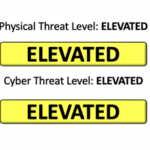
The FB-ISAO’s sponsor Gate 15 publishes a daily newsletter called the SUN. Curated from their open source intelligence collection process, the SUN informs leaders and analysts with the critical news of the day and provides a holistic look at the current global, all-hazards threat environment. Ahead of the daily news cycle, the SUN allows current situational awareness into the topics that will impact your organization.