
Faith-Based Daily Awareness Post 19 May 2026
Faith-Based Security Headlines
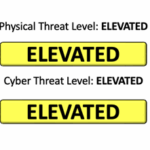
These updates are shared to help raise the situational awareness of Faith-Based organizations to best defend against and mitigate the impacts from all-hazards threats including physical security, cybersecurity, and natural disasters.
5 dead in attack at San Diego mosque; anti-Islamic writings are found, sources say
Authorities are investigating a deadly shooting at the Islamic Center of San Diego, the largest mosque in San Diego, as a possible hate crime after two teenage suspects opened fire outside the center on May 18, 2026. Three people, including a security guard who officials say likely prevented an even larger tragedy, were killed in the attack before the two suspects died from apparent self-inflicted gunshot wounds. Police said the suspects, ages 17 and 18, arrived wearing camouflage gear shortly before midday prayers and opened fire, prompting a massive law enforcement response.
Earlier that morning, the mother of one of the suspects had reportedly contacted police to report her son missing, suicidal, and in possession of several firearms taken from the home. Authorities are also investigating anti-Islamic writings allegedly connected to the suspects.
Additional Readings:
- Update from Special Agent in Charge Mark Remily on May 18 Shooting at the Islamic Center of San Diego
- Security guard warned teachers to lock doors during San Diego Islamic Center shooting
- What we know about the San Diego Islamic Center shooting suspects
- Suspect’s Mother Warned Police of Missing Guns Before Mosque Attack
- What we know about the San Diego shooting victims, suspects, possible motive and more
Analyst Comments: The attack on the Islamic Center of San Diego underscores the continued threat of anti-Muslim and Islamophobic violence targeting religious institutions and community gathering spaces in the United States. Although these incidents often receive less sustained public attention, threats and acts of violence directed at Muslim communities have periodically increased during periods of heightened geopolitical tension, including in the wake of the Israel–Hamas conflict and escalating tensions involving Iran. Incidents involving heavily armed individuals, pre-attack behavioral indicators, and extremist rhetoric reinforce the importance of timely threat reporting, information sharing, and layered security measures at mosques and other Islamic community facilities. Organizations and community leaders should continue encouraging the reporting of concerning behaviors, maintaining active emergency response plans, and coordinating with local law enforcement and security partners to strengthen preparedness against ideologically motivated targeted violence.
Copper theft leaves Missouri church facing expensive HVAC replacement
Members of St. Luke’s United Methodist Church are dealing with thousands of dollars in damage after thieves stole copper wiring and damaged multiple rooftop and ground-level HVAC units at the church. Surveillance footage reportedly captured a suspect climbing onto the roof and cutting copper from several air conditioning systems, with church members noting that older units were specifically targeted because they contain larger amounts of valuable copper. The damage is expected to require full replacement of several units and associated piping, creating significant repair costs and leaving the church without air conditioning as summer temperatures increase. Despite feeling violated and disappointed by the incident, church leaders said they are responding with compassion and are praying that those responsible find other ways to support themselves without harming the community.
Analyst Comments: The incident at St. Luke’s United Methodist Church reflects the continued threat of copper thefts targeting churches, schools, utilities, telecommunications infrastructure, and commercial facilities across the United States and internationally. Driven largely by the current price of copper , criminals target HVAC systems, electrical wiring, utility lines, and construction sites for quick resale at scrap yards.
Religious institutions and other community organizations may remain particularly vulnerable because HVAC units and external utility systems are often located in accessible areas with limited overnight security monitoring. Beyond the direct financial impact, these incidents can disrupt operations, create safety hazards, and strain already limited budgets for nonprofit and faith-based organizations. Organizations should consider reviewing physical security measures around HVAC systems and utility infrastructure, including surveillance coverage, lighting, fencing, alarm systems, locking mechanisms, and routine patrols.
Weekly Security Sprint EP 158. New Swag, Hurricane Prep, and New Physical and Cyber Threats with Our Special Guest
The Gate 15 Security Sprint is a weekly rundown of the week’s notable all-hazards security news, risks and threats and some of the key focus areas for organizations to consider behind the headlines. Gate 15 team members discuss physical security, cybersecurity, natural hazards, health threats and other issues across our environment.
In this week’s Weekly Security Sprint Anna Mentzer-Hernández joins Dave and Andy as their special guest to discuss:
- Hurricane Season
- San Diego shooting: 5 dead in mosque attack; anti-Islam writings found
- Iranian hackers target gas stations and internet-connected systems amid regional tensions
Information on other Gate 15 podcasts can be found at Podcasts (gate15.global).
More Faith-Based Stories
- TX: ‘Kill all the Muslims and Jews’: Man arrested for threats made at Houston’s Ismaili Center
- California Man Arrested on Federal Indictment Charging Him with Assaulting Jewish Man Near Pico-Robertson Synagogue
- MI: Around 100 antisemitic pamphlets found in Berkley; investigation underway
- PA: Former Harrisburg church office administrator charged with stealing over $36,000
- Hit Lists, Death Threats: The Rising Physical Danger Facing American Jewish Politicians
- MI: Around 100 antisemitic pamphlets found in Berkley; investigation underway
- Iran War:
- Man threatened mass shooting at Walmart if hantavirus outbreak led to lockdown, sheriff says
- CISA Admin Leaked AWS GovCloud Keys on GitHub
- Disaster Assistance Scams: Education and Awareness Are Key to Consumer Protection
- Fast-Moving Southern California Fire Forces Immediate Evacuations
- Ebola outbreak may be spreading faster than first thought, WHO doctor warns
More Security-Focused Content


The FB-ISAO’s sponsor Gate 15 publishes a daily newsletter called the SUN. Curated from their open source intelligence collection process, the SUN informs leaders and analysts with the critical news of the day and provides a holistic look at the current global, all-hazards threat environment. Ahead of the daily news cycle, the SUN allows current situational awareness into the topics that will impact your organization.