
Faith-Based Daily Awareness Post 2 April 2026
Faith-Based Security Headlines
These updates are shared to help raise the situational awareness of Faith-Based organizations to best defend against and mitigate the impacts from all-hazards threats including physical security, cybersecurity, and natural disasters.
We Tracked Church Violence for a Full Year. Here’s What 196 Incidents Taught Us.
The article from Christian Warrior Training analyzes a dataset of 196 church-related incidents over a one-year period, complied through open-source collection methods and by sourcing the incidents, reading the police reports, and tracking court filings. Most notably, sexual abuse cases involving clergy, staff, and volunteers vastly outnumbered active shooter incidents by more than 15 to 1, with over 60 clergy offenses, 43 staff/volunteer cases, 8 child pornography-related incidents, and 14 cases involving leadership inaction. This data highlights that internal risks particularly involving child safety are far more prevalent than external attack scenarios, yet are often under-addressed in training and policy. While the article acknowledges the life-saving importance of active shooter preparedness, it argues that many churches are misallocating resources by focusing heavily on tactical response while lacking basic child protection measures.
The data also shows that over 70% of violent incidents occur outside the church building, particularly in parking lots and exterior grounds rather than inside sanctuaries during services. These incidents include shootings, assaults, and even 11 documented vehicle ramming attacks in 2025, some of which involved vehicles crashing into church buildings near children’s spaces Additionally, the report identifies 15 terror-related incidents targeting churches in the U.S. . This data reinforces that the highest-risk areas are often unmonitored, especially when security teams are concentrated indoors. The article concludes that effective security comes from balanced preparation including strong policies, trained personnel, situational awareness, and coverage of high-risk areas like parking lots.
Analyst Comments: Overall, the data shows that the most common and preventable threats are internal misconduct and incidents in unsecured areas, rather than large-scale attacks.
These findings closely align with FB-ISAO Attacks on Houses of Worship 2024 Year in Review where approximately 80% of incidents targeting houses of worship are property-related with vandalism, theft, and arson making up the majority and that significant portion of harm occurs in exterior spaces. Among physical attacks, 51% of incidents occurred in the exterior of buildings. Five percent of incidents occurred in the parking lot, and three percent in the street immediately outside the building. This data reinforces the article’s core conclusion that the most likely threats to churches are incidents occurring outside the sanctuary and that security planning should reflect these data-driven realities rather than focusing primarily on rare, high-impact events.
Light, Doors, and Sightlines: A Practical Step Toward Safer Spaces
This article from the Grand Canyon Synod emphasizes how simple environmental design choices – specifically lighting, door visibility, and clear sightlines – can significantly improve safety in church spaces without compromising a welcoming atmosphere. It argues that increasing visibility through well-lit areas, doors with windows, and unobstructed views into rooms helps reduce hidden or isolated spaces where harmful behavior could occur. These measures are framed as low-cost, practical steps that enhance “natural surveillance,” allowing staff, volunteers, and congregants to more easily observe activity throughout the building. The article reinforces that safer spaces are not created through heavy security infrastructure alone, but through thoughtful design that prioritizes openness, awareness, and shared responsibility for safety.
Analyst Comments: This approach aligns closely with established Crime Prevention Through Environmental Design (CPTED) principles, particularly the concept of natural surveillance designing spaces so people can easily see and be seen. Lighting and sightlines are especially effective because they address both intentional threats and everyday risks without creating a fortress-like environment. Just as importantly, these measures are scalable and accessible for smaller organizations with limited resources. However, environmental design should be viewed as one layer within a broader security strategy that also includes policies, training, and behavioral awareness. On its own, design cannot prevent all incidents, but it can meaningfully reduce opportunities for harm and improve early detection and response.
More Faith-Based Stories
- 3 more men arrested in London arson of ambulances owned by Jewish emergency service
- BREAKING: CAIR-AZ Calls for Hate Crime Probe of Threatening Letter Sent to Glendale Mosque
- FL: Vandals Strike Progressive LGBTQ-Friendly Church In Palm Beach Gardens
- NM: Fire under investigation at a church in southeast Albuquerque
- PA: Fire damages church on Holy Week in Armstrong County
- Tracker: 500 Attacks on U.S. Catholic Churches Since May 2020
- Antisemitic Incidents in Brazil Shot Up 149% Since 2022, New Figures Show
- Iran/Israel:
- Iran warns of ‘stronger, wider, and more destructive’ attacks after Trump’s address
- President Trump Delivers Powerful Primetime Address on Operation Epic Fury
- Trump’s threats of targeting water plants in Iran, a potential war crime, alarm Gulf allies
- Iran fires missiles at Israel and Gulf neighbors as Trump talks of winding down Mideast war
- AI Fakes an Iranian ‘No Kings’ Missile — and Both Sides Fall for It
- ‘Missed opportunity’: US government’s absence from RSAC Conference leaves stark void
- Senate sends bill to partially reopen DHS back to House
- Man brandished sword, arrested and charged after threatening Trump, FBI says
- New Terrorism Research Journal Explores Online Extremism and Emerging Threat Trends
More Security-Focused Content

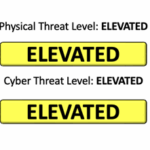
The FB-ISAO’s sponsor Gate 15 publishes a daily newsletter called the SUN. Curated from their open source intelligence collection process, the SUN informs leaders and analysts with the critical news of the day and provides a holistic look at the current global, all-hazards threat environment. Ahead of the daily news cycle, the SUN allows current situational awareness into the topics that will impact your organization.