
Faith-Based Daily Awareness Post 2 February 2026
Faith-Based Security Headlines
These updates are shared to help raise the situational awareness of Faith-Based organizations to best defend against and mitigate the impacts from all-hazards threats including physical security, cybersecurity, and natural disasters.
Lefty radicals’ storm Jewish temple and hurl obscenities, mock LI Dem Rep. Suozzi over his vote to boost ICE funding
Activists from a group called Climate Defiance entered Temple Beth Sholom in Roslyn, New York, during a speaking engagement by Representative Tom Suozzi and disrupted the event to express opposition to his recent support for a homeland security funding package that included increased funding for Immigration and Customs Enforcement (ICE). The protesters brought props (e.g., diapers, kneepads) and directed mockery and profanities at Suozzi during the event. The disruption drew attention online, including widely viewed video content.
Analyst Comments: This incident adds to a growing pattern in which houses of worship are increasingly viewed as high-visibility venues for protest activity, particularly when religious spaces host public officials or civic events. Regardless of ideology or issue area, these disruptions signal a shift in protest tactics toward spaces traditionally considered neutral, protected, or communal. For faith-based institutions, this trend underscores the need to reassess event planning, situational awareness, and coordination with local partners not to limit expression, but to preserve the safety, dignity, and intended purpose of religious gatherings. The recurring nature of such incidents suggests this is less about any single cause and more about evolving protest norms, where symbolic settings are leveraged to maximize attention and impact.
What multiple ICE protests at churches tell us about the current threat environment
The piece argues that recent anti-ICE demonstrations at houses of worship reflect a significant shift in protest activity, with churches and synagogues increasingly seen as acceptable venues for political pressure rather than places to be avoided. It highlights several incidents, including protesters entering a church in St. Paul, Minnesota, disrupting a service, as well as disruptions at a Jewish synagogue on Long Island and a protest outside Harvest Riverside Church in Southern California. In each case, activists focused on perceived connections between religious gatherings and immigration enforcement rather than directly targeting government sites. The author suggests these events show a lowering threshold for targeting religious institutions, where merely hosting events or having congregants with government ties can trigger protest actions. The article frames these trends as part of a changing “threat environment” for churches, urging awareness, unity, and preparation rather than panic, and grounding the discussion in scriptural calls for vigilance and faithfulness.
Analyst Comments: These incidents underscore a broader security and resilience challenge for houses of worship. Faith-based institutions are visible, accessible community spaces, which can make them focal points for emotionally charged demonstrations regardless of intent. Even when protests are nonviolent, unexpected disruptions can create safety concerns for congregants, strain volunteer staff, and challenge a congregation’s ability to maintain a calm, welcoming environment. From a preparedness perspective, this reinforces the value of clear communication protocols, situational awareness training for greeters and clergy, and pre-established relationships with local authorities—measures that help communities respond thoughtfully and proportionately while preserving their core mission of worship, care, and hospitality.
Attack on Chabad headquarters highlights security failures in New York
A 36‑year‑old man from Carteret, New Jersey, was arrested after repeatedly driving his car into the Chabad‑Lubavitch World Headquarters synagogue complex at 770 Eastern Parkway in Brooklyn, New York, causing damage but no reported injuries. Surveillance and witness reports indicate he parked blocks away, removed barriers and snow, and then intentionally struck the building’s entrance multiple times while people were inside for a significant religious observance; police are investigating the incident as a possible hate crime and have charged him with multiple counts including attempted assault and criminal mischief. In the months prior to the ramming, the same individual had visited Chabad institutions in New Jersey seeking spiritual engagement or guidance, and at least once was rebuffed and police were called to a Chabad house there, illustrating a pattern of concerning interactions with the community before the attack.
Analyst Comments: This case highlights two intersecting concerns for religious communities and public safety: the challenge of distinguishing between individuals with complex personal histories including mental‑health issues and prior benign contact with a place of worship & the risk of deliberate, harmful conduct targeting institutions during moments when they draw larger congregations. The fact that the suspect had engaged with the community previously before carrying out a destructive act underscores the difficulty in assessing and mitigating threats posed by persons whose behavior does not fit a clear profile. It also emphasizes the importance of proactively evaluating security measures at religious centers, not only to respond to overt threats but to adapt to evolving risk dynamics where patterns of prior contact may precede violence. Maintaining robust threat assessment protocols, community awareness, and proportionate protective measures can help balance the open, welcoming nature of religious institutions with responsibilities to congregant safety.
Resource: CISA’s Vehicle Ramming Self-Assessment Tool
Building an Intelligence Team for Your House of Worship
When: February 4, 2026, 12:00 PM ET.
Register here.
This session is part of an FB-ISAO–led program, developed and delivered by our team to support faith-based organizations in building stronger threat awareness and intelligence capabilities.
The Mission and Purpose of an Intelligence Team and Program session will explore key questions such as:
- What is the local threat to my house of worship?
- Which threat actors or adversaries might support, plan, or carry out a malicious act in my area?
During the session, FB-ISAO panelists will discuss how broader contextual information—including global developments—can be used to better assess and understand local risks facing houses of worship. The discussion will focus on helping faith-based organizations determine:
- What information they need,
- Where to find that information, and
- How to process it in a meaningful, useful, and actionable way.
More Faith-Based Stories
- Dozens of faith leaders arrested in Washington protest against Trump immigration policies
- Faith leaders urge Christians to avoid partisanship amid ongoing unrest in Minnesota, call for ICE pause
- Anti-ICE church sign gets a chilly reception
- Protesters storming a church in Minnesota draw firm responses in Colorado Springs
- Hundreds attend California church’s workshop on responding to ICE raids
- Joint Statement of Federal Law Enforcement Agencies Regarding Pilgrim Rest Missionary Baptist Church Fire
- Southern Dallas church catches fire Friday night
- CA: Nearly 100 firefighters battle blaze at boarded-up San Pedro church
- CO: Suspect arrested in vandalism of Denver church blocks away from another damaged church
- AL: 100+ year old St. Clair County church determined to be total loss after fire
- What are hidden gaps in church background checks?
- Pastor exploring additional safety measures following shooting of 18-year-old at church gym
- Protecting your charity: Voluntary steps to comply with anti-terrorism laws
- Israeli NGO uncovers online terror plot targeting Jews during US Passover, shares data with FBI
- Five people, including 6-year-old, shot during Clinton Mardi Gras parade; arrests made
- Speaker Johnson faces tough choices on partial government shutdown and debate over ICE
- 2026 Homeland Security Threat Forecast: Part III, Systemic Risks
- California Is Taking Action to Strengthen Cybersecurity with Grant Program
- FAA and FBI Announce Strict ‘No Drone Zones’ for Super Bowl LX
- What South Carolina’s soaring measles outbreak means for the rest of the U.S.
- S. life expectancy hit an all-time high in 2024, CDC says
More Security-Focused Content

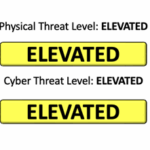
The FB-ISAO’s sponsor Gate 15 publishes a daily newsletter called the SUN. Curated from their open source intelligence collection process, the SUN informs leaders and analysts with the critical news of the day and provides a holistic look at the current global, all-hazards threat environment. Ahead of the daily news cycle, the SUN allows current situational awareness into the topics that will impact your organization.