
Faith-Based Daily Awareness Post 2 September 2026
Faith-Based Security Headlines
These updates are shared to help raise the situational awareness of Faith-Based organizations to best defend against and mitigate the impacts from all-hazards threats including physical security, cybersecurity, and natural disasters.
$1.6M stolen from UMC regional body through cyberattack
More than $1.6 million was stolen from the United Methodist Church New England Conference after criminals posed as bank representatives and gained access to the conference’s online banking system. The cybersecurity incident occurred on August 5, and the stolen funds came from the conference’s operating account through multiple wire transfers to assorted global accounts. In an August 13 letter, New England Bishop Thomas Bickerton said the conference is working with the FBI, Secret Service, their insurance carrier, and specially assigned legal counsel with cybercrime expertise. As of the letter, approximately $200,000 had been recovered. Bickerton said the conference is reviewing internal financial and staff policies to prevent further crimes, while emphasizing that ministries and financial obligations will continue uninterrupted.
Analyst Comments: This incident highlights the financial exposure facing faith-based organizations and houses of worship that manage operating accounts, donor funds, payroll, insurance payments, grants, and vendor transactions. Social engineering can quickly become a major financial loss when banking access and payment approvals are compromised. The loss illustrates the importance of prevention-focused financial controls.
- Use multifactor authentication for banking, email, accounting, and admin accounts.
- Verify wire transfers, payment changes, and bank requests through a trusted contact method.
- Limit financial-system access and review permissions regularly.
- Separate payment initiation and approval duties.
- Train staff and volunteers to spot impersonation attempts.
- Keep incident-response contacts for law enforcement, banks, insurers, legal counsel, and IT providers.
- Review cyber insurance, wire-transfer policies, and account-monitoring procedures.
When the Camera Comes to Shul: Dealing With “First Amendment Auditors”
First Amendment auditors are individuals who film public-facing spaces, including houses of worship, to test how people respond and sometimes to generate online content. In the incident described in this Times of Israel blog, a man filmed a synagogue from public property for about 90 minutes, including the building, congregants, vehicles, and security personnel, while refusing to explain his purpose beyond claiming a constitutional right to film. The article emphasizes that while filming from a public sidewalk is generally lawful, U.S. synagogues still need to treat prolonged or unusual surveillance seriously because legally protected photography and hostile surveillance can initially appear similar.
The recommended response is calm observation rather than confrontation: avoid arguing, do not disclose security procedures, protect the property line, document behavior, and escalate based on specific actions such as trespassing, threats, door testing, following congregants, or repeated appearances.
Analyst Comments: This incident highlights a challenge for houses of worship: activity that may be lawful, such as filming from a public sidewalk, but still creates concern when it involves behavior like pre-attack reconnaissance. Houses of worship benefit from having a plan for First Amendment Auditors, including who communicates with the individual, when police are contacted, how incidents are documented, and how
- Observe from a safe distance and avoid arguments about legal rights.
- Do not share details about cameras, guards, firearms, access procedures, or occupancy.
- Keep the individual off private property and restricted areas.
- Document time, location, description, behavior, statements, duration, and vehicle information if safely available.
- Contact police based on behavior, including threats, trespassing, door testing, following congregants, or repeated appearances.
- Remind staff, volunteers, and congregants not to confront, follow, or film the person in a way that escalates the incident.
Weekly Security Sprint EP 172. Alphabet soup month, cyber protections, leadership engagement and more!
The Gate 15 Security Sprint is a weekly rundown of the week’s notable all-hazards security news, risks and threats and some of the key focus areas for organizations to consider behind the headlines. Gate 15 team members discuss physical security, cybersecurity, natural hazards, health threats and other issues across our environment.
In this week’s Weekly Security Sprint Dave and Andy discuss, Iran hackers: Minnesota ‘warning’ ignored, ‘critical events’ to hit 3 U.S. infrastructure sectors, A Tale of Two SOCs: Insights from Two Red Team Assessments, and Institutional Wilful Blindness, NCSC Cyber Series.
Information on other Gate 15 podcasts can be found at Podcasts (gate15.global).
More Faith-Based Stories
- NY: Jewish Man Attacked in Manhattan in Antisemitic Assault; Suspect Arrested
- MA: Priest attacked with beer can inside New Bedford church during confession
- NY: Man Arrested After Threats to ‘Kill Jewish Children’ in Crown Heights
- VT: 3 charged in fight outside house of worship in Montpelier
- MS: Police crack down after thieves target 30 St. Louis churches
- MS: Crews responding to fire at Lucedale church; nearby school dismissed
- MT: Poplar church fire destroys historic cathedral; cause under investigation
- MS: George County church has ‘extensive damage’ after electrical fire
- LA: Columbia Man Pleads Guilty to Federal Arson for Burning St. John’s Chapel in Caldwell Parish
- Teen mosque shooter on FBI radar days before San Diego attack, lawsuit alleges
- Illinois State Police release bodycam video of July 5th shooting at Effingham church
- How One State Is Making Churches Safer
- RUS: Man Shot Dead After Attacking People at Moscow Church
- Tucson Gay Bar Shooting Investigated as Possible Hate Crime
- Affidavit: North Side man accused of using AI program to plan mass shooting at elementary school
- FEMA Bulletin Week of September 1, 2026
- CISA Communicating Under Pressure: Best Practices for Service Providers
- Responsible AI in 2026: How we are adapting for what’s ahead
- Security Leaders Share Advice for Insider Threat Awareness Day
- Leading Through Trust: Building Stronger Teams Through Engagement and Open Communication
More Security-Focused Content

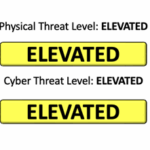
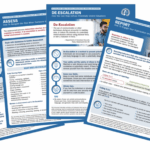

The FB-ISAO’s sponsor Gate 15 publishes a daily newsletter called the SUN. Curated from their open source intelligence collection process, the SUN informs leaders and analysts with the critical news of the day and provides a holistic look at the current global, all-hazards threat environment. Ahead of the daily news cycle, the SUN allows current situational awareness into the topics that will impact your organization.