
Faith-Based Daily Awareness Post 20 January 2026
Faith-Based Security Headlines
These updates are shared to help raise the situational awareness of Faith-Based organizations to best defend against and mitigate the impacts from all-hazards threats including physical security, cybersecurity, and natural disasters.
Can anti-ICE protesters who disrupted church service be charged?
On January 18, 2026, about three dozen anti-ICE protesters entered Cities Church in St. Paul, Minnesota, interrupting a Sunday worship service to protest local and federal immigration enforcement and to call out what they said was one of the church’s pastors alleging that he also served as the acting director of the local ICE field office and was connected to aggressive enforcement operations, including the fatal shooting of Renee Good by an ICE agent. The disruption included loud chants and confrontations that forced the service to end early.
Reactions were sharply divided, with some congregants and conservative Christian leaders condemning the action as a violation of sacred worship space, while other religious figures and activists defended the protest as an expression of conscience. The U.S. Department of Justice has launched an investigation into whether the protesters’ actions violated federal law (including the Freedom of Access to Clinic Entrances Act) and indicated potential charges, but legal experts note First Amendment protections make prosecution legally complex.
Analyst Comments: From a security and safety perspective, this incident underscores that houses of worship can be affected by spontaneous, issue-driven disruptions even when they are not the primary target of hostility. Protests entering indoor worship spaces introduce risks related to crowd control, emotional escalation, and the potential for misunderstandings or physical confrontations between protesters and congregants. While the event remained non-violent, the sudden interruption highlights how quickly routine services can be disrupted and how challenging it can be for staff or volunteers to respond in real time.
Additionally, the situation illustrates the importance of clear procedures for handling disruptions that fall outside traditional crime or threat models. Faith organizations may benefit from reviewing de-escalation practices, identifying who has authority to address intrusions, and ensuring coordination with local authorities when services are interrupted. It is also important to establish who holds final decision-making authority to pause or end a service early, so that responses are timely, consistent, and not made ad hoc under stress. Clearly defining this role in advance can reduce confusion, limit escalation, and help staff and volunteers act with confidence during unexpected disruptions. Even when incidents are rooted in broader social issues rather than direct hostility toward a faith community, they remain an ever-present, low-level risk that can impact safety, continuity of services, and the sense of security among congregants.
The Gate 15 Interview EP 66: Chris Camacho: Cyber Risk, Building Communities, Nirvana, and Peruvian Chicken
The Gate 15 Interview is a monthly interview between Gate 15’s Founder and Managing Director, Andy Jabbour and guests from throughout the homeland security risk management community addressing a wide range of all-hazards topics and issues.
In this month’s Gate 15 Interview Andy Jabbour speaks with Chris Camacho Abstract Security’s Co-Founder and Chief Operating Officer. Andy and Chris discuss:
- Chris’s background and the road from financial services to becoming a vendor.
- Chris shares some threat perspective from deepfakes to the complexities of geopolitics and polarization.
- Chris talks about managing ever-increasing amounts of data and how Abstract Security is helping organizations to reduce risk.
- We discuss the idea of AI SOCs helping to enhance security operations.
- The importance of community building: from trust groups and ISACs to C2 Corner to in-person meet-ups!
- Chris shares some career advice
Information on other Gate 15 podcasts can be found at Podcasts (gate15.global).
Building an Intelligence Team for Your House of Worship
When: February 4, 2026, 12:00 PM ET.
Register here.
The Mission and Purpose of an Intelligence Team and Program session will pose the questions:
- What is the local threat to my house of worship?
- Which threat actors/adversaries might support/plan/carry out a malicious operation in your area?
During this session we’ll discuss how broad context information (including global information) can help assess threats locally in our own houses of worship. Specifically, panelists will focus on helping houses of worship determine:
- What information they need.
- Where to find the information.
- How to process the information in a meaningful/useful/actionable way.
Throughout the first half of 2026, FB-ISAO will host a six-session discussion series on how faith-based organizations can build and operate their own intelligence group. Join us each month to discuss:
- (Recording available in FB-ISAO Slack) January 7, 2026: The nature of intelligence as it relates to HOW decision making and security practices. What do we mean by intelligence and why do we need it?
- February 4, 2026: The mission and purpose of a HOW-centric intelligence team.
- March 4, 2026: The roles and skill sets needed to be effective, whether you have a team or an army of one, and the organizational structure and workflow.
- April 1, 2026: The sources and methods of local intelligence collection and analysis.
- May 6, 2026: Expanding your horizon to consider additional atypical threats, man-made and natural disasters, to prepare for all-hazards.
- June 3, 2026: Operationalizing your intelligence team.
More Faith-Based Stories
- Michigan church gunman previously called in bomb threats, 911 says
- Bishop Warns of Possible “New Era of Martyrdom” After ICE Shooting Near Parish
- Prosecutors’ court filings detail alleged rampage at Staten Island church
- NYPD increasing presence at churches after incidents at Staten Island Catholic parishes
- Fire damages North Portland Jehovah’s Witnesses Kingdom Hall
- Car crashes into San Francisco church, injuring multiple people
- Rally scheduled to protest ICE’s detention of church deacon
- Black church leaders aid Minneapolis, seek laws curtailing masks on federal agents
- Religious Freedom Day, 2026
- Manitoba launches $1M security fund for religious and cultural institutions
- Indiana judge and wife injured in shooting at home
- ‘F— around and find out’: DOJ alleges Trump threat suspect said officials would ‘lose their heads’ over ‘Epstein files’
- Minneapolis immigration crackdown and arrests heighten tension
- Insider risk in an age of workforce volatility
- LinkedIn is a hunting ground for threat actors
- US flu activity declining but remains high
- US Overdose Deaths Fell Through Most of 2025, Federal Data Reveal
More Security-Focused Content

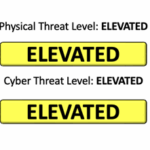
The FB-ISAO’s sponsor Gate 15 publishes a daily newsletter called the SUN. Curated from their open source intelligence collection process, the SUN informs leaders and analysts with the critical news of the day and provides a holistic look at the current global, all-hazards threat environment. Ahead of the daily news cycle, the SUN allows current situational awareness into the topics that will impact your organization.