
Faith-Based Daily Awareness Post 21 September 2026
Faith-Based Security Headlines
These updates are shared to help raise the situational awareness of Faith-Based organizations to best defend against and mitigate the impacts from all-hazards threats including physical security, cybersecurity, and natural disasters.
DHS updates FY 2026 grant terms and conditions following policy changes and court orders
DHS has updated its FY 2026 grant rules, including requirements for spending, reporting, cybersecurity, environmental reviews, and certain equipment. Members should review their award documents; those with a grant writer on staff can consult them for the details.
Analyst Comments: Faith-based and other nonprofit organizations that receive DHS funding should consider reviewing the revised conditions with staff before accepting or spending award funds. Attention should be given to new drone restrictions, cybersecurity and information-sharing duties, environmental review requirements, reporting and recordkeeping, and clauses allowing DHS to suspend or terminate awards for noncompliance. Organizations should consider comparing the terms with their funding opportunity and award documents. As well as update relevant policies and agreements, record key compliance decisions, and ask the awarding office to clarify any conflicts.
U.S. embassies in Middle East issue security alerts for Americans amid “potential for unforeseen escalation” in conflict
U.S. embassies across the Middle East issued security alerts urging American citizens to exercise heightened vigilance because regional tensions could escalate unexpectedly and disrupt flights, airspace, and travel. Although the alerts cited no specific threat, they pointed to intensifying combat between Saudi Arabia and Iran-backed Houthi militants in Yemen. This included the reported interception of a ballistic missile aimed at Riyadh and increased Houthi control along Yemen’s Red Sea coast and the strategically important Bab al-Mandab Strait. Recent drone attacks also damaged Saudi Arabia’s East-West oil pipeline, while Houthi forces reportedly attempted to restrict access to Saudi ports. The warnings were posted by U.S. embassies in Israel, Saudi Arabia, Iraq, Kuwait, Lebanon, Jordan, Bahrain, the United Arab Emirates, and Qatar amid concerns that further escalation could affect regional security and place additional pressure on global energy supplies.
Analyst Comments: The alerts create immediate planning concerns for houses of worship sponsoring mission trips to the Middle East.
Congregations can reduce exposure by:
- Confirming traveler locations and contact information
- Establishing decision points for postponement or early departure
- Identifying alternate routes
- Maintaining an emergency communications plan.
Trip leaders can also verify medical and evacuation coverage, coordinate with host organizations, register travelers for State Department alerts, and prepare a plan for sheltering in place if travel becomes unsafe. Leadership may need to reassess whether the mission objective can be met remotely or through local partners until conditions stabilize.
More Faith-Based Stories
- GA: Bleckley sheriff says juvenile held after school threat also made (unspecified) church threat
- IL: Bloomington man sentenced to 12 years for Sword & Song Church burglary in 2025
- MA: Boston woman shouts antisemitic slurs at Jews heading to synagogue
- NC: Police reviewing antisemitic drawings found at Clayton park
- CA: Antisemitic graffiti vandals strike again in Imperial Beach
- Attacks on synagogues were part of massive ISIS-inspired plot by Pittsburgh-area man, FBI says
- Arizona Church Wired Over $2 Million to Rwanda in $60 Million Medicaid Fraud Case
- Canada: SIU investigating after 2 injured, including a police officer, in shooting near Belleville synagogue
- Ukrainian admitted guilt in mosque vandalism in London. He was recruited by a Russian
- Australia: Teen charged after FBI flags violent posts targeting Jews, Muslims and migrants
- US military had close call after using AI for false intelligence report, sources say
- S. and China Are Developing A.I. Systems to Warn of Nuclear Attacks
- CISA Hosts Cyber Storm X, Nationwide Cybersecurity Exercise to Strengthen Resilience
- Critical Infrastructure Resilience for Escalated Threats Navigation initiative
- Rare September nor’easter could bring rain, wind and waves to East Coast
More Security-Focused Content

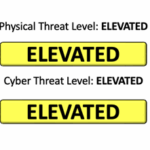
The FB-ISAO’s sponsor Gate 15 publishes a daily newsletter called the SUN. Curated from their open source intelligence collection process, the SUN informs leaders and analysts with the critical news of the day and provides a holistic look at the current global, all-hazards threat environment. Ahead of the daily news cycle, the SUN allows current situational awareness into the topics that will impact your organization.