
Faith-Based Daily Awareness Post 23 October 2026
Faith-Based Security Headlines
These updates are shared to help raise the situational awareness of Faith-Based organizations to best defend against and mitigate the impacts from all-hazards threats including physical security, cybersecurity, and natural disasters.
Utah Man Charged with Attempted Hate Crime, and other Crimes After Allegedly Making Online Threats to “blow up” a Synagogue
Federal prosecutors indicted Skyler AJ Rose, 22, of Ogden, Utah, on multiple charges including attempted hate crime, making explosive threats, and possessing unregistered destructive devices after he allegedly posted online threats in December 2025 about bombing a synagogue. Authorities traced the posts to his residence and said a search recovered six functional pipe bombs, one inert device, bomb-making materials, two rifles, magazines, ammunition, and a cellphone.
Investigators also allege the cellphone showed Rose had searched for a nearby synagogue and contained child sexual abuse material. The FBI and Ogden City Police led the investigation with support from several other agencies. The charges remain allegations, and Rose is presumed innocent unless proven guilty beyond a reasonable doubt.
Analyst Comments: This case underscores the importance of promptly reporting specific or escalating threats and maintaining established information-sharing relationships with law enforcement. The alleged combination of online targeting, research into a nearby synagogue, and access to weapons and explosive devices illustrates how digital threat indicators may correspond with potential physical-world capabilities.
Faith-based organizations should consider:
- Ensuring staff know how to document and report concerning communications
- Review emergency and suspicious-activity procedures
- Coordinate with local public-safety partners while avoiding assumptions about unverified threats.
Additional Readings:
- Utah man charged with attempted hate crime after alleged threat to ‘blow up’ synagogue
- Utah man searched Google Maps for synagogue after allegedly threatening to bomb one, prosecutors say
- Utah man found with pipe bombs charged with threat to ‘blow up’ synagogue
Churches, synagogues win appeal in fight over immigration raids at churches, houses of worship
A federal appeals court ruled that religious organizations likely have standing to challenge the Trump administration’s decision to rescind restrictions on immigration enforcement at “sensitive” locations such as houses of worship and schools. The court reversed a lower court’s denial of a preliminary injunction and sent the case back for further consideration, finding that the groups plausibly face imminent harm from increased enforcement near their congregations. The plaintiffs, including27 Christian, Jewish and other religious organizations, argue that the policy violates the First Amendment, the Religious Freedom Restoration Act, and the Administrative Procedure Act.
Analyst Comments: The ruling is procedural and does not resolve the underlying legal challenge or permanently restore the prior sensitive-locations policy. However, continued litigation and the possibility of differing court orders may create uncertainty for faith-based organizations regarding immigration-enforcement activity at or near their facilities. Organizations should consider monitoring authoritative legal and agency guidance, identifying appropriate points of contact for law enforcement and legal counsel, and ensuring staff are trained in clear procedures for receiving law enforcement, protecting congregants’ privacy, and documenting relevant incidents.
More Faith-Based Stories
- NY: Russian speaking woman stabbed Jewish man with a needle in a possible hate motivated attack
- Florida man accused of threatening to ‘hunt’ Jews ordered held pending trial
- NY: Young Israel of West Hempstead synagogue is vandalized, arrest made
- MI: Thieves steal brass Jesus, crosses, and other items from Kansas City church
- Virginia man charged after Troup County church loses more than $60,000 in scam
- Massachusetts Opens $4.465 Million Nonprofit Security Grant Program: Apply by November 20, 2026
- NZ: Serious injuries after assault outside Tākaka church
- (TLP:CLEAR) First-of-its-Kind Study Provides Insights into Challenges Facing Emergency Management Agencies Across the Nation
- France to deploy 70,000 officers as it braces for weekend of protests – Europe live
- PHP2Shell and what the AI headlines are missing
- M365 Token Spray and Replay Campaign Compromises Business Email Accounts
- HSI issues warning about financial scam targeting attorneys
- Scammers are finding new ways to target your phone. Here are 5 ways to protect yourself
- Signals of Contact: What Signal Desktop Keeps After You Delete a Chat
- Q3 2026 Threat Update: Attackers Are Exploiting Vulnerabilities Within 3 Days
- What OT resilience failure costs the business
- The State of Physical and Digital Identity in the Enterprise
- Why Facility Leaders Cannot Afford To Skip Identity Verification
More Security-Focused Content

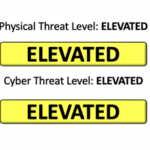
The FB-ISAO’s sponsor Gate 15 publishes a daily newsletter called the SUN. Curated from their open source intelligence collection process, the SUN informs leaders and analysts with the critical news of the day and provides a holistic look at the current global, all-hazards threat environment. Ahead of the daily news cycle, the SUN allows current situational awareness into the topics that will impact your organization.