
Faith-Based Daily Awareness Post 24 February 2026
Faith-Based Security Headlines
These updates are shared to help raise the situational awareness of Faith-Based organizations to best defend against and mitigate the impacts from all-hazards threats including physical security, cybersecurity, and natural disasters.
Feds prevent faith leaders from providing pastoral care to detainees at Whipple, lawsuit says
A federal lawsuit filed on Feb. 23 challenges the Department of Homeland Security and U.S. Immigration and Customs Enforcement for barring faith leaders from entering the Bishop Henry Whipple Federal Building in Minneapolis to provide prayer, pastoral care, and spiritual support to people held there during immigration processing. Plaintiffs, including religious organizations like the Minneapolis Area Synod of the Evangelical Lutheran Church and clergy such as Jesuit priest Father Christopher Collins, say they’ve repeatedly been denied entry to minister to individuals, including on religious holy days like Ash Wednesday. According to the complaint, ICE cited “security” and “safety” as reasons to stop clergy from reaching detainees, even as they have attempted this multiple times weekly since Operation Metro Surge began. The lawsuit alleges this blanket denial violates the First Amendment and the Religious Freedom Restoration Act, asserting that spiritual care is a fundamental right for both ministers and those in custody. Federal authorities have responded that the Whipple building functions as a processing field office, not a detention facility, and that pastoral access isn’t standard there, though religious services are permitted at formal detention centers.
Analyst Comments: This case highlights a significant clash between immigration enforcement procedures and constitutional protections surrounding religious liberty. From a security standpoint, direct operational impacts for most member organizations are likely minimal. Organizations, faith communities, or advocacy groups that take a public and visible role in pushing for pastoral access could experience increased attention in a heightened political environment. That visibility may bring peaceful demonstrations, counter-protests, media presence, or online rhetoric that requires basic preparedness. While this does not suggest elevated threat levels by default, it does warrant standard event security planning, coordination with local authorities when appropriate, monitoring of public communications channels, and clear internal response protocols.
States feel the squeeze of CISA shutdown
As the Department of Homeland Security (DHS) remains unfunded during the current appropriations lapse, its cybersecurity arm the Cybersecurity and Infrastructure Security Agency (CISA) is operating with significantly reduced staffing and capacity. Many employees are furloughed or working without pay, limiting the agency’s ability to conduct proactive vulnerability scanning, partner engagement, training exercises, and broader coordination with state and local governments. Because states and local entities rely on CISA for threat intelligence sharing, technical assessments, grant support, and incident coordination, the operational slowdown is creating gaps in domestic cybersecurity preparedness both in the public and private sectors. While essential monitoring and select mission-critical functions continue, many preventative and capacity-building activities are paused, placing additional strain on state and local cybersecurity teams.
Analyst Comments: The shutdown for CISA highlights a broader vulnerability in U.S. of how federal appropriations disputes can ripple outward to weaken national defense, including state and local systems that depend on federal coordination and resources. When an agency like CISA, which was established to serve as a hub for threat intelligence sharing and joint cyber defense exercises, is significantly reduced in operations, the risk environment for election systems, power grids, water treatment plants, health networks, and other critical infrastructure sectors increases. States with limited budgets may be forced to divert scarce resources to fill gaps, scaling unevenly and creating a patchwork of readiness that adversaries can exploit. The pause in funding for programs and training erodes institutional momentum and could have lasting consequences for public–private defense ecosystems if prolonged.
Skills and Roles of the Intelligence Analyst
When: March 4th 12:00 E.T.
The third session of the Building an Intelligence Team Series. The roles and skill sets needed to be effective, whether you have a team or an army of one, and the organizational structure and workflow.
About the series. “Intelligence” often conjures images of secret agents working in the shadows to protect national security. Intelligence isn’t just for government agents, with a little guidance, anyone can do it! Intelligence involves a systematic process of collecting, analyzing, and using information to anticipate, detect, and prevent threats before they cause harm. This process helps decision makers weigh alternatives and make threat-informed, fact-based choices via enhanced situational awareness. By leveraging intelligence, houses of worship can enhance their overall safety and security, ensuring their spaces remain welcoming sanctuaries for worship – yet prepared for potential incidents.
Throughout the first half of 2026, FB-ISAO will host a six-session discussion series for members on how faith-based organizations can build and operate their own intelligence group.
More Faith-Based Stories
- CA: Buddhist Church of Sacramento vandalized with white nationalist symbols
- VA: ‘A hate crime:’ Sen. Michael Jones calls for action after racial slur is written on church in Midlothian
- VA: Firefighters respond to church, vehicle fires Saturday
- Pastor killed in west Houston shooting was accidentally shot by man who lived with him, HPD says
- KY Worship Pastor Dies By Suicide After Being Charged With Child Sex Abuse
- The U.S. moves more than a hundred planes to Europe and Middle East
- FBI Investigative Update of the Mar-a-Lago Fatal Officer-Involved Shooting on February 22, 2026
- Musk’s xAI and Pentagon reach deal to use Grok in classified systems
- EXCLUSIVE: Space Force’s role in Iran, Venezuela raids fueling push for more resources
More Security-Focused Content

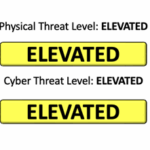
The FB-ISAO’s sponsor Gate 15 publishes a daily newsletter called the SUN. Curated from their open source intelligence collection process, the SUN informs leaders and analysts with the critical news of the day and provides a holistic look at the current global, all-hazards threat environment. Ahead of the daily news cycle, the SUN allows current situational awareness into the topics that will impact your organization.