
Faith-Based Daily Awareness Post 25 February 2026
Faith-Based Security Headlines
These updates are shared to help raise the situational awareness of Faith-Based organizations to best defend against and mitigate the impacts from all-hazards threats including physical security, cybersecurity, and natural disasters.
Gunman shoots prominent Utah imam in apparent targeted attack
In Sandy, Utah, a masked gunman fired multiple shots at the car of Imam Shuaib Din, a prominent Muslim leader of the Utah Islamic Center, as he left his home during the evening in Ramadan; he was unharmed, but his vehicle was struck several times, and police are treating the incident as a possible hate crime, investigating with help from the FBI and seeking leads on the suspect’s vehicle. In response, the Council on American-Islamic Relations (CAIR) has offered a $5,000 reward for information leading to an arrest and conviction and called for increased police protection for Din and the broader Muslim community.
Additional Links:
Analyst Comments: The attempt on a faith leader’s life, especially during Ramadan, highlight a concern about threats to religious minorities and community safety in the U.S. The event has already spurred calls for heightened security at the Utah Islamic Center and public pressure on authorities to quickly identify and arrest a suspect, showing how incidents like such can erode feelings of safety and amplify tensions.
Beyond this specific community, the incident underscores broader security challenges faced by religious institutions nationwide, particularly during significant religious holidays when gatherings are larger and more visible. Faith leaders often become targets because their public roles make them highly visible, and attacks on them can have outsized psychological and communal impact. Ensuring robust security measures during these periods including coordination with law enforcement, awareness campaigns, and threat monitoring can help mitigate risks and protect both leaders and their congregations.
It’s not over: Cyber info-sharing center begins next chapters after losing federal funding
The Multi-State Information Sharing and Analysis Center (MS-ISAC), a long-standing information-sharing hub for state, local, tribal, and territorial (SLTT) governments’ cybersecurity defenses, has transitioned to a paid membership model after losing roughly $10 million in annual federal funding when the Department of Homeland Security and Cybersecurity and Infrastructure Security Agency (CISA) ended their cooperative agreement in 2025. Despite the funding cut, MS-ISAC now counts 24 states and about 3,00 individual organizations as dues-paying members or paid users of services and has launched “MS-ISAC Connect” to enable broader access to threat data, events, and community connections even for non-paying entities. While core services like threat intelligence and incident response support are expected to continue, the shift raises uncertainty about how smaller, resource-limited governments will maintain robust cybersecurity.
Analyst Comments: This development reflects a larger inflection point in U.S. cybersecurity governance: federal retreat from direct funding of a cornerstone information-sharing institution has forced SLTT governments to absorb more of the costs and responsibilities of defending against increasingly sophisticated threats. For well-resourced states and agencies, the new dues model may be manageable and keep operations viable. But for smaller jurisdictions, including many counties, cities, and public institutions that historically depended on free federal-sponsored services, this transition could widen the gap in cyber defensive capabilities, reduce access to timely threat intelligence, and undermine collective resilience. The MS-ISAC’s efforts to maintain engagement through public access points like MS-ISAC Connect are a recognition of this challenge, but without predictable, broad-based funding, the cybersecurity ecosystem risks becoming uneven and fragmented.
Skills and Roles of the Intelligence Analyst
When: March 4th 12:00 E.T.
The third session of the Building an Intelligence Team Series. The roles and skill sets needed to be effective, whether you have a team or an army of one, and the organizational structure and workflow.
About the series. “Intelligence” often conjures images of secret agents working in the shadows to protect national security. Intelligence isn’t just for government agents, with a little guidance, anyone can do it! Intelligence involves a systematic process of collecting, analyzing, and using information to anticipate, detect, and prevent threats before they cause harm. This process helps decision makers weigh alternatives and make threat-informed, fact-based choices via enhanced situational awareness. By leveraging intelligence, houses of worship can enhance their overall safety and security, ensuring their spaces remain welcoming sanctuaries for worship – yet prepared for potential incidents.
Throughout the first half of 2026, FB-ISAO will host a six-session discussion series for members on how faith-based organizations can build and operate their own intelligence group.
Weekly Security Sprint EP 147. Managing Crisis, Physical Security Incidents, and Resilience
The Gate 15 Security Sprint is a weekly rundown of the week’s notable all-hazards security news, risks and threats and some of the key focus areas for organizations to consider behind the headlines. Gate 15 team members discuss physical security, cybersecurity, natural hazards, health threats and other issues across our environment.
In this week’s Weekly Security Sprint Dave and Andy covered the following topics:
- Cyber Resilience: An Incident Doesn’t Have to Be a Crisis
- Violence & Extremism
Information on other Gate 15 podcasts can be found at Podcasts (gate15.global).
Nerd Out EP 67. Mexico, Iran, Extremists and Knights
The Gate 15 Nerd Out! Security Panel Discussion, moderated by Dave Pounder, focuses on physical security topics including terrorism, extremism, hostile events, and other pertinent topics.
In this month’s Nerd Out Dave and Alec talked about the weekend violence in Mexico after the death of a drug lord and looked at the ramifications. Then they looked at Iran, the other potential hot spot and the similarities. They discussed travel considerations and being aware of potential cyber and physical risk. This led to a further discussion of extremist activity, the growth of Al Qaeda and domestic extremist activity around critical infrastructure. They wrapped up the pod talking about Knights of the Seven Kingdoms and the latest trailers for House of the Dragon and the Mandalorian and Grogu.
Information on other Gate 15 podcasts can be found at Podcasts (gate15.global).
More Faith-Based Stories
- VA: Hate crime? Sen. Michael Jones calls for action after racial slur is written on church in Midlothian
- Justice Department Files Suit Against University of California for Antisemitic Hostile Work Environment
- OK: Trash and debris fire from unhoused individuals causes minor damage to vacant OKC church
- IL: Fire at Christ United Methodist Church causes estimated $100K damage
- Guarding the Flock
- Church Attacks Tracker
- 12-year-old Florida girl posts detailed manifesto about conducting mass shooting at middle school over bullying: Cops
- Chairman Garbarino Opens Hearing on Security Collaboration Ahead of FIFA World Cup, America 250
- DHS warns shutdown would disrupt World Cup security operations
- ISIS teaching recruits how to use AI ‘responsibly’
- AI: The New Insider Threat Facing Organizations
- AccuWeather’s 2026 Severe Weather Season Forecast
- Tornado season: What forecasters expect for severe weather in 2026
More Security-Focused Content

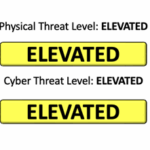
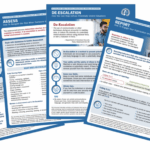

The FB-ISAO’s sponsor Gate 15 publishes a daily newsletter called the SUN. Curated from their open source intelligence collection process, the SUN informs leaders and analysts with the critical news of the day and provides a holistic look at the current global, all-hazards threat environment. Ahead of the daily news cycle, the SUN allows current situational awareness into the topics that will impact your organization.