
Faith-Based Daily Awareness Post 25 March 2026
Faith-Based Security Headlines
These updates are shared to help raise the situational awareness of Faith-Based organizations to best defend against and mitigate the impacts from all-hazards threats including physical security, cybersecurity, and natural disasters.
How scammers are using the Iran conflict to try to steal your money and information
The Federal Trade Commission warns that scammers are exploiting public attention around the Iran conflict to create new variations of common fraud schemes, including impersonation scams, romance scams, and fake charities. These scams may involve messages claiming to be from government officials, military personnel, or aid organizations, often asking for money, donations, or personal information. While the storyline may reference current events, the underlying tactic remains the same: create urgency or emotional appeal to pressure individuals into sending money or sharing sensitive data. The FTC emphasizes that scammers frequently change details but consistently aim to gain financial or personal information, often through unsolicited calls, texts, emails, or social media outreach.
Analyst Comments: The use of timely global incidents allows scammers to exploit uncertainty, fear, or empathy, making individuals more likely to respond without verifying legitimacy. For organizations and individuals alike, the key takeaway is not the specific scenario being used, but the recurring behavioral indicators unsolicited contact, pressure to act quickly, and requests for money or sensitive information which remain consistent across scam types. Strengthening awareness of these patterns and reinforcing verification practices is critical to reducing risk, especially during periods of heightened media attention.
AI and Third-Party Supply Chain Risk
The latest Gate 15 blog in the “Riding the Tiger: AI Threats and Opportunities” series covers AI and third-party supply chain risk, explaining that as organizations increasingly rely on artificial intelligence, they also become dependent on a complex ecosystem of external vendors, tools, data sources, and platforms; many of which are not fully visible or understood. This interconnected “AI supply chain” expands the attack surface and introduces risks that go beyond traditional cybersecurity, including insecure or biased training data, vulnerable pre-trained models, opaque vendor practices, and uncontrolled data access. A key concern is the lack of transparency and oversight into how third parties build, train, and operate AI systems, making it difficult to assess trust, security, and compliance. The article emphasizes that even a single weak link, such as a compromised vendor or poorly governed AI tool, can cascade across systems, leading to data exposure, operational disruption, or reputational damage. Ultimately, it highlights the need for organizations to adopt a more proactive, continuous, and risk-based approach to managing AI-related third-party dependencies, focusing on visibility, governance, and resilience rather than relying on traditional, point-in-time vendor assessments.
Weekly Security Sprint EP 151. Traveling Man, the Return of the Weatherman, and Threat Reports
The Gate 15 Security Sprint is a weekly rundown of the week’s notable all-hazards security news, risks and threats and some of the key focus areas for organizations to consider behind the headlines. Gate 15 team members discuss physical security, cybersecurity, natural hazards, health threats and other issues across our environment.
In this week’s Gate 15 Security Sprint Dave and Andy discuss severe weather, 2026 annual threat assessment of the U.S. Intelligence Community, and Islamic State Group Activity in the US in 2025.
Information on other Gate 15 podcasts can be found at Podcasts (gate15.global).
Nerd Out EP 68. Talking Iran – Preparedness and What Could Come Next
The Gate 15 Nerd Out! Security Panel Discussion, moderated by Dave Pounder, focuses on physical security topics including terrorism, extremism, hostile events, and other pertinent topics.
In this month’s Nerd Out Dave and Alec welcome back some old friends – Bridget Johnson and Joe Levy – to talk about Iran, including the threat tactics and capabilities, how individuals and organizations can be prepared, and what could come next. The group then talked about some pop culture items and what they are currently watching and looking forward to.
Information on other Gate 15 podcasts can be found at Podcasts (gate15.global).
FB-ISAO Education Series: Building an Intelligence Team for your House of Worship
April 1, 2026, 12:00 PM ET: Session 4 will explore the sources and methods of local intelligence collection and analysis.
About the series. “Intelligence” often conjures images of secret agents working in the shadows to protect national security. Intelligence isn’t just for government agents, with a little guidance, anyone can do it! Intelligence involves a systematic process of collecting, analyzing, and using information to anticipate, detect, and prevent threats before they cause harm. This process helps decision makers weigh alternatives and make threat-informed, fact-based choices via enhanced situational awareness. By leveraging intelligence, houses of worship can enhance their overall safety and security, ensuring their spaces remain welcoming sanctuaries for worship – yet prepared for potential incidents.
More Faith-Based Stories
- 2 arrested in connection with London arson attack at Jewish charity
- OR: Hillsboro mosque shooting investigated as hate crime during religious Eid holiday
- CAIR Calls on Feds to Probe Possible Bias Motive for Shooting Targeting Oregon Mosque
- VA: Leesburg church break-in under investigation after window smashed
- OK: TFD responds to fire at Midtown church Tuesday morning
- OH: Cleveland church deacon hospitalized after brutal assault
- Jewish communities boost security and continue observances amid rise in hateful incidents
- Iran/Israel:
- Group threatening U.S. and Israeli interests tied to rise in antisemitic attacks in Europe
- Iran suspected of directing attacks in Europe, creating bogus group to claim responsibility
- Pro-Iranian Nasir Security Is Targeting the Energy Sector in the Middle East
- The Iran War: A Crisis for the Defense Industrial Base Now Too
- The Global Terrorism Spillover of the U.S.-Israel-Iran Conflict
- Operation Roaring Lion | Message to the Israeli Public Ahead of the Spring Holidays
- FBI Nashville Warns Tennesseans About Criminal and Cybercriminal Activity Targeting the Music Industry
- No Kings
- This Company Is Secretly Turning Your Zoom Meetings into AI Podcasts
- Atlantic hurricane season forecast 2026: 11-16 named storms predicted by AccuWeather
More Security-Focused Content

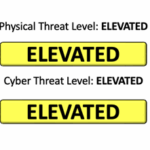
The FB-ISAO’s sponsor Gate 15 publishes a daily newsletter called the SUN. Curated from their open source intelligence collection process, the SUN informs leaders and analysts with the critical news of the day and provides a holistic look at the current global, all-hazards threat environment. Ahead of the daily news cycle, the SUN allows current situational awareness into the topics that will impact your organization.