
Faith-Based Daily Awareness Post 28 July 2026
Faith-Based Security Headlines
These updates are shared to help raise the situational awareness of Faith-Based organizations to best defend against and mitigate the impacts from all-hazards threats including physical security, cybersecurity, and natural disasters.
2026 Cybersecurity Trends in the Age of AI
Artificial intelligence has become a defining factor in cybersecurity, with organizations increasingly viewing AI as both a security enabler and a source of new risk. Arctic Wolf’s AI & Cybersecurity Trends Report 2026 found that 99% of organizations expect AI capabilities to influence cybersecurity purchasing decisions within the next year, while 73% have already integrated AI into their cybersecurity programs. Adoption is particularly high in the United States, where 82% of organizations report using AI for security operations.
The report also highlights that organizations remain cautious about AI implementation despite widespread adoption. Respondents identified data privacy (33%), cost (30%), and concerns about AI effectiveness (28%) as the most significant barriers to broader deployment. More than half (52%) of organizations plan to invest in training employees to work alongside AI technologies. Rather than pursuing AI for its own sake, organizations are increasingly focusing on solutions that integrate into existing security operations, improve visibility, and produce measurable security outcomes without overwhelming already limited security staff.
Analyst Comments: For faith-based organizations, AI presents both an opportunity and a growing operational challenge. Many ministries, schools, charities, and houses of worship operate with limited IT staff, making AI-powered security tools attractive for detecting suspicious activity, filtering phishing emails, and reducing the workload on administrators. Faith-based organizations benefit most when AI is acquired to support well-established security practices, including strong access controls, multi-factor authentication, regular staff awareness training, and tested incident response procedures.
However, the same technology is also making cyber threats more convincing. AI-generated phishing emails, voice impersonation, and fraudulent messages are becoming increasingly difficult to distinguish from legitimate communications, placing greater pressure on employees and volunteers who manage donations, financial transactions, member information, and ministry operations.
Weekly Security Sprint EP 168. Berlin and Event Planning, plus Cyber Reports
The Gate 15 Security Sprint is a weekly rundown of the week’s notable all-hazards security news, risks and threats and some of the key focus areas for organizations to consider behind the headlines. Gate 15 team members discuss physical security, cybersecurity, natural hazards, health threats and other issues across our environment.
In this week’s Weekly Security Sprint Dave and Andy examine the growing need for converged, all-hazards security planning; the rapid growth in high-impact vulnerabilities; AI’s role in accelerating both discovery and exploitation; rising hacktivist activity; the continued targeting of Microsoft Teams and business communications; and a ransomware landscape that remains highly active.
Information on other Gate 15 podcasts can be found at Podcasts (gate15.global).
More Faith-Based Stories
- VT: Barre man pleads not guilty to hate crime against a Jewish man in Hinesburg
- UT: Woman jailed for arson after starting fire at Kaysville church the day before her wedding
- TN: Fire causes ‘severe’ damage to portion of Knoxville church: fire department
- CT: Sanford Buddhist temple holds fundraiser to rebuild after alleged arson
- NM: Albuquerque man charged with 2 counts of aggravated assault near Catholic parish
- NC: Lenoir County Sheriff’s Office Seeking Public’s Assistance in Church Vandalism Investigation
- PA: Greg Locke Publicly Rebuked For ‘Unrepentant Adultery’ Following Church Service
- IEA warns oil security risks are rising as Iran war deepens
- GAO: DHS Faces 39 Priority Recommendations Across Disaster Response, Cybersecurity, and Border Security
- Historic Interagency Coordination for the FIFA World Cup 2026™ Concludes
- Fake IT Calls on Microsoft Teams Lead to GoGRPC Backdoor Infections
- What You Need to Know about AI Security
- Security Culture: Why It’s Easy to Design and Hard to Achieve
More Security-Focused Content

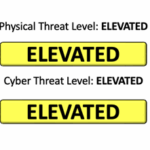
The FB-ISAO’s sponsor Gate 15 publishes a daily newsletter called the SUN. Curated from their open source intelligence collection process, the SUN informs leaders and analysts with the critical news of the day and provides a holistic look at the current global, all-hazards threat environment. Ahead of the daily news cycle, the SUN allows current situational awareness into the topics that will impact your organization.