
Faith-Based Daily Awareness Post 29 December 2025
Faith-Based Security Headlines
These updates are shared to help raise the situational awareness of Faith-Based organizations to best defend against and mitigate the impacts from all-hazards threats including physical security, cybersecurity, and natural disasters.
(UT) Ogden Man Faces Charges After Alleged Antisemitic Threats and Bomb Discovery
A 21-year-old man from Ogden, Utah, has been charged with numerous crimes after authorities say he made antisemitic threats online and stockpiled homemade explosive devices. Police were alerted after tips, including from the FBI, linked social media posts in which he allegedly expressed intent to harm Jewish people and “blow up a synagogue.” During a search of his home, officers found multiple fully assembled metal pipe bombs, materials for additional bombs, several firearms and ammunition. Now facing over a dozen charges, including multiple counts of possession or manufacture of weapons of mass destruction, threat of terrorism, possession of explosive devices, and other weapons-related offenses many with enhancements related to targeting a protected group. Law enforcement officials have stressed that while no specific site was identified as a target, the discovery of weapons and threatening statements prompted his arrest, and he is being held without bail as proceedings move forward.
Analyst Comments: The case highlights how online hate speech, when paired with real-world weapons and credible intent, is being treated seriously by law enforcement. The use of hate-crime or victim-targeting enhancements in charging underscores that bias-motivated threats carry additional legal weight, even if no direct physical attack occurred. This incident also reflects broader concerns about the intersection of extremist rhetoric and accessible weapon materials, prompting proactive investigative efforts by local police and federal partners to prevent potential violence.
This example can be used by security teams to show the importance of reporting suspicious activity (in person, or online), as bystanders can be critical in preventing terrorism. The FB-ISAO Resource Library links to several important materials that can help organizations prepare to respond to bomb threats.
3 Big Threats Facing Christians and Churches in 2026
The article outlines what its author describes as the three major threats facing Christians and churches in the United States as they enter 2026. It frames the current environment as increasingly hostile, citing observable trends like aggressive rhetoric and past attacks against worship spaces that make churches inherently vulnerable due to their openness and predictable schedules. The first threat highlighted is lone actors, individuals motivated by ideology, grievance, or personal fixation who may commit violence without ties to larger groups. The second threat identified is Islamic terrorism, with groups such as ISIS and Al Qaeda portrayed as continuing to call on followers to attack Christians and Jews, primarily through propaganda aimed at radicalizing individuals online. The third threat is described as radical left anti-Christian extremism, where hostile rhetoric in online spaces is said to normalize violence against Christians and frame them as political enemies. The article also acknowledges secondary threats including personal grievances that spill into violence and cyber harassment or doxxing, and it urges churches to adopt situational awareness, training, and law enforcement coordination while interpreting biblical teachings about persecution as context for hostility toward believers.
Analyst Comments: From a security and risk-management standpoint, the most consistent takeaway is the continued vulnerability of houses of worship due to their open nature, predictable schedules, and reliance on volunteer staff. Regardless of ideological framing, historical incident data shows that lone-actor violence and grievance-driven threats remain the most credible and difficult to detect risks facing religious institutions. The article’s emphasis on preparedness such as situational awareness, basic security training, and coordination with local law enforcement aligning with widely accepted best practices for nonprofit and faith-based security. Organizations should focus less on assigning motive categories and more on identifying behavioral warning signs, monitoring threats that could disrupt operations, and ensuring clear response protocols to reduce the likelihood or impact of an incident.
More Faith-Based Stories
- OK: Man sustains non-life-threatening injuries in stabbing attack at church in Pryor Creek
- Elderly Catholic deacon stoically stares down knife-wielding parishioner who tried to rob him at NYC church door
- (SD) Wessington Springs church heavily damaged in Friday morning fire
- Christmas meal goers left out in the cold as church locks doors due to ‘threat of trespass’ by organizers
- Antisemitic online posts in Australia surged 420% after Sydney terror attack, report finds
- DC Pipe Bomb Suspect Said Someone Needed to ‘Speak Up’
- ICE shift in tactics leads to soaring number of at-large arrests, data shows
- Hacker claims to leak WIRED database with 2.3 million records
- IBM sees seven major cybersecurity dangers next year: AI, AI, AI, AI, AI, not AI, likely AI
- Bomb cyclone swirls high winds, blizzard, ice and rain from Midwest to Northeast
- Attorney General James Warns New Yorkers of Price Gouging Amid Winter Storm
More Security-Focused Content

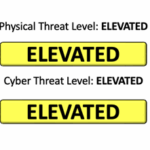

The FB-ISAO’s sponsor Gate 15 publishes a daily newsletter called the SUN. Curated from their open source intelligence collection process, the SUN informs leaders and analysts with the critical news of the day and provides a holistic look at the current global, all-hazards threat environment. Ahead of the daily news cycle, the SUN allows current situational awareness into the topics that will impact your organization.