
Faith-Based Daily Awareness Post 29 July 2026
Faith-Based Security Headlines
These updates are shared to help raise the situational awareness of Faith-Based organizations to best defend against and mitigate the impacts from all-hazards threats including physical security, cybersecurity, and natural disasters.
American Red Cross Declares Second-Ever National Blood Supply Crisis, Urges Immediate Blood Donations
The American Red Cross has declared a national blood supply crisis, the second in its entire history of operation, after blood donations for summer dropped to a four-year low, leaving blood inventories unable to keep pace with increased hospital demand during the busy summer trauma season. The organization reported having less than a one-day national supply of type O positive blood, the most transfused blood type, and has begun limiting distributions of type O blood to hospitals to preserve supplies for the most critical, life-threatening emergencies. According to the Red Cross, factors including extreme heat, poor air quality, and widespread foodborne illnesses have reduced donor turnout, while hospitals continue to rely on a steady supply of blood for emergency care, surgeries, cancer treatments, and other lifesaving procedures. The Red Cross estimates that just three additional donors at every blood drive this summer would stabilize the nation’s blood supply.
The shortage extends beyond the Red Cross. The AABB Interorganizational Task Force on Domestic Disasters and Acts of Terrorism warned that blood supplies across the United States are significantly lower than they need to be, with some blood collection organizations or regions already experiencing shortages that are affecting patient care. The task force noted that if donations do not increase, hospitals may be forced to postpone surgeries, delay treatments, or make difficult decisions about allocating available blood products.
Analyst Comments: For faith-based organizations, this national blood supply crisis presents an opportunity to support community resilience beyond traditional disaster response. Congregations often serve as trusted gathering places with established volunteer networks, making them well-positioned to raise awareness about the ongoing need for blood donations and connect members with local donation opportunities. Even a small increase in participation can have a meaningful impact, particularly as the Red Cross estimates that three additional donors at each blood drive could help stabilize the national blood supply.
Assemblies of God Pastors Describe Ordeal After ICE Detention
Two assistant pastors from an Assemblies of God church in Edinburg, Texas, were released from immigration detention after being held for two days while traveling to a retreat hosted by the Billy Graham Evangelistic Association. During a worship service and press conference following their release, the married couple described being repeatedly pressured to sign voluntary departure papers, alleging they were threatened with prolonged separation from their three children, deportation to different countries, and extended detention if they refused. The pastors maintained that they intended to comply with U.S. immigration laws and were prepared to present their immigration documentation when they arrived at the airport. The Department of Homeland Security stated that the couple had overstayed a visa that expired in 2022, while faith leaders supporting them disputed that account, stating they held valid religious worker visas.
Analyst Comments: For faith-based organizations, this case highlights how immigration enforcement actions involving clergy or international ministry personnel can quickly become operational issues with broader organizational impacts. Regardless of the outcome of an individual case, these incidents often generate significant media attention, increased public interest, and questions from congregants, community members, and partner organizations. They may also affect scheduled ministry activities, travel plans, staffing, and communications if key personnel become unavailable unexpectedly.
Organizations that rely on international pastors, missionaries, religious workers, or guest speakers can benefit from maintaining current immigration and travel documentation, understanding reporting and travel requirements for international personnel, and identifying legal and organizational points of contact before issues arise. Crisis communication plans, designated spokespersons, and procedures for responding to media inquiries can help provide accurate, consistent information while avoiding speculation. Security teams may also monitor for increased public attention around facilities or events, particularly if an incident attracts demonstrations or heightened community interest, allowing leaders to make informed decisions that support the safety of staff, volunteers, congregants, and visitors while maintaining normal ministry operations where possible.
More Faith-Based Stories
- BREAKING: CAIR Documents 183 Percent Increase in Mosque Incidents Compared to Same Time Period Last Year
- NY: Hammer-wielding maniac invades Queens Jewish school while chasing woman, injuring child: cops
- LA: Fire at St. Mark’s Baptist Church in Natchitoches Parish
- MI: Antisemitic flyers distributed in Southfield, Berkley, group says
- Antisemitic violence surges worldwide as number of deadly attacks hits record high
- Natural disasters and government interference: examining Q2 2026’s major Internet disruption events
- Threat Intelligence | Job Scam Alert: Interview Software Used to Deliver an Info-Stealing Malware
- Companies fear AI risks more than common cybersecurity threats
- Record warm seas power three storms at once in the Pacific Ocean
More Security-Focused Content

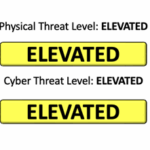
The FB-ISAO’s sponsor Gate 15 publishes a daily newsletter called the SUN. Curated from their open source intelligence collection process, the SUN informs leaders and analysts with the critical news of the day and provides a holistic look at the current global, all-hazards threat environment. Ahead of the daily news cycle, the SUN allows current situational awareness into the topics that will impact your organization.