
Faith-Based Daily Awareness Post 30 October 2025
Faith-Based Security Headlines
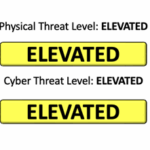
These updates are shared to help raise the situational awareness of Faith-Based organizations to best defend against and mitigate the impacts from all-hazards threats including physical security, cybersecurity, and natural disasters.
As more Jews acquire guns, a Jewish security group urges stronger regulations for synagogues
In reaction to rising antisemitism especially following the October 7, 2023, Hamas attack on Israel more American Jews are acquiring firearms for protection, and Jewish congregations are re-evaluating their security practices. Secure Community Network (SCN), which works with Jewish institutions across the U.S., has released a set of recommendations titled “Weapons at Worship” that urge synagogues to allow congregants to carry guns only as part of a formally organized, vetted, well-regulated security team under synagogue leadership, rather than permitting individual armed congregants acting independently. SCN warns that permitting uncoordinated gun-carrying in crowded houses of worship raises serious risks: mistakes under stress, escalations of violence, legal liability, and the potential for harm to bystanders. They recommend that if a synagogue chooses to incorporate armed volunteers, it must include selection and background checks, ongoing training, written use-of-force policies, coordination with law enforcement, identifiable markings for security personnel, thoughtful risk assessment, and the option of non-lethal alternatives instead of firearms.
Analyst Comments: The Secure Community Network’s recommendations reflect a practical, risk-management approach aimed at minimizing unintended harm in high-stress situations. Rather than discouraging firearm ownership outright, the guidance focuses on oversight, coordination, and training principles common to any effective security program. The rise in firearm interest among Jewish congregants underscores a broader societal response to increased perceived threats, but it also demonstrates the importance of structured protocols and collaboration with law enforcement. Overall, the emphasis on organization, accountability, and preparation promotes safer environments while maintaining community trust and responsibility.
Jewish organizations are responding to the looming SNAP deadline
As the federal government shutdown continues, both Jewish and Christian organizations are responding to the potential suspension of the Supplemental Nutrition Assistance Program (SNAP) with concern and preparedness. Jewish Federations of North America report that Jewish nonprofit agencies, including Jewish Family & Children’s Service of Long Beach & Orange County, are doubling their food-assistance budgets for November in anticipation of funding lapses. These groups emphasize that approximately 20% of Jewish households in the U.S. face financial vulnerability, with Holocaust survivors disproportionately affected about one in three live in poverty and rely on SNAP benefits for daily needs. While these agencies are increasing support, they acknowledge that private philanthropy cannot fully compensate for the potential loss of federal aid.
Similarly, a recent Christian Warrior Training threat intelligence briefing warns that a nationwide SNAP suspension removing an estimated $7.8 billion in monthly purchasing power could trigger heightened social instability, property crime, and security concerns across communities. The report highlights that faith-based institutions, particularly churches, may experience increased foot traffic, food requests, and possible incidents such as theft or trespassing. To mitigate risks, it recommends strengthening security measures, limiting access points during food distributions, coordinating closely with law enforcement, and maintaining clear incident documentation.
Analyst Comments: Together, these perspectives illustrate how religious and community-based organizations are mobilizing to meet urgent humanitarian needs while simultaneously managing the security implications of reduced federal support. Both highlight the interconnected nature of economic hardship, public safety, and the critical role of faith-based networks in maintaining community resilience. The situation also illustrates a broader trend: when federal support is uncertain, community organizations must balance service delivery with risk management, highlighting the need for strategic foresight, inter-agency coordination, and adaptive operational planning.
More Faith-Based Stories
- A Religious Freedom Lifeline to Burma’s Persecuted People of Faith Needs to be Extended
- $9,000 in donations stolen from Massachusetts church
- KY: Crime Stoppers: Trailer stolen from local church
- Barefoot Man Allegedly Breaks Into South Florida Church And Steals iPad
- 88-Year-Old Church Leader Brutally Beaten And Robbed At Her South Seattle Home
- ADL and Gibson Dunn Launch Nationwide Pro-Bono Legal Support Network in Response to Surge of Antisemitic Incidents
- JI: Jewish leaders, tech experts hopeful, but realistic about TikTok deal
- Black Collar Crime: Southern Baptist Worship Pastor Jon Sheptock Accused of Distributing Child Pornography
- Son of Life Church pastor charged with multiple child sex crimes, had explicit videos of parents: affidavit
- Ex-L3Harris Cyber Boss Pleads Guilty to Selling Trade Secrets to Russian Firm
- Man Arrested for Making Death Threats Against Mayor Barbara Lee
- Federal judge extends halt to shutdown-related terminations
- CyberCorps talent pipeline buckles under Trump hiring freezes
- U.S. will start testing nuclear bombs after three-decade hiatus, Trump says
- US company with access to biggest telecom firms uncovers breach by nation-state hackers
- ‘Total devastation’: Hurricane Melissa leaves trail of destruction, flooding in Jamaica
- Hurricane Melissa Speeds Toward Bermuda After Destruction in the Caribbean
- UK deploys over $3 million to support Jamaica after Hurricane Melissa
- Power grid targeted as Russia fired 653 drones and 52 missiles in overnight terror attack on Ukraine
- Scoop: U.S. pushing to finalize plan for international Gaza security force
More Security-Focused Content


The FB-ISAO’s sponsor Gate 15 publishes a daily newsletter called the SUN. Curated from their open source intelligence collection process, the SUN informs leaders and analysts with the critical news of the day and provides a holistic look at the current global, all-hazards threat environment. Ahead of the daily news cycle, the SUN allows current situational awareness into the topics that will impact your organization.