
Faith-Based Daily Awareness Post 4 February 2026
Faith-Based Security Headlines
These updates are shared to help raise the situational awareness of Faith-Based organizations to best defend against and mitigate the impacts from all-hazards threats including physical security, cybersecurity, and natural disasters.
What’s next for DHS’s forthcoming replacement critical infrastructure protection panel and AI information sharing
A top official from the Cybersecurity and Infrastructure Security Agency (CISA) said the Department of Homeland Security is working on replacing the disbanded Critical Infrastructure Partnership Advisory Council (CIPAC) with a new government-industry panel designed to more effectively address modern threats, especially cybersecurity and operational technology risks, such as those facing industrial control systems. The original council was criticized for not prioritizing cybersecurity explicitly and for limiting meaningful engagement with some industry sectors; the replacement aims to broaden participation, improve focus areas like undersea cables and OT systems, and address issues such as liability protections and transparency.
The federal government is exploring the creation of an Artificial Intelligence Information Sharing and Analysis Center (AI‑ISAC), an idea originally introduced in the previous administration’s AI Action Plan. The goal of an AI‑ISAC would be to give industry and government a dedicated channel to share information about AI‑related risks, incidents, and best practices. Officials say the concept is still in development, with no launch timeline, and that any future AI‑ISAC would be designed to complement existing industry‑led security and safety efforts rather than replicate them.
Analyst Comments: From an analyst standpoint, DHS’s move to replace CIPAC reflects a broader acknowledgment that the original partnership model struggled to keep pace with today’s risk environment, particularly the convergence of cyber, physical, and operational technology threats. While CIPAC provided a formal mechanism for government–industry coordination, it was often criticized for being procedurally heavy, uneven in sector representation, and insufficiently focused on actionable cybersecurity outcomes. A restructured panel presents an opportunity to streamline engagement, clarify liability and information-sharing protections, and bring in voices from sectors that have historically been underrepresented or sidelined. The challenge will be ensuring the new body avoids becoming another compliance-oriented forum and instead functions as a practical coordination mechanism that supports real-time threat sharing, trust-building, and cross-sector resilience especially as critical infrastructure risks increasingly span digital systems, physical assets, and emerging technologies like AI.
Faith-based organizations can now get funding for addiction recovery programs, HHS announces
U.S. Health and Human Services Secretary Robert F. Kennedy Jr. announced a new policy under the Trump administration’s federal addiction strategy that allows faith-based organizations that meet evidence-based addiction recovery standards to access federal funding for their programs. The change, part of a broader initiative aimed at tackling the national addiction and homelessness crises, was presented as a shift toward integrating prevention and recovery services across sectors rather than operating in fragmented “silos.” Kennedy emphasized the role of spiritual support alongside medical and social interventions in addressing addiction, describing it as both a physical and spiritual disease and stressing the importance of engaging people continuously from outreach through recovery. The policy also includes a new $100 million program called STREETS focused on outreach and stabilization services, with the goal of ensuring those struggling with substance use disorder do not “fall through the cracks.”
Analyst Comments: This policy shift recognizes what many community risk and resilience assessments have long shown: faith-based organizations are often first points of contact for individuals struggling with addiction, especially in underserved or rural areas where formal treatment capacity is limited. Allowing these organizations access to federal funding when they meet evidence-based standards can close service gaps, improve continuity of care, and reduce strain on emergency and criminal justice systems. At the same time, the change raises important oversight considerations, including the need for clear accountability, outcome measurement, and safeguards to ensure services remain inclusive and clinically sound. If implemented carefully, the policy could strengthen whole-community recovery ecosystems by formally integrating trusted faith institutions into public health response networks rather than leaving them to operate informally or without sustainable resources.
Weekly Security Sprint EP 144. Kermit the Frog, Threat Management, Cyber Resilience and more!
The Gate 15 Security Sprint is a weekly rundown of the week’s notable all-hazards security news, risks and threats and some of the key focus areas for organizations to consider behind the headlines. Gate 15 team members discuss physical security, cybersecurity, natural hazards, health threats and other issues across our environment.
In this week’s Weekly Security Sprint Dave and Andy covered the following topics:
- Insider Threats
- Ransomware Threat Outlook 2025-2027
- FBI Operation Winter SHIELD
Information on other Gate 15 podcasts can be found at Podcasts (gate15.global).
More Faith-Based Stories
- NYC teen allegedly sent vile emails about ‘killing Jews’ to several people at his charter school: sources
- ME: Shelter inside Skowhegan church deemed a fire hazard by the Maine town
- WI: Milwaukee prayer candle donation box break-in, theft; 2 accused
- CA: Man arrested on suspicion of vandalism, hate crimes targeting Jewish businesses in the San Fernando Valley
- Mississippi Man Sentenced for Federal Civil Rights and Arson Charges for Setting Fire to Mormon Church
- San Diego officials address Jew-hatred, seek to reopen state security grants
- Executive Targeting Reaches Record Levels as Threats Expand Beyond CEOs
- House Votes to End Partial US Government Shutdown on Day 4
- AI-ISAC inches forward under Trump administration
- FAA and FBI Announce Strict ‘No Drone Zones’ for Super Bowl LX
- ADL Survey Finds Harmful Antisemitic Stereotypes Remain Deeply Entrenched Across Europe
More Security-Focused Content

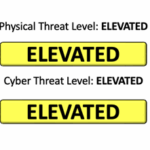
The FB-ISAO’s sponsor Gate 15 publishes a daily newsletter called the SUN. Curated from their open source intelligence collection process, the SUN informs leaders and analysts with the critical news of the day and provides a holistic look at the current global, all-hazards threat environment. Ahead of the daily news cycle, the SUN allows current situational awareness into the topics that will impact your organization.