
Faith-Based Daily Awareness Post 4 June 2026
Faith-Based Security Headlines
These updates are shared to help raise the situational awareness of Faith-Based organizations to best defend against and mitigate the impacts from all-hazards threats including physical security, cybersecurity, and natural disasters.
Essential Guide to Protecting Your House Of Worship In 2026
The piece emphasizes that houses of worship face a range of risks that insurers increasingly evaluate an organization’s security posture for handling those risks when determining coverage availability, premiums, and policy terms. The article is organized into several sections that outline key areas of concern, including physical security, cybersecurity, emergency preparedness, liability considerations, and the various insurance products designed to address those risks, highlighting how each element contributes to an organization’s overall resilience and insurability. The article encourages religious organizations to implement physical security measures, conduct risk assessments, maintain emergency plans, train staff and volunteers, and document mitigation efforts to reduce both the likelihood and severity of losses.
Analyst Comments: This article frames church security and resilience through an insurance lens, arguing that insurance should not be viewed as a substitute for risk management but rather as one component of a broader protection strategy. As insurers face rising losses from natural disasters, liability claims, and security-related incidents, many carriers are placing greater emphasis on an organization’s preparedness and risk management practices when underwriting policies. Houses of worship that can demonstrate strong security measures, emergency response plans, facility maintenance programs, cybersecurity controls, and documented training may be better positioned to obtain favorable coverage terms and avoid coverage gaps. Conversely, inadequate risk management can lead to higher premiums, stricter underwriting requirements, reduced coverage options, or even non-renewal in some markets.
From a resilience perspective, faith-based organizations should view insurance as a financial recovery tool rather than their primary protection strategy. Effective security programs, continuity planning, emergency preparedness, and facility resilience measures not only help safeguard congregants and property but can also strengthen insurability and support faster recovery following a disruptive event.
Five Emergency Lighting Risks Facilities Teams Shouldn’t Overlook
The article highlights five commonly overlooked emergency lighting risks that can leave facilities vulnerable during power outages or emergencies. These risks include failing batteries and backup power systems, inadequate testing and maintenance practices, outdated lighting technology, poor placement or coverage of emergency fixtures, and noncompliance with evolving safety codes and regulations. The article emphasizes that emergency lighting is a critical life-safety system that helps occupants safely evacuate during fires, severe weather events, and other emergencies. Facility managers are encouraged to conduct regular inspections, perform required monthly and annual testing, maintain accurate documentation, and ensure systems can operate for the required duration during a power loss. Neglecting these measures can result in failed inspections, regulatory violations, and increased risks to occupant safety when emergency lighting is needed most.
Analyst Comments: Emergency lighting is often viewed as a routine facilities issue, but for faith-based organizations it serves an important life-safety function during emergencies ranging from fires and severe weather to power outages and security incidents. Churches, synagogues, mosques, and other houses of worship frequently host large gatherings that include children, older adults, and visitors who may be unfamiliar with the building layout, making clear evacuation routes especially important. Faith-based organizations should consider ensuring emergency lighting systems are regularly tested and maintained, both inside the facility and outside in the parking lot.
More Faith-Based Stories
- WA: Armed intruder arrested at Tacoma mosque
- PA: Man accused of stealing church stained glass
- ME: Flag at historic Bath Masonic temple burned
- NM: Synagogue and Jewish Community Center damaged in vandalism incidents
- CA: Arrest made in hate-related vandalism incidents in Sacramento
- NY: Mormon church says ‘sneaky squatter’ repeatedly broke into chapels, found snoozing in attic: suit
- IN: Police investigate vandalism at local church property
- Faith-based security guidance emphasizes preparedness for houses of worship
- Washington priest and exorcist profile highlights Catholic security and spiritual care role
- Iran War:
- CEO of Iran Tech Company Arrested on Federal Charge of Supplying U.S. Equipment to Iran’s Nuclear and Military Establishment
- House approves war powers resolution to halt military action against Iran in a rebuke of Trump
- Iranian Threat Actor Handala Escalates to Physical Threats Against Israeli Targets
- Iran Turns Western AI Models Into a Sanctions Workaround
- Iranian Cyber Retaliation Imminent: Ceasefire Collapse and Critical VPN Vulnerability Create Perfect Storm
- Plunging global oil supplies threaten to push fuel prices even higher
- Drone security at World Cup a focus for DHS, FBI, FAA
- Emerging Hospice Fraud Targeting Medicare Recipients
- Hurricane season arrives
- WHO chief says response catching up to Ebola outbreak
More Security-Focused Content

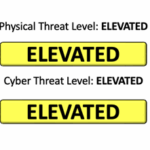
The FB-ISAO’s sponsor Gate 15 publishes a daily newsletter called the SUN. Curated from their open source intelligence collection process, the SUN informs leaders and analysts with the critical news of the day and provides a holistic look at the current global, all-hazards threat environment. Ahead of the daily news cycle, the SUN allows current situational awareness into the topics that will impact your organization.