
Faith-Based Daily Awareness Post 4 November 2025
Faith-Based Security Headlines
These updates are shared to help raise the situational awareness of Faith-Based organizations to best defend against and mitigate the impacts from all-hazards threats including physical security, cybersecurity, and natural disasters.
External Theft Incidents Increased 19 Percent in 2024, Retail Report Finds
External retail theft rose 19 percent in 2024, continuing a sharp upward trend from previous years, according to a new NRF report. Retailers cited growing concerns about organized retail crime, repeat offenders, and fraud schemes such as cargo and loyalty theft. In response, many companies have limited which employees can approach shoplifters and expanded training on workplace violence and loss prevention. Over half of retailers also increased investments in perimeter security like lighting, cameras, and license-plate readers with some testing AI-driven tools and autonomous security technologies to counter escalating theft risks.
Analyst Comments: The rise in organized retail theft reflects a broader challenge for all community-centered institutions, including faith-based organizations. While the context differs, both sectors face similar risks like external theft, property crime, and the potential for violence or disruption. Faith-based sites often maintain open, welcoming environments that can be exploited by opportunistic offenders. Lessons from the retail sector, such as investing in perimeter awareness including lighting, surveillance, and access control, as well as staff training on de-escalation and situational awareness, can strengthen security while preserving hospitality. Balancing openness with proactive prevention remains key for religious institutions seeking to maintain trust and safety in increasingly unpredictable environments.
What to know as Nigeria rejects US military threat over alleged Christian killings
The government of Nigeria rejected a warning from Donald Trump, who claimed he had instructed the U.S. Department of Defense to prepare for possible military action over alleged killings of Christians in Nigeria. The Nigerian presidential spokesman states that the U.S. cannot unilaterally carry out military operations within Nigeria, a sovereign state, and described the claim as part of Trump’s typical rhetoric to force negotiations. Trump’s threat followed his designation of Nigeria as a “country of particular concern” for religious-freedom violations. However, Nigerian officials say that violence in Nigeria is far more complex than a simple case of religious persecution: both Christians and Muslims are victims in the country’s longstanding security crises. The Nigerian government has dismissed the designation, while a former Christian-association leader in Nigeria said the country needs to do more to protect communities affected by violence.
Analyst Comments: This situation can show how religious framing can oversimplify Nigeria’s security challenges. While attacks on Christian communities have occurred, the violence stems from competition over land, resources, and governance. Faith-based communities should consider monitoring international religious freedom, as well as be aware if there are faith-based mission groups abroad. Building partnerships with local religious leaders and humanitarian groups can focus on conflict resolution and offer advocacy and support.
Case Study: Learn How Intelligence Can Inform Your Organizational Resilience
Join FB-ISAO for a case study discussion of how information in the real world helped inform resilience for a particular organization. Further, the case study will highlight how using information that is available widely can provide for proactive threat identification and mitigation locally – even at organizational level.
When: Friday November 7th at 12 P.M E. T
Register here.
Weekly Security Sprint EP 134. Cyber Resilience, Critical Infrastructure attacks, Alphabet soup, and offboarding concerns
The Gate 15 Security Sprint is a weekly rundown of the week’s notable all-hazards security news, risks and threats and some of the key focus areas for organizations to consider behind the headlines. Gate 15 team members discuss physical security, cybersecurity, natural hazards, health threats and other issues across our environment.
In this week’s Weekly Security Sprint Dave and Andy covered the following topics:
- Canadian Centre for Cyber Security: Alert – AL25-016 Internet-accessible industrial control systems (ICS) abused by hacktivists
- Threat Snapshot: Cyber Threats Remain Heightened Amid Lapse In Information Sharing Authorities, Government Shutdown
- 2 shot dead at Tennessee plastics plant by gunman who was ex-employee.
Information on other Gate 15 podcasts can be found at Podcasts (gate15.global).
More Faith-Based Stories
- Grandson admits to beating, killing grandmother at Mississippi church
- Broomfield leaders denounce hate symbol after church vandalism
- Deputies investigate after threats at Midlands church
- Would-be robbers again stage ambush outside Catholic church in Minneapolis, police say
- Holocaust imagery on Halloween parade float: Designer apologizes for mistake
- Naming of Nigeria as a Country of Particular Concern is an Important Step to Advance Religious Freedom
- CDS replies Trump: Nigeria’s challenge is terrorism not persecution of Christians
- Report details police investigation into Cybertruck explosion at Trump International Hotel Las Vegas
- DOJ: Multiple Suspects Charged for Having Firearms in Conspiracy to Provide Material Support to ISIS
- Lawmakers say stolen police logins are exposing Flock surveillance cameras to hackers
- Ex-Waterbury firefighter called himself MAGA ‘lunatic,’ threatened to ‘light up’ officials: Warrants
- Vigilant Florida Teen Thwarts Potential Halloween Bomb Plot; 15-Year-Old Charged
- Preparing for Threats to Come: Cybersecurity Forecast 2026
- Caribbean being monitored for new tropical development in mid-November
- Trump Admin Planning to Send US Troops to Mexico to Combat Cartels—Report
More Security-Focused Content

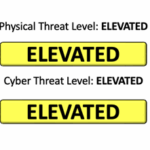
The FB-ISAO’s sponsor Gate 15 publishes a daily newsletter called the SUN. Curated from their open source intelligence collection process, the SUN informs leaders and analysts with the critical news of the day and provides a holistic look at the current global, all-hazards threat environment. Ahead of the daily news cycle, the SUN allows current situational awareness into the topics that will impact your organization.