
Faith-Based Daily Awareness Post 4 November 2026
Faith-Based Security Headlines
These updates are shared to help raise the situational awareness of Faith-Based organizations to best defend against and mitigate the impacts from all-hazards threats including physical security, cybersecurity, and natural disasters.
November Election Recap
The November 3, 2026, elections took place amid increased attention to election security following the federal government’s pullback from some election-security support. States continued efforts to secure voting systems and maintain election operations, while election officials reported attempted cyber intrusions targeting online services. On Election Day, officials also dealt with operational challenges, including ballot scanner malfunctions and federal legal actions involving election procedures. Despite these challenges, election officials continued working to address technical issues and ensure voting operations proceeded.
State and federal officials also faced a wave of election-related misinformation and conspiracy theories, particularly surrounding voting disruptions. In Westchester County, New York, ballot scanner malfunctions prompted unsupported claims of intentional election interference, while false text messages in Fulton County, Georgia, incorrectly informed voters of polling-place changes. Other misleading claims circulated online involving alleged voter fraud, ballot handling, polling-place disruptions, and fabricated reports of federal investigations. Social media influencers and political figures amplified several of these allegations despite a lack of supporting evidence. Election factcheckers and officials are working to correct false information and reassure voters that ballots will be securely handled and counted.
Analyst Comments: Despite expected operational challenges, attempted cyber intrusions, and the spread of election-related misinformation, the 2026 elections appear to have largely proceeded without a major security incident. Reported issues were addressed by election officials, and no foreign influence operations had been reported as of the evening Election Day security update.
Cyberattack on French Blood Service Refrigeration Supplier Threatens Plasma Storage
Cyberattacks targeting refrigeration systems across Europe have highlighted the potential physical and operational consequences of vulnerabilities in operational technology (OT). A cyberattack on a refrigeration supplier to the French Blood Service raised concerns about disruptions to critical medical infrastructure and the safe storage of blood plasma. Separately, cyberattacks targeting supermarket refrigeration systems have affected at least 11 European countries, including France, Italy, Belgium, the Netherlands, Germany, Romania, and the United Kingdom.
Attackers reportedly exploited vulnerable technology to remotely manipulate refrigeration settings and activate defrost cycles, resulting in spoiled food and financial losses for retailers. Together, these incidents demonstrate how cyber incidents affecting connected equipment and third-party technology providers can disrupt essential services, damage critical supplies, and create real-world consequences.
Analyst Comments: Although houses of worship (HOWs) are unlikely to operate industrial refrigeration systems like those involved in these incidents, the same vulnerabilities can affect other types of OT commonly found in facilities, including HVAC systems, electronic access control, surveillance, and building automation. A cyberattack targeting these systems could disrupt facility operations, compromise physical security, restrict building access, or create unsafe conditions for occupants. These incidents reinforce the importance of securing connected building systems, maintaining updated software, restricting remote access, and monitoring OT environments for suspicious activity.
Weekly Security Sprint EP 179. AI and Insider Threat, Plus More Fridge Problems
The Gate 15 Security Sprint is a weekly rundown of the week’s notable all-hazards security news, risks and threats and some of the key focus areas for organizations to consider behind the headlines. Gate 15 team members discuss physical security, cybersecurity, natural hazards, health threats and other issues across our environment.
In this week’s Weekly Security Sprint Dave and Andy covered the following topics, A Defense Contractor Gave Their Personal AI Agent Access to a Secure Pentagon System, blended threats, and CISA publishing the strategy with eye on the next four years.
Information on other Gate 15 podcasts can be found at Podcasts (gate15.global).
More Faith-Based Stories
- CA: KCSO asks for help identifying suspect in church burglary
- CA: Swastika, Pride Flag Thefts Target Temecula Church; Pastor Responds With Hope
- CAIR-FL Welcomes Criminal Charge for Threat to Behead Pinellas Commissioner Who Approved Mosque Expansion
- Iowa: Judge orders Iowa to permit Satanic Temple holiday event at state capitol
- FL: Retired NYPD officer arrested after ‘off with his head’ post over Florida mosque expansion
- Canada: Man admits setting fire that destroyed Saint-Simon church
- UK: Historic village church damaged as thieves set off fire extinguishers
- UK: Priest Calls Vandalism ‘True Persecution’ After Vandals Smash Jesus Statue at Historic UK Church
- Glenn Beck warns of ‘serious times’ as nonprofit aims to help persecuted Nigerian Christians
- Election News:
- FEMA Bulletin Week of November 3, 2026
- The Cost of Shadow AI
- AI-Linked Breaches Mount as WorkOS, Northflank, Trigger.dev Disclose Hacks
- Google researchers are fighting the company to tell the world what they know about AI
- Self-Employed? Solopreneur? NIST Has a Cybersecurity Guide Just for You
More Security-Focused Content

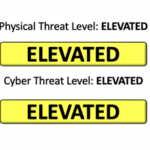
The FB-ISAO’s sponsor Gate 15 publishes a daily newsletter called the SUN. Curated from their open source intelligence collection process, the SUN informs leaders and analysts with the critical news of the day and provides a holistic look at the current global, all-hazards threat environment. Ahead of the daily news cycle, the SUN allows current situational awareness into the topics that will impact your organization.