
Faith-Based Daily Awareness Post 5 January 2026
Faith-Based Security Headlines
These updates are shared to help raise the situational awareness of Faith-Based organizations to best defend against and mitigate the impacts from all-hazards threats including physical security, cybersecurity, and natural disasters.
AI Deepfakes Are Impersonating Pastors to Try to Scam Their Congregations
Scammers are increasingly using AI-generated deepfakes to impersonate pastors and other religious leaders to deceive congregations and solicit money, clicks, or personal information. For example, Father Mike Schmitz, a Catholic priest with a large online following, publicly warned his followers after fake AI videos appeared showing him urging viewers to send money or secure “blessings” by clicking links. Similar impersonations have targeted pastors across the U.S. and abroad, with fake videos, direct messages, and hacked accounts used to promote fraudulent investment opportunities or requests. Experts say these scams exploit the high level of trust people place in spiritual figures and can be hard to distinguish from genuine content. Beyond explicit scams, some AI-generated videos portray fictitious clergy delivering unusual sermons that gain widespread attention, blurring the line between satire, manipulation, and authenticity. While some churches are experimenting with AI for legitimate purposes like sermon preparation, watchdogs warn about potential harms, including mental health impacts and the erosion of trust within communities.
Analyst Comments: The rise of AI deepfakes targeting religious communities highlights the challenge in the age of generative AI: trust and verification. Religious leaders often occupy positions of authority and emotional influence; when AI mimics their voices or likenesses, it can more easily bypass critical skepticism and lead to financial or psychological harm. This trend also shows the needs for stronger digital identity safeguards and better public education about recognizing AI-generated content. Platforms hosting these impersonations must improve detection and takedown processes, and faith communities might consider implementing verification channels like verified accounts and regular official communication channels to protect members.
Trump suggests US used cyberattacks to turn off lights in Venezuela during strikes
In recent developments, the U.S. carried out a dramatic military and cyber-enabled operation in Venezuela that led to the capture of President Nicolás Maduro and his wife, with President Donald Trump hinting at using offensive cyber capabilities to disrupt power and communications in Caracas ahead of the strike. Independent monitors reported internet and electricity outages coinciding with the assault, and U.S. officials described coordinated effects by cyber and military units, though legal and tactical details remain opaque.
Mass protests have begun across major U.S. cities including Chicago, Dallas, New York, Philadelphia, Pittsburgh, San Francisco, and Seattle against the intervention, with demonstrators decrying it as illegal, unconstitutional, and a violation of Venezuelan sovereignty under international law, while legislative critics argue Trump overstepped without congressional approval. Religious and global bodies have also condemned the U.S. action: the World Council of Churches called the attacks “stunningly flagrant violations of international law” and urged respect for state sovereignty, and other faith groups echoed calls for peace and legal norms, framing the assault as contrary to principles of justice and international order.
Analyst Comments: From a house of worship (HOWs) security perspective, the U.S. operation in Venezuela is best treated as a contextual geopolitical event rather than a direct threat driver. While the situation is dominating headlines and diplomatic discourse, it is not expected to materially increase cyber or physical targeting of religious institutions in the near term. That said, historically, controversial U.S. actions abroad tend to elevate the baseline risk environment domestically, particularly through protests, counter-protests, and emotionally charged demonstrations that can occur with little notice in major cities. HOWs located near government buildings, downtown protest corridors, or symbolic sites should remain alert for spillover activity, including vandalism, disruptive protests, or opportunistic threats unrelated to the congregation itself. Currently, the most appropriate posture is heightened situational awareness rather than operational changes, with leaders monitoring local protest dynamics, reinforcing communication plans, and ensuring staff know how to respond if demonstrations emerge nearby.
FB-ISAO Meeting Series: Building an Intelligence Team for your HOWs
January 7, 2026: The nature of intelligence as it relates to HOW decision making and security practices.
When: January 7th, 2026
Time: 12:00 P.M. Eastern Time
Register Here
The intelligence process helps decision makers weigh alternatives and make threat-informed, fact-based choices via enhanced situational awareness. By leveraging intelligence, houses of worship can enhance their overall safety and security, ensuring their spaces remain welcoming sanctuaries for worship – yet prepared for potential incidents.
- February 4, 2026: The mission and purpose of a HOW-centric intelligence team.
- March 4, 2026: The roles and skill sets needed to be effective, whether you have a team or an army of one, and the organizational structure and workflow.
- April 1, 2026: The sources and methods of local intelligence collection and analysis.
- May 6, 2026: Expanding your horizon to consider additional atypical threats, man-made and natural disasters, to prepare for all-hazards.
- June 3, 2026: Operationalizing your intelligence team.
More Faith-Based Stories
- Off-duty deputy grazed in Winston-Salem church shooting on New Year’s Day
- (HI) Police investigate bomb threat to Kihei synagogue
- (FL) Antisemitic incidents reported across Palm Beach County, including Jupiter and West Palm Beach
- (OH) WATCH: Suspect breaks into, vandalizes local mosque and community center
- (CN) Firefighters battle second-alarm fire at former Mansfield church
- Abandoned church fire in Pittsburgh neighborhood under investigation
- (GA) Fire destroys Mercy Fellowship Church in Forsyth; investigation underway
- Baby Jesus abducted from Long Island nativity scene — and Suffolk County officials hope to get it back by offering thief mercy
- Potential ISIS-inspired terror attack thwarted in North Carolina, teen arrested, officials say
- Man with shotgun arrested near Seattle’s Space Needle ahead of New Year’s Eve fireworks
- Man who broke windows at Vance’s Ohio home is detained, the Secret Service says
- Marine Corps wants 10,000 new drones this year as it looks to expand training for off-the-shelf systems
- Understanding AI insider risk before it becomes a problem
- NWS “Winter Storm Watch” aggregated messages (multiple CWAs)
More Security-Focused Content

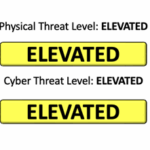
The FB-ISAO’s sponsor Gate 15 publishes a daily newsletter called the SUN. Curated from their open source intelligence collection process, the SUN informs leaders and analysts with the critical news of the day and provides a holistic look at the current global, all-hazards threat environment. Ahead of the daily news cycle, the SUN allows current situational awareness into the topics that will impact your organization.