
Faith-Based Daily Awareness Post 5 June 2026
Faith-Based Security Headlines
These updates are shared to help raise the situational awareness of Faith-Based organizations to best defend against and mitigate the impacts from all-hazards threats including physical security, cybersecurity, and natural disasters.
Threats to the 2026 FIFA World Cup
Research from Recorded Future, Fortinet, and KELA highlights a rapidly expanding cyber threat landscape surrounding the 2026 FIFA World Cup, driven by the tournament’s global visibility, high demand for tickets and travel, and the large volume of online transactions associated with the event. Threat actors are leveraging FIFA branding through phishing campaigns, fake ticketing and merchandise websites, fraudulent hospitality offers, malicious streaming and betting platforms, fake job postings, social media impersonation accounts, and cryptocurrency scams. Recorded Future warns that cybercriminals, state-sponsored actors, and fraud networks are targeting fans, sponsors, vendors, and event-supporting infrastructure. Fortinet has identified more than 13,000 World Cup-themed domains registered in early 2026, nearly 9% of which were deemed malicious or suspicious. KELA’s research further also found a large number of fraudulent domains, more than 4,300, and approximately 1.5 million compromised accounts linked to World Cup-related activity, demonstrating the scale of credential theft and account compromise already underway.
Collectively, these reports emphasize that organizations and individuals should expect increased phishing, fraud, malware distribution, account takeover attempts, and brand impersonation campaigns leading up to and throughout the tournament, making proactive cybersecurity awareness, multi-factor authentication, and verification of official sources critical defenses.
Analyst Comments: The cyber threats emerging around the 2026 FIFA World Cup demonstrate how threat actors routinely exploit major, highly publicized events to conduct phishing, fraud, credential theft, and social engineering campaigns. Threat actors are leveraging urgency, excitement, and trust in recognized brands to increase the likelihood that victims will click malicious links, submit credentials, or make fraudulent purchases.
For faith-based organizations, the findings serve as a reminder that similar tactics can be used against religious communities during major conferences, trips, disaster relief efforts, holiday celebrations, fundraising campaigns, and other high-profile events. Faith-based organizations often rely heavily on email, social media, online giving platforms, volunteer registration systems, and third-party vendors, all of which can be impersonated by attackers seeking donations, credentials, or financial information. During major organizational events or well-publicized disasters leaders should anticipate increased phishing attempts that exploit trusted brands, event registrations, travel arrangements, or donation requests and should reinforce cybersecurity awareness, multifactor authentication, verification procedures for financial transactions, and monitoring of official online channels to help protect staff, volunteers, congregants, and organizational resources.
Responding to Arizona’s Heat: Join Faith-Based Relief Efforts This Summer
The Arizona Faith Network (AFN) “Responding to Arizona’s Heat: Join Faith-Based Relief Efforts This Summer” toolkit highlights how faith communities can actively participate in life-saving heat response work across Arizona and beyond by providing structured, practical ways to support vulnerable populations during extreme heat events. The resource emphasizes coordinated actions such as hosting or supporting cooling and hydration stations, organizing volunteer teams, donating essential supplies (like water, sunscreen, and hygiene kits), and partnering with local agencies to extend reach into high-risk neighborhoods. It also encourages congregations to engage in advocacy, education, and community awareness efforts to address the broader impacts of climate-driven heat on public health and housing insecurity.
Analyst Comments: The toolkit is broadly applicable beyond Arizona’s specific heat crisis because extreme heat events are increasingly affecting a wide range of regions in the continental U.S., particularly across southern states, as rising global temperatures intensify and expand heat risk zones. Due to global warming, many areas that have not traditionally experienced sustained or severe heat emergencies are now likely to face similar conditions during the summer months. This makes the toolkit’s modular, adaptable framework highly relevant in a much broader context. Its emphasis on volunteer mobilization, resource distribution, partnership-building, and advocacy translates well to different jurisdictions facing heat-related stress. For faith-based organizations, the key takeaway is that preparedness and response do not require specialized infrastructure; rather, existing congregational networks can be activated through clear roles, simple supply chains, and coordinated community partnerships to deliver rapid, scalable support wherever extreme heat emerges.
More Faith-Based Stories
- NM: Jewish Centers Attacked by Deranged Man; State Charges Filed, Federal Charges Possibly Pending
- TX: ‘The church is a total loss,’ overnight fire destroys Nugent church
- MA: Holyoke’s St. Paul’s Episcopal Church hit by break-in, charity items stolen
- LA: Ville Platte man charged in connection with church AC theft, vandalism
- ‘Jews are eating kids!’: NYC subway rider said to assault 23-year-old Jewish woman
- What houses of worship are doing to keep their flocks safe when they come to pray
- Arizona Faith Network: Heat Relief, Democracy & Summer Action Opportunities
Iran War:
- S. oil production and gasoline price pressures amid supply concerns
- Attacks on Critical Communications Infrastructure Hit Record Highs in 2025
- US Senate passes $70 billion ICE funding; fails to ban Trump’s ‘anti-weaponization’ fund
- FBI Announces New Wanted List Dedicated to Fraudsters
- Chinese spies are using LinkedIn to lure Westerners into sharing sensitive information
More Security-Focused Content

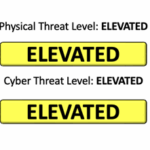
The FB-ISAO’s sponsor Gate 15 publishes a daily newsletter called the SUN. Curated from their open source intelligence collection process, the SUN informs leaders and analysts with the critical news of the day and provides a holistic look at the current global, all-hazards threat environment. Ahead of the daily news cycle, the SUN allows current situational awareness into the topics that will impact your organization.