
Faith-Based Daily Awareness Post 6 July 2026
Faith-Based Security Headlines
These updates are shared to help raise the situational awareness of Faith-Based organizations to best defend against and mitigate the impacts from all-hazards threats including physical security, cybersecurity, and natural disasters.
Moody Bible Institute breach leaves 2.3M accounts needing salvation, says cyber expert
Moody Bible Institute (MBI) is dealing with a significant data breach after the cybercriminal group ShinyHunters targeted the organization in a “pay-or-leak” extortion campaign, resulting in the public exposure of data associated with more than 2.3 million individuals. According to reporting by The Register, the leaked information includes names, dates of birth, email and physical addresses, phone numbers, gender and marital status details, as well as records related to donors, supporters, students, and alumni. The information has been uploaded to Have I Been Pwned, though MBI has not posted any updates to their original announcement, posted on June 22, one day before ShinyHunters leaked the data.
Analyst Comment: While Houses of Worship (HOWs) and other religious institutions can sometimes feel as if their relative size and anonymity compared to large businesses or government organizations might protect them from being targeted by cyber criminals, incidents like these demonstrate that this is not the case. Cyber criminals target organizations with specific characteristics and HOWs can match these characteristics just like any other victim. Members should develop their cybersecurity posture accordingly.
Pastor questions DC’s decision to cut ties with violence prevention program after shooting
A Washington, D.C., pastor is questioning the city’s decision to end its partnership with the T.R.I.G.G.E.R. Project, a violence-prevention program, after a shooting during an orientation session held at Peace Baptist Church. According to the report, an argument among participants escalated into gunfire, leaving two people injured, and police later found a 16-year-old program participant in possession of two firearms. Despite the incident, Pastor Michael Bell and other community leaders argued that the nearly decade-old program has a strong record of violence intervention and youth support, warning that cutting funding and partnerships based on a single event could harm at-risk young people who need such services.
Analyst Comment: Faith based organizations should be aware of the risk to funding that could occur from security failures during the various programs they offer. Some programs, such as ones that bring firearms on the property, can create security concerns even when the activity is planned. Preparedness is key in order to avoid potential injury to attendees, which requires thoughtful discussion and processes that enables staff members or volunteers to recognize and divert potentially concerning situations.
Weekly Security Sprint EP 164. All-Hazards, Pathway to Extremism, and More!
The Gate 15 Security Sprint is a weekly rundown of the week’s notable all-hazards security news, risks and threats and some of the key focus areas for organizations to consider behind the headlines. Gate 15 team members discuss physical security, cybersecurity, natural hazards, health threats and other issues across our environment.
In this week’s Weekly Security Sprint Dave and Andy celebrate America and talk about how resilience requires an all-hazards mindset, natural hazards, evolving extremist recruitment trends, and recent ransomware activity.
Information on other Gate 15 podcasts can be found at Podcasts (gate15.global).
More Faith-Based Stories
- 1 shot during funeral at southeast Houston church, according to police department
- 1 person hospitalized after shooting outside of Columbus mosque
- IL: Man shot during struggle with police near Effingham church
- Masked man arrested by NYPD for pulling BB pistol during Queens mosque prayer service
- WATCH: Bat-wielding assailant subdued by local Jews outside of Lubavitch HQ in New York
- NJ church catches fire after being struck by lightning, officials say
- VA: Fire destroys former Good Shepherd Baptist Church building in Church Hill
- KS: Antisemitic vandalism at Wichita church investigated by police
- AL: Warrants issued for 2 accused of stealing tools from church construction site
- Mississippi church endures 12 years of break-ins and vandalism
- Chicago-area church stands ground on sign after LGBT activists protest
- Arkansas Church Resolves Sexual Abuse Civil Case
- Pastor denies criminal operation was running at church property as son, grandson arrested
- CAIR-CA Welcomes Release of Attorney General’s 2025 Hate Crime Report, Highlights Statewide Increase in Anti-Muslim Hate
- Canada: Arrest made for hate-motivated graffiti at Jewish place of worship in Guelph
- Lithuanian man admits terrorism plot to attack a mosque in Ireland
- Australia: Two men charged after allegedly pointing fake gun at synagogue in Sydney
- National Guard members on patrol in Memphis fatally shoot man during pursuit, police say
- Hundreds of masked white nationalists march in Washington on Fourth of July
- Elk Grove Man Arrested for Making Threats to Use Fireworks to Damage Generators Supplying Federal Buildings in Sacramento on the Fourth of July
- State, local cyber grant funding can’t be used on ‘bundled’ services from membership groups, FEMA clarifies
- Online Jihadist Responses to the Iran War: Divergence, Propaganda, and Positioning
- Heat wave’s deadly impact grows
- Wordfence Intelligence Weekly WordPress Vulnerability Report (June 22, 2026 to June 28, 2026)
- Risky Bulletin: Android drops PIN guessing limit from 1,800 attempts to just 20
- Imposter Scams Are Evolving. Here Are the 10 Identities Scammers Pretend to Be Most.
- Swimming Pools, Pee, and Trying to Delete Your Data From the Internet
- Managing Insider Risk From Contractors and Third Parties
More Security-Focused Content

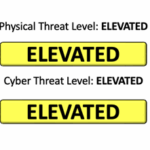

The FB-ISAO’s sponsor Gate 15 publishes a daily newsletter called the SUN. Curated from their open source intelligence collection process, the SUN informs leaders and analysts with the critical news of the day and provides a holistic look at the current global, all-hazards threat environment. Ahead of the daily news cycle, the SUN allows current situational awareness into the topics that will impact your organization.