
Faith-Based Daily Awareness Post 8 April 2026
Faith-Based Security Headlines
These updates are shared to help raise the situational awareness of Faith-Based organizations to best defend against and mitigate the impacts from all-hazards threats including physical security, cybersecurity, and natural disasters.
Iranian-Affiliated Cyber Actors Exploit Programmable Logic Controllers Across US Critical Infrastructure
A CISA advisory AA26-097A warns that Iranian-affiliated cyber actors are actively targeting and exploiting internet-exposed programmable logic controllers (PLCs) across U.S. critical infrastructure sectors, including water, energy, and government facilities. The campaign involves gaining access to vulnerable devices particularly those exposed to the internet and manipulating industrial control systems, including altering project files and tampering with data displayed on human-machine interface (HMI) and supervisory control and data acquisition (SCADA) systems, which has already caused operational disruptions in multiple organizations. The actors are using legitimate software and techniques rather than sophisticated exploits, highlighting that poor network exposure and lack of segmentation are key enablers of these attacks. Federal agencies assess this activity as ongoing and potentially escalating, urging organizations to review indicators of compromise, secure or remove internet-facing OT (Operational Technology) devices, and implement mitigations to reduce the risk of further compromise or disruption.
Analyst Comments: This advisory is important because it highlights a continued shift in cyber threats toward OT, where attackers are targeting physical infrastructure using relatively simple methods. Rather than relying on highly advanced exploits, these actors are taking advantage of basic security gaps like internet-exposed devices, poor network segmentation, and weak credentials. This means the risk is not limited to large or well-funded organizations any entity with vulnerable systems can be a target.
For faith-based organizations, this is especially relevant even if they don’t see themselves as part of critical infrastructure. Many rely on connected OT systems for HVAC, security cameras, access control, and other facility operations. If exposed or unsecured, these systems could be manipulated to disrupt services, impact safety, or create confusion during gatherings.
Faith-based organizations are also often viewed as soft targets due to limited cybersecurity resources and open access to the public. Disruptions to building systems such as disabling climate control, interfering with surveillance, or locking entry points could pose real safety and operational risks. This advisory reinforces the need for basic protections, including removing internet exposure, segmenting networks, using strong authentication, and monitoring for suspicious activity to ensure both security and continuity of operations.
Synagogue in Tehran ‘completely destroyed’ in US-Israeli attack
A synagogue in Tehran identified as the Rafi-Nia Synagogue was reported by Iranian media to have been “completely destroyed” during U.S.-Israeli airstrikes on April 7, 2026, amid the ongoing conflict with Iran. The strike was part of a broader targeting of sites in Tehran, and reports indicate the synagogue was hit when a nearby residential or military-linked building was attacked, suggesting it may not have been the primary target. The incident drew condemnation from Iran’s Jewish community and officials, who emphasized the loss of a religious site and the destruction of sacred materials, including Torah scrolls buried in the rubble. Israeli officials later indicated the damage was likely collateral rather than intentional, as their operations were aimed at military objectives. Overall, the event highlights both the intensity of the ongoing strikes in Tehran and the broader risks to civilian and religious infrastructure during the conflict.
Analyst Comments: This incident highlights how religious sites can be impacted during conflict, even when they are not the intended targets. The reported destruction of a synagogue in Tehran demonstrates how collateral damage in urban strike environments can affect places of worship and community spaces, expanding the risk beyond military or government facilities.
For faith-based communities with missionaries or staff abroad, this is a reminder to reassess security and preparedness. Individuals in or near conflict zones may face sudden risks such as airstrikes, unrest, and infrastructure disruptions. Organizations should ensure clear communication plans, evacuation procedures, and situational awareness, including monitoring local conditions and staying connected with embassy alerts. Overall, it reinforces the need for proactive planning to protect personnel and religious communities operating in unstable environments.
More Faith-Based Stories
More Security-Focused Content

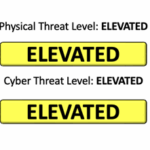
The FB-ISAO’s sponsor Gate 15 publishes a daily newsletter called the SUN. Curated from their open source intelligence collection process, the SUN informs leaders and analysts with the critical news of the day and provides a holistic look at the current global, all-hazards threat environment. Ahead of the daily news cycle, the SUN allows current situational awareness into the topics that will impact your organization.