
Faith-Based Daily Awareness Post 8 December 2025
Faith-Based Security Headlines
These updates are shared to help raise the situational awareness of Faith-Based organizations to best defend against and mitigate the impacts from all-hazards threats including physical security, cybersecurity, and natural disasters.
ICE director demands Mass. church remove ‘ICE was here’ nativity scene
Two churches, one in suburban Boston and another in Evanston, Illinois, recently replaced their traditional Nativity scenes with more provocative ones. At St. Susanna Parish in Massachusetts, the usual figures of Mary, Joesph, and the infant Jesus were removed and in their place a sign reading “ICE was here” was placed in the manger. Meanwhile at Lake Street Church of Evanston in Illinois, the Nativity featured a representation of baby Jesus with his hands zip-tied, wrapped in a blanket like those used in detention centers, with figures dressed as modern enforcement officers looming over Mary and Joseph who wore gas masks. In both cases, church leaders defended the displays as a form of religious art that attempts to re-imagine what the birth of the Holy Family might look like under current social conditions for refugees and immigrants.
Analyst Comments: This trend highlights a larger security issue for houses of worship: visible holiday symbols, even ones meant to be peaceful or artistic, can unintentionally attract tension. Nativity scenes are typically meant to inspire reflection, but due to current political polarization, they can be seen as statements rather than decorations. Even without a political message, traditional displays can become targets.
For faith organizations and property managers, the takeaway is less about the message and more about planning. Outdoor seasonal displays may require basic protective measures to reduce the risk of tampering. Having outdoor lighting, cameras, volunteer, patrols, or visibility from nearby buildings are ways to reduce the risk of tampering on outdoor displays.
It’s that time of the year: The holiday scams to avoid in 2025
This holiday season, scams are hitting harder than ever because criminals are now using AI to craft highly convincing tricks. Common scams include fake shopping sites pretending to sell discounted or hard-to-find items. Many of these are short-lived “flash-sale” storefronts: you click on a deal, pay, and either get nothing or hand your credit card information over to scammers. Other frequent scams involve fake delivery texts or emails, bogus charity donation appeals, and “too-good-to-be-true” offers that prey on holiday generosity. This year there is voice-cloning and AI-generated “emergency calls” where scammers impersonate someone you trust and claim you need money immediately.
Analyst Comments: To stay safe, using multi-factor authentication (MFA) on your accounts is important. Avoid following links in suspicious ads or emails instead, go directly to a retailer’s verified site and be skeptical of deals that seem too good to be true. Because this guidance is especially relevant during busy holiday seasons, faith leaders should not only practice it themselves but also share these reminders with their staff and congregations so the whole community stays alert.
More Faith-Based Stories
- Baton Rouge Bishop Suspends Mass Obligation Amid ICE Crackdown
- NY: Crews battle third-alarm fire in vacant church on Forbes St.
- IN: Evansville firefighters battle early morning church fire
- TX: As church security needs rise, Fort Worth Catholic ministry offers solution
- The Sexual Abuser of Little Girls in the Duluth Old Apostolic Lutheran Church Said There Could Be Hundreds of His Victims. The Pastor Didn’t Report Him to the Police.
- How Israel Consul General Coordinated Synagogue Event Attacked By Protesters
- F grades handed to 14 colleges in antisemitism ‘report card’ as Jewish students forced to hide identities
- Report: Many Black Jews Feel Marginalized in the Jewish Community Post-10/7
- Leader of schismatic Colorado Springs group disregards excommunication
- IL Pastor Sentenced for COVID-19 Relief Scam
- As Christians put more trust in AI, pastor warns of idolatry
- Nigerian Catholics Confirm Latest Priest Abduction in Wave of Anti-Christian Attacks
- Churches Vandalized in Sudan
- Manchester synagogue killer was driven by suspect to carry out ‘hostile reconnaissance’ on MoD college two months before deadly terror attack, court told
- Criminals Using Altered Proof-of-Life Media to Extort Victims in Virtual Kidnapping for Ransom Scams
- Donald Trump’s New Security Strategy Silent on Crypto — Why Is the Industry Worried?
- Securing America’s ports: Hidden maritime security threats from foreign-owned and operated technology
- How Can Retailers Cyber-Prepare for the Most Vulnerable Time of the Year?
- Here’s what the new National Security Strategy says about threats to critical infrastructure
- The State of the 2025 Cyber Workforce: Skills Gaps, AI Opportunity and Economic Strain
- The Longest Solar Eclipse for 100 Years Is Coming. Don’t Miss It
- NOAA Issues G3 (Strong) Geomagnetic Storm Watch for 09 Dec
More Security-Focused Content

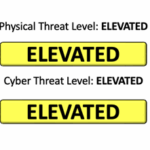
The FB-ISAO’s sponsor Gate 15 publishes a daily newsletter called the SUN. Curated from their open source intelligence collection process, the SUN informs leaders and analysts with the critical news of the day and provides a holistic look at the current global, all-hazards threat environment. Ahead of the daily news cycle, the SUN allows current situational awareness into the topics that will impact your organization.