
Faith-Based Daily Awareness Post 9 June 2026
Faith-Based Security Headlines
These updates are shared to help raise the situational awareness of Faith-Based organizations to best defend against and mitigate the impacts from all-hazards threats including physical security, cybersecurity, and natural disasters.
Canada: Montreal synagogue targeted by attempted arson attack
Two recent incidents in Canada highlight ongoing concerns about antisemitic threats and attacks targeting Jewish communities. In Montreal, a synagogue in the city of Westmount was the target of an attempted arson attack when a suspect allegedly tried to set fire to the building during the early morning hours. Police arrested a 38-year-old man shortly after the incident, and authorities launched an investigation into the attack. Fortunately, the synagogue was unoccupied at the time, and no injuries were reported.
Meanwhile, in Toronto, vandals targeted a synagogue on Bathurst Street just one day before a major Jewish parade. According to reports, the perpetrators damaged the exterior of the property overnight, noting that the synagogue’s presence was not obvious from the street, suggesting the location may have been deliberately selected.
Analyst Comments: These incidents reflect the heightened threat environment facing Jewish communities and institutions, particularly amid ongoing geopolitical tensions involving Israel, Iran, and the United States. Periods of conflict in the Middle East have historically been associated with increases in antisemitic rhetoric, threats, vandalism, and targeted attacks against Jewish houses of worship and community organizations, even in countries far removed from the conflict itself. While investigators have not publicly linked these specific incidents to international events, faith-based organizations should remain aware that global developments can influence domestic threat activity. Jewish institutions are encouraged to maintain vigilance, review security procedures, report suspicious activity, and coordinate with law enforcement and community security partners to help mitigate potential risks during periods of elevated tension.
CISA Highlights Vital Resources to Help Event Attendees Stay Safe
The article highlights resources from the U.S. Cybersecurity and Infrastructure Security Agency (CISA) designed to help attendees stay safe while attending public events and large gatherings. CISA released and promoted these resources in anticipation of the numerous high-profile events being hosted across the United States this summer, including Independence Day celebrations, large-scale concerts and festivals, major sporting events such as the 2025 FIFA Club World Cup, and other mass gatherings expected to attract significant crowds. The agency encourages individuals to remain aware of their surroundings, report suspicious activity, and familiarize themselves with emergency procedures before attending events.
CISA has provided guidance on physical security threats, including active shooter incidents, suspicious packages, and other public safety concerns. In addition to personal vigilance, the agency emphasizes preparedness through free tools, training materials, and security resources intended to help attendees, event organizers, businesses, schools, and houses of worship better prevent, respond to, and recover from potential security incidents.
Analyst Comments: As the United States prepares to host numerous large-scale public events this summer—including holiday celebrations, festivals, sporting events like the FIFA World Cup, concerts, and other mass gatherings—faith-based organizations should view CISA’s safety resources as both a preparedness tool and a congregational awareness resource. Houses of worship can use these materials to conduct preparedness activities ahead of time, such as reviewing emergency plans, training staff and volunteers, exercising communication procedures, and discussing how they would respond to potential safety or security incidents during large events. Organizations may also consider sharing relevant resources with congregants who plan to attend public gatherings, helping them better understand situational awareness, emergency response actions, and reporting procedures.
While the current domestic threat environment continues to present concerns ranging from targeted violence to opportunistic attacks at crowded venues, these resources remain broadly applicable and can help strengthen individual and community preparedness. By promoting a culture of readiness before incidents occur, faith-based organizations can support both the safety of their own communities and the resilience of the broader public.
School Safety Resources – June 2026.
A recording of the virtual training on Cybersecurity at K-12 Schools is now available on CISA’s YouTube channel at Strengthening K-12 Cybersecurity Virtual Training: Simple Steps for Safer Schools.
FB-ISAO members can find the document in the FB-ISAO Slack under #general
More Faith-Based Stories
- NJ: Passaic Man Charged with Attempting to Provide Material Support to ISIS
- Pentagon reworks ‘offensive’ policy affecting LDS after Mormon lawmakers loudly protest
- VA: Flint man charged with hate crime arson at Baptist church
- Fire heavily damages vacant church building in South Los Angeles
- CT: ‘Go back where you belong’: New Haven man slaps kippa off Jewish man’s head
- Nashville woman charged after alleged threat near church preschool
- Handala Claims It Disrupted Israeli Radar Systems: Here’s What We Actually Know
- S. Army Crew Safely Rescued After Helicopter Lost at Sea
- Hamas Terror Threat Remains High Across Europe as Authorities Arrest Operatives Plotting Attacks
- FBI Miami Announces World Cup Drone Flight Restriction Enforcement
- Threats Against Politicians Skyrocketed After Meta Changed Its Speech Rules
- White House Monitoring Ebola Outbreak Ahead of World Cup Preparations
More Security-Focused Content

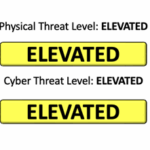
The FB-ISAO’s sponsor Gate 15 publishes a daily newsletter called the SUN. Curated from their open source intelligence collection process, the SUN informs leaders and analysts with the critical news of the day and provides a holistic look at the current global, all-hazards threat environment. Ahead of the daily news cycle, the SUN allows current situational awareness into the topics that will impact your organization.