
Faith-Based Daily Awareness Post 9 March 2026
Faith-Based Security Headlines
These updates are shared to help raise the situational awareness of Faith-Based organizations to best defend against and mitigate the impacts from all-hazards threats including physical security, cybersecurity, and natural disasters.
For US Muslims, immigration crackdown fears, new war worries and anti-Muslim rhetoric cloud Ramadan
An Associated Press report describes how many Muslims in the United States are observing Ramadan this year under heightened stress due to political and global tensions. Community members cite fears related to federal immigration crackdowns, including concerns about potential immigration enforcement actions near mosques or community gatherings, which have led some people to avoid traditional group prayers and iftar meals. At the same time, rising anti-Muslim rhetoric in U.S. politics and the escalation of conflict involving Iran have added emotional strain, particularly for families with relatives in the Middle East. Community organizations and mosques have responded by distributing “know your rights” guidance and offering support to help congregants navigate immigration concerns while maintaining the spiritual focus of Ramadan. Despite the anxiety and uncertainty, many Muslim leaders and residents emphasize resilience, noting that people are still gathering for prayer, charity, and mutual support while hoping for peace and stability.
Analyst Comments: Heightened anxiety and public attention around major religious observances can influence community behavior, including changes in attendance patterns at mosques and community events. Organizations responsible for safety planning should consider remaining aware that geopolitical tensions and domestic political discourse can have spillover effects on local communities, potentially increasing both perceived and real security concerns. Monitoring community sentiment and reinforcing protective measures around large religious gatherings can help maintain situational awareness and support community resilience during periods of elevated tension.
Church leaders’ safety advice for Middle East Latter-day Saints
Church leaders of The Church of Jesus Christ of Latter-day Saints are advising members, volunteers, and staff living across the Middle East to prioritize safety as regional attacks continue. Guidance varies depending on local conditions: some service volunteers have been relocated or returned home, while others and many members have been advised to shelter in place or make decisions based on guidance from local embassies and personal circumstances. Church leadership overseeing the Middle East/Africa North Area—covering 21 countries—has maintained daily communication with congregational leaders and is providing ongoing updates as the situation evolves. Students and staff at the BYU Jerusalem Center, for example, have remained in place due to the availability of protective infrastructure such as bomb shelters and advice from local authorities that staying put may be safer than evacuating. Church officials report no injuries among members or staff and emphasize that members are trying to live “with faith, not fear” while monitoring the security environment.
Analyst Comments: This situation illustrates how escalating regional conflict quickly affects expatriate communities, religious organizations, and international workers across the Middle East. Organizations with personnel, volunteers, or students in the region must often make rapid risk-management decisions balancing evacuation, shelter-in-place guidance, and reliance on embassy advisories. The broader takeaway is that geopolitical crises can create immediate operational and duty-of-care challenges for globally distributed organizations, including religious groups, universities, and multinational employers. Monitoring local security guidance, maintaining communication with personnel on the ground, and having flexible contingency plans remain critical for organizations operating in regions experiencing active conflict or missile threats.
The Gate 15 Special Edition: Iran, ISACs, & insomnia: What’s happening, and not happening, in information sharing
The Gate 15 special edition discusses how the Information Sharing and Analysis Center (ISAC) community is responding to the ongoing conflict involving Iran and what that situation reveals about the current state of information sharing across critical infrastructure sectors. In the discussion, leaders from several ISAC organizations including – Health-ISAC, E-ISAC, IT-ISAC, WaterISAC, and ONE-ISAC explain how their networks have increased coordination, situational awareness, and communication with members, government partners, and other sectors since the conflict escalated. They emphasize the value of trusted information-sharing channels that allow organizations to quickly exchange threat intelligence, assess risks to critical infrastructure, and support resilience during a rapidly evolving geopolitical crisis. At the same time, the conversation highlights gaps and challenges, including uneven information flow, uncertainty about what government agencies are seeing or prioritizing, and the ongoing need for clearer, faster, and more actionable information sharing between government and private-sector partners. Overall, the discussion underscores both the strength of the ISAC community’s collaborative approach and the continued need to improve coordination and transparency to better support organizations facing emerging security threats.
More Faith-Based Stories
- If Iran Activates Proxies Inside the U.S., Churches Could Be Targets
- Church Threat Alert: Scottsdale AZ
- AZ: ‘Hate has no place in our city,’ says Phoenix Mayor Gallego after vehicles were shot near mosque
- ID: Apparent break-in, spreading of ‘white substance’ at LDS meetinghouse in Utah prompts investigation
- KS: PHOTOS: Vehicle strikes church Friday night in Mulvane
- CA: Chaldean bishop arrested in San Diego on embezzlement and money laundering charges
- Iran/Israel:
- White House blocks intelligence report warning of rising US homeland terror threat linked to Iran war
- Iran war will bring wave of ‘low-level cyber activity,’ says intelligence group
- What security teams need to know about Iran’s cyber threat right now
- U.S. Forces Issue Safety Warning to Civilians in Iran
- Fact Sheet: President Donald J. Trump Combats Cybercrime, Fraud, and Predatory Schemes Against American Citizens
- Commitment to Countering Cartel Criminal Activity
- Tornadoes kill 6 people in Michigan and Oklahoma as powerful storms hit nation’s midsection
- Central US to face renewed threat for severe storms tornadoes
More Security-Focused Content

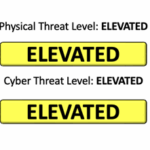
The FB-ISAO’s sponsor Gate 15 publishes a daily newsletter called the SUN. Curated from their open source intelligence collection process, the SUN informs leaders and analysts with the critical news of the day and provides a holistic look at the current global, all-hazards threat environment. Ahead of the daily news cycle, the SUN allows current situational awareness into the topics that will impact your organization.