
Faith-Based Daily Awareness Post 28 May 2026
Faith-Based Security Headlines
These updates are shared to help raise the situational awareness of Faith-Based organizations to best defend against and mitigate the impacts from all-hazards threats including physical security, cybersecurity, and natural disasters.
FBI PSA – Threat Actors Spoofing FIFA Websites in Advance of the 2026 World Cup
The FBI’s Internet Crime Complaint Center (IC3) issued a Public Service Announcement warning that cyber threat actors are creating spoofed websites impersonating the official FIFA website ahead of the 2026 FIFA World Cup. These fraudulent sites are designed to steal personally identifiable information, financial details, and payments by tricking users into believing they are purchasing legitimate World Cup tickets, hospitality packages, or applying for FIFA-related jobs. Threat actors are using typo-squatted domains and fake subdomains that closely resemble official FIFA web addresses to deceive victims. The FBI advised users to manually type “fifa.com” into their browsers, avoid sponsored search results, verify URLs carefully, and avoid sharing sensitive information on suspicious websites. The PSA also encouraged victims to report incidents to IC3 and provide details about fraudulent domains, financial transactions, and interactions with the fake sites.
Analyst Comments: This advisory highlights how easily cybercriminals can exploit trusted brands and organizations through spoofed websites and fraudulent payment portals. While the FBI warning focuses on fake FIFA-related websites, the same tactics can easily be adapted to target faith-based organizations and their congregants. Threat actors frequently create lookalike church websites, donation portals, livestream pages, or event registration links designed to redirect donations and payments to fraudulent accounts, especially during major natural disasters or tragedies. Congregants may also encounter phishing emails or social media posts impersonating church leadership, ministry programs, or charitable fundraising campaigns.
Faith-based organizations should consider encouraging members to verify website URLs carefully, avoid clicking unsolicited donation links, and rely on official communication channels when making contributions or registering for events. Organizations may also benefit from proactively monitoring for spoofed domains, reviewing domain registration variations of their organization’s name, and reminding congregants about common online fraud tactics during periods of increased fundraising or major events.
Nerd Out EP 70. San Diego, Lying in Wait, World Cup, and Movie/TV Reviews
The Gate 15 Nerd Out! Security Panel Discussion, moderated by Dave Pounder, focuses on physical security topics including terrorism, extremism, hostile events, and other pertinent topics.
- In this month’s Nerd Out Dave and Alec discuss
The San Diego Mosque attack. - Recent arrest indicating potential risk to the U.S.
- World Cup considerations.
- Mandalorian, Daredevil, and Punisher reviews (SPOILER WARNING)
Information on other Gate 15 podcasts can be found at Podcasts (gate15.global).
FB-ISAO Education Series | Building an Intelligence Team for your House of Worship
NEXT SESSION >> May 6, 2026, 12:00 PM ET: Expanding your horizon to consider additional atypical threats, man-made and natural disasters, to prepare for all-hazards.
Register here.
About the series. “Intelligence” often conjures images of secret agents working in the shadows to protect national security. Intelligence isn’t just for government agents, with a little guidance, anyone can do it! Intelligence involves a systematic process of collecting, analyzing, and using information to anticipate, detect, and prevent threats before they cause harm. This process helps decision makers weigh alternatives and make threat-informed, fact-based choices via enhanced situational awareness. By leveraging intelligence, houses of worship can enhance their overall safety and security, ensuring their spaces remain welcoming sanctuaries for worship yet prepared for potential incidents.
More Faith-Based Stories
- TN: Police look for armed man reported near Memphis mosque
- MO: Investigators say man upset over religious teachings accused of burglarizing and setting fire to a Springfield Catholic elementary school
- WA: Rock thrown through front door of Seattle Chabad
- Washington D.C.: Coming Together to Protect our Communities
- NJ: NJ Pastor and ‘Prophet’ Indicted on Sex Trafficking and Forced Labor Charges
- Iran War:
- Economic Fury Targets Iranian Maritime Extortion
- Iran’s hackers are coordinating more closely, Israel’s top cyber defense official says
- Iranian Cyber Operations Expand Multi-Tool Staging Infrastructure as Conflict Enters Fourth Month
- Iran war live: US and Iran exchange strikes as Hormuz deal hopes falter
- Tropical Depression JANGMI 2026
- Pentagon puts building blocks in place for Cuba invasion
More Security-Focused Content

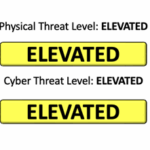
The FB-ISAO’s sponsor Gate 15 publishes a daily newsletter called the SUN. Curated from their open source intelligence collection process, the SUN informs leaders and analysts with the critical news of the day and provides a holistic look at the current global, all-hazards threat environment. Ahead of the daily news cycle, the SUN allows current situational awareness into the topics that will impact your organization.